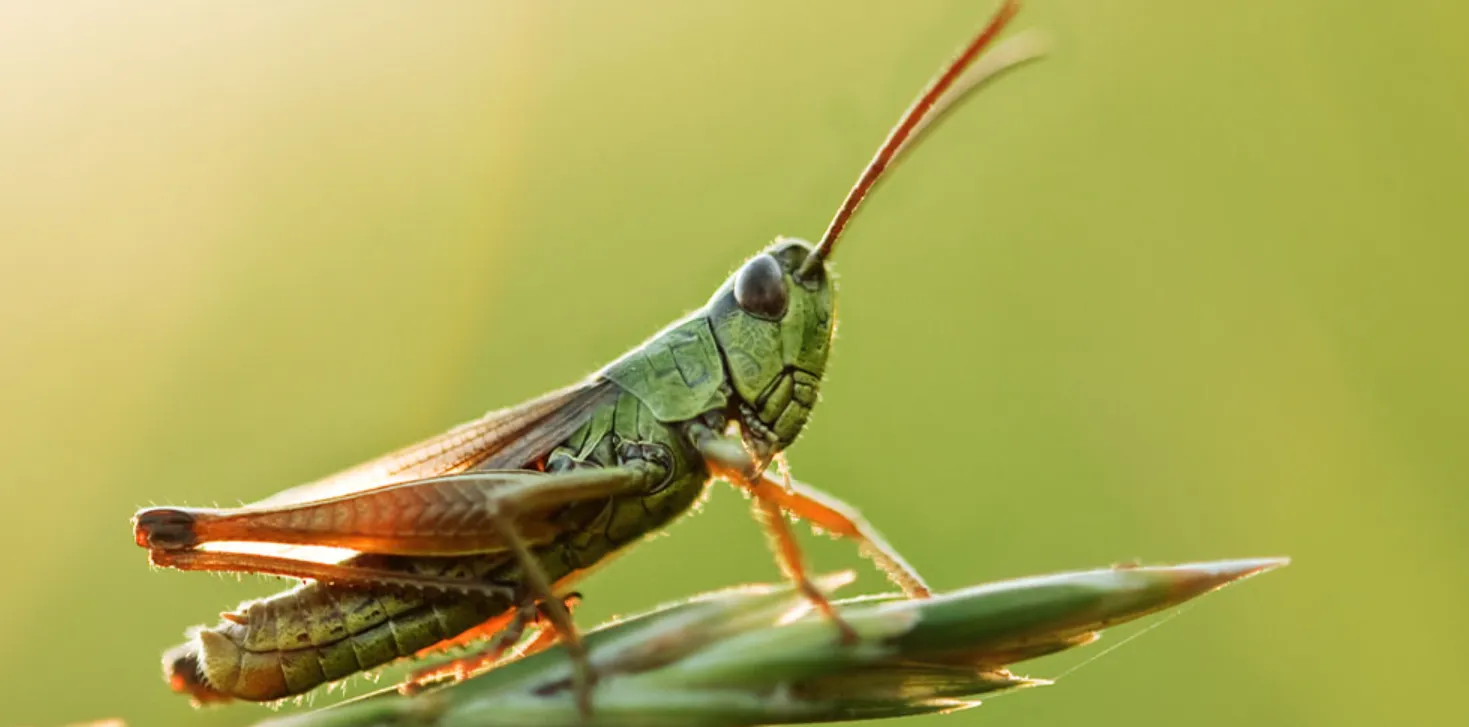
Grasshoppers are among the most fascinating insects found across the globe. Known for their powerful hind legs and remarkable jumping ability, these insects belong to the order Orthoptera. The life cycle of a grasshopper is a perfect example of gradual metamorphosis, making it an essential topic in biology, ecology, and environmental studies.
From tiny eggs hidden beneath the soil to fully developed adults capable of long-distance movement, grasshoppers undergo a transformation that is both simple and efficient. Unlike butterflies, they do not experience a pupal stage, yet their growth process is equally intriguing.
Grasshoppers are not just insects that hop around fields—they play a crucial role in maintaining ecological balance. They act as both herbivores and prey, influencing plant growth and supporting various food chains. Interestingly, the term “grasshopper” is often confused with “locust,” leading to comparisons such as locust vs. grasshopper that highlight behavioral and environmental differences.
In recent years (2026 data), scientists have observed changes in grasshopper populations due to climate change, agricultural practices, and habitat loss. These changes make understanding their life cycle even more important for conservation efforts.
This article explores everything you need to know—from their evolutionary origin to their reproductive habits, survival strategies, and ecological importance. Whether you are a student, researcher, or nature enthusiast, this comprehensive guide will give you deep insight into the life cycle of a grasshopper and its significance in our ecosystem.
Their Evolution And Their Origin
Grasshoppers have an ancient lineage that dates back over 250 million years, making them one of the oldest groups of insects still thriving today. Their evolutionary journey provides a glimpse into how insects adapt and survive across geological eras.
Early Origins
Grasshoppers evolved during the late Paleozoic era, a time when Earth’s ecosystems were undergoing dramatic changes. Fossil evidence suggests that early orthopterans were already well adapted to terrestrial life, with strong legs and chewing mouthparts.
Adaptation Over Time
Over millions of years, grasshoppers developed key features that enhanced their survival:
- Powerful hind legs for escaping predators
- Camouflage abilities to blend with vegetation
- Efficient digestive systems for consuming tough plant material
These adaptations allowed them to survive mass extinction events that wiped out many other species.
Diversification
Today, there are over 11,000 species of grasshoppers worldwide. This diversity is the result of:
- Geographic isolation
- Climate variations
- Evolutionary specialization
Different species have adapted to deserts, grasslands, forests, and even mountainous regions.
Relation to Other Species
Grasshoppers are closely related to crickets and katydids. However, they differ in behavior and habitat. The distinction between locusts and grasshoppers is particularly interesting—locusts are essentially grasshoppers that exhibit swarm behavior under certain conditions.
Modern Evolutionary Insights (2026)
Recent genomic studies have revealed that grasshoppers possess highly adaptable DNA sequences, allowing them to respond quickly to environmental changes. This adaptability explains their resilience despite climate shifts and human activity.
Their evolutionary success is a testament to their ability to balance simplicity and efficiency, making them one of nature’s most enduring insects.
The History of Their Scientific Naming
The scientific naming of grasshoppers has evolved significantly over time as taxonomy and biological classification systems improved.
Key Points in Scientific Naming
- Early Classification (18th Century)
- Grasshoppers were first scientifically classified by Carl Linnaeus. He grouped them under the genus Gryllus, which also included crickets.
- Development of Order Orthoptera
- Later, scientists separated grasshoppers into the order Orthoptera, distinguishing them based on their straight wings and jumping legs.
- Family Acrididae
- Most common grasshoppers belong to the family Acrididae, which includes short-horned grasshoppers.
- Species Identification
- Each grasshopper species is identified using a binomial naming system, such as Melanoplus differentialis.
- Modern Taxonomy (2026 Updates)
- With advancements in DNA sequencing, scientists now classify grasshoppers more accurately based on genetic relationships rather than just physical traits.
- Global Standardization
- Scientific naming follows international codes to ensure consistency across countries and research studies.
This historical evolution of naming systems has helped scientists better understand grasshopper diversity and their role in ecosystems.
Their life cycle and ability to survive in nature
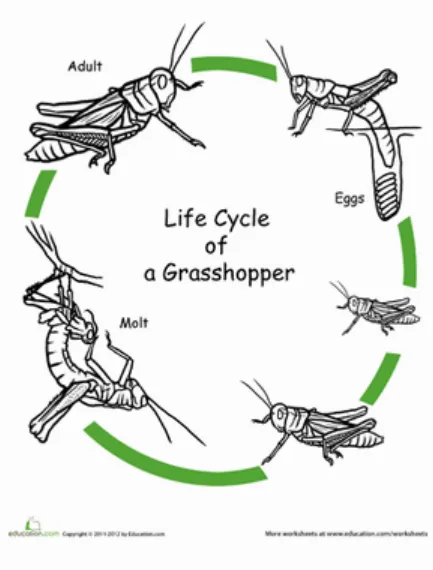
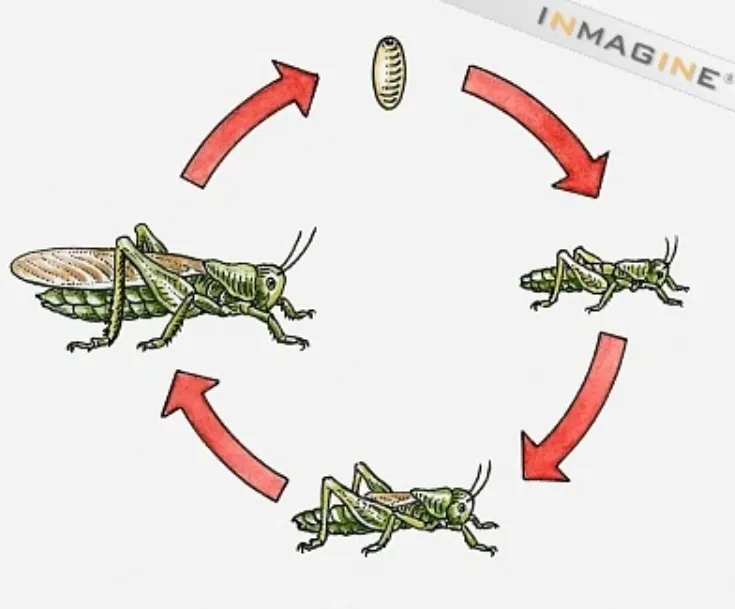
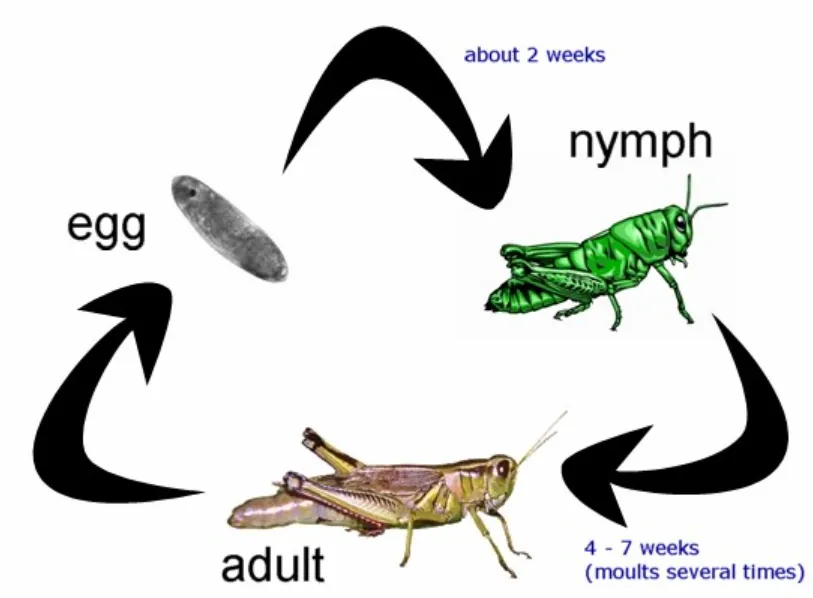
The life cycle of a grasshopper is a fascinating process known as incomplete metamorphosis. It consists of three main stages.
Stages of the Life Cycle
- Egg Stage
- Female grasshoppers lay eggs in the soil using a structure called an ovipositor. These eggs remain protected underground, often through winter.
- Nymph Stage
- When eggs hatch, they produce nymphs that resemble miniature adults but lack wings. Nymphs go through multiple molts as they grow.
- Adult Stage
- After several molts, the nymph becomes a fully developed adult with wings and reproductive capabilities.
Survival Strategies
- Camouflage
- Grasshoppers blend into their surroundings to avoid predators.
- Jumping Ability
- Their powerful legs allow them to escape threats quickly.
- Diet Flexibility
- They feed on a wide variety of plants, helping them survive in different environments.
- Temperature Adaptation
- Grasshoppers regulate their body temperature through basking and shade-seeking behavior.
- Seasonal Timing
- Their life cycle is synchronized with seasonal changes, ensuring optimal survival.
These strategies make grasshoppers highly resilient and adaptable.
Important Things That You Need To Know
Grasshoppers are often associated with various terms and concepts that extend beyond biology. Understanding these helps broaden your knowledge.
LSI Keywords Explained
- Grasshopper
- A herbivorous insect known for jumping and chirping sounds.
- Grasshopper drink
- A popular mint-flavored cocktail named after the insect due to its green color.
- Grasshopper pie
- A dessert inspired by the same mint flavor, often green in appearance.
- Lubber grasshopper
- A large, slow-moving species known for its bright colors and toxic defense.
- Grasshopper mouse
- A carnivorous rodent that feeds on insects, including grasshoppers.
- Locust vs grasshopper
- Locusts are grasshoppers that form swarms under certain conditions.
Why These Terms Matter
These related keywords highlight how grasshoppers influence not just ecosystems but also culture, food, and scientific discussions.
Understanding these connections improves both ecological awareness and SEO relevance for readers searching diverse topics.
Their Reproductive Process and raising their children
Grasshoppers have a unique and efficient reproductive system that ensures the survival of their species.
Reproductive Process
- Mating Behavior
- Male grasshoppers attract females through sound production, known as stridulation.
- Fertilization
- Fertilization occurs internally after mating.
- Egg Laying
- Females lay eggs in pods beneath the soil, protecting them from environmental threats.
Raising Their Young
- No Parental Care
- Grasshoppers do not provide direct care to their offspring.
- Egg Protection
- The egg pod structure acts as a natural shield.
- Self-Sufficiency of Nymphs
- Once hatched, nymphs are independent and begin feeding immediately.
- Rapid Growth
- Multiple molting stages allow quick development.
Despite the lack of parental care, grasshoppers ensure survival through high reproduction rates and protective egg-laying strategies.
The importance of them in the ecosystem
Grasshoppers play a vital role in maintaining ecological balance.
Key Ecological Roles
- Plant Regulation
- They control plant growth by feeding on vegetation.
- Food Source
- Grasshoppers are prey for birds, reptiles, and mammals.
- Nutrient Cycling
- Their feeding and waste contribute to soil fertility.
- Indicator Species
- Changes in grasshopper populations reflect environmental health.
- Pollination Support
- Some species assist in pollination while feeding.
Their presence ensures a balanced ecosystem, making them indispensable in nature.
What to do to protect them in nature and save the system for the future
Protecting grasshoppers is essential for ecological sustainability.
Steps to Protect Grasshoppers
- Preserve Natural Habitats
- Protect grasslands and forests where they thrive.
- Reduce Pesticide Use
- Excessive chemicals harm grasshopper populations.
- Promote Organic Farming
- Eco-friendly practices support biodiversity.
- Encourage Biodiversity
- Maintain a diverse array of plant species as food sources.
- Support Research and Conservation
- Invest in studies to understand population changes.
- Climate Action
- Reduce carbon emissions to protect ecosystems.
- Educate Communities
- Raise awareness about their ecological importance.
- Protect Soil Health
- Healthy soil ensures safe egg development.
These actions help sustain grasshopper populations and the ecosystems they support.
Frequently Asked Questions (FAQs)
1. What is the life cycle of a grasshopper?
It includes three stages: egg, nymph, and adult.
2. How long does a grasshopper live?
Most grasshoppers live for about one year.
3. What is the difference between a locust and a grasshopper?
Locusts are grasshoppers that form swarms under certain conditions.
4. Do grasshoppers undergo complete metamorphosis?
No, they undergo incomplete metamorphosis.
5. What do grasshoppers eat?
They primarily eat grasses and plants.
6. Are grasshoppers harmful to crops?
In large numbers, they can damage crops.
7. Where do grasshoppers lay eggs?
They lay eggs in the soil.
8. Why are grasshoppers important?
They support food chains and maintain ecological balance.
Conclusion
The life cycle of a grasshopper is a remarkable example of nature’s efficiency and adaptability. From eggs hidden beneath the soil to agile adults capable of escaping predators and reproducing rapidly, every stage of their life is designed for survival.
Grasshoppers have evolved over millions of years, adapting to changing environments while maintaining their essential role in ecosystems. Their ability to thrive in diverse habitats highlights their resilience, yet modern challenges such as climate change and habitat destruction threaten their populations.
Understanding their life cycle is not just about biology—it is about recognizing their importance in maintaining ecological balance. They regulate plant growth, serve as a vital food source, and contribute to nutrient cycling. Without them, ecosystems would face significant disruption.
Moreover, connections highlighted through related concepts such as grasshopper drink, grasshopper pie, and lubber grasshopper show how deeply these insects are embedded in both science and culture.
As we move forward into 2026 and beyond, protecting grasshoppers becomes a shared responsibility. By adopting sustainable practices, preserving habitats, and raising awareness, we can ensure that these incredible insects continue to thrive.
Also Read About: Silverfish-life-cycle/