The life cycle of a Salmon is one of nature’s most fascinating and scientifically studied journeys. Salmon are remarkable fish known for their incredible ability to migrate thousands of miles between freshwater and ocean environments. This unique behavior, called anadromy, allows them to hatch in rivers, grow in oceans, and return to their birthplace to reproduce.
In 2026, environmental researchers continue to highlight salmon as a key species for understanding ecosystem health and climate change. Their life cycle is not only biologically complex but also essential for maintaining biodiversity. Salmon play a vital role in both aquatic and terrestrial ecosystems, supporting everything from marine predators to forest growth.
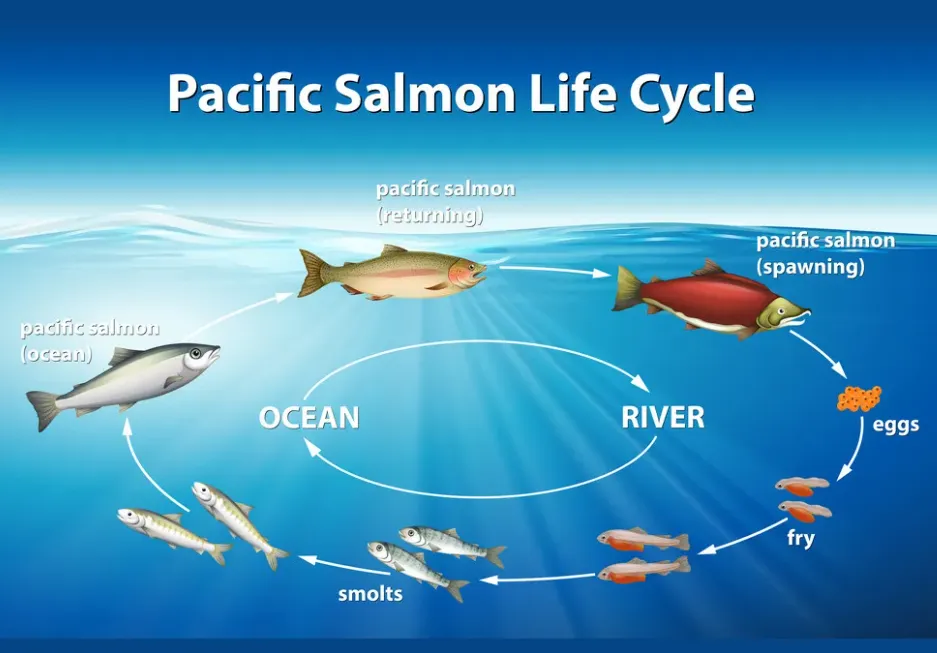
From tiny eggs hidden beneath river gravel to powerful adults navigating vast oceans, salmon undergo several transformative stages. Each phase—egg, alevin, fry, smolt, and adult—demonstrates its adaptability and resilience. However, their survival is increasingly challenged by pollution, overfishing, and climate change.
Beyond their ecological importance, salmon are also highly valued as a nutritious food source. Whether it’s salmon patties, grilled fillets, or learning how to bake salmon at the right temperature, this fish remains a staple in global cuisine.
Understanding the salmon’s life cycle is not just about biology—it’s about preserving a species that connects rivers, oceans, and entire ecosystems. In this article, we will explore their origin, evolution, scientific classification, survival strategies, and the crucial steps needed to protect them for future generations.
Their Evolution And Their Origin
Salmon belong to the family Salmonidae, which also includes trout and char. Their evolutionary history dates back millions of years, making them among the oldest fish species still thriving today.
Scientists believe that salmon first appeared during the Eocene Epoch, around 50 million years ago. Fossil records indicate that early salmon-like species lived in freshwater environments before gradually adapting to marine conditions. This evolutionary shift enabled them to exploit abundant ocean resources while still reproducing in freshwater.
Adaptation and Migration Evolution
One of the most significant evolutionary traits of salmon is their ability to migrate between freshwater and saltwater. This adaptation likely developed as a survival mechanism. By moving to the ocean, salmon could access more food, grow larger, and increase their chances of reproduction.
Over time, salmon evolved specialized physiological systems that allow them to adjust to different salinity levels. Their gills, kidneys, and hormonal systems work together to maintain internal balance as they transition between freshwater rivers and salty oceans.
Geographical Origin
Salmon are primarily found in the Northern Hemisphere, especially in:
- North America (Pacific Northwest and Alaska)
- Europe (Scandinavian regions)
- Asia (Russia and Japan)
Pacific salmon species such as Chinook, Sockeye, and Coho are especially well-known for their long migration routes. Atlantic salmon, on the other hand, are found in both Europe and North America but have faced significant population declines.
Natural Selection and Survival
Natural selection has shaped salmon into strong swimmers capable of navigating waterfalls, predators, and changing water temperatures. Their sense of smell is highly developed, allowing them to return to their exact birthplace—a phenomenon known as homing.
Modern research in 2026 shows that climate change is influencing salmon evolution. Warmer water temperatures are forcing some populations to adapt faster, while others struggle to survive.
The History of Their Scientific Naming
The scientific naming of salmon has evolved over centuries as scientists gained a deeper understanding of their biology and classification.
- Kingdom: Animalia – Salmon are multicellular organisms that belong to the animal kingdom.
- Phylum: Chordata – They possess a spinal cord, placing them among vertebrates.
- Class: Actinopterygii – This class includes ray-finned fishes, which make up the majority of fish species.
- Order: Salmoniformes – This order includes salmon and closely related species, such as trout.
- Family: Salmonidae – The family groups salmon with trout and char due to shared characteristics.
- Genus and Species:
- Salmo salar (Atlantic salmon)
- Oncorhynchus species (Pacific salmon, like Chinook, Coho, Sockeye)
The naming system follows binomial nomenclature, developed by Carl Linnaeus in the 18th century. This system provides a universal way to identify species across different languages and regions.
Scientific Discoveries Over Time
- Early scientists classified salmon based on physical features such as body shape and fin structure.
- Later research incorporated genetic studies, which refined classification and revealed evolutionary relationships.
- In 2026, DNA sequencing is widely used to track salmon populations and understand migration patterns.
Importance of Scientific Naming
- Helps researchers communicate clearly across the globe
- Assists in conservation efforts by identifying species at risk
- Supports fisheries management and sustainability
The history of salmon’s scientific naming reflects the growth of biological science itself, evolving from simple observation to advanced genetic analysis.
Their life cycle and ability to survive in nature
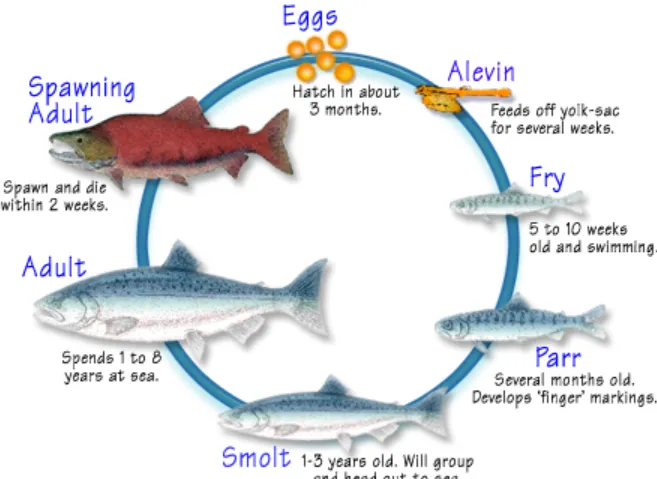
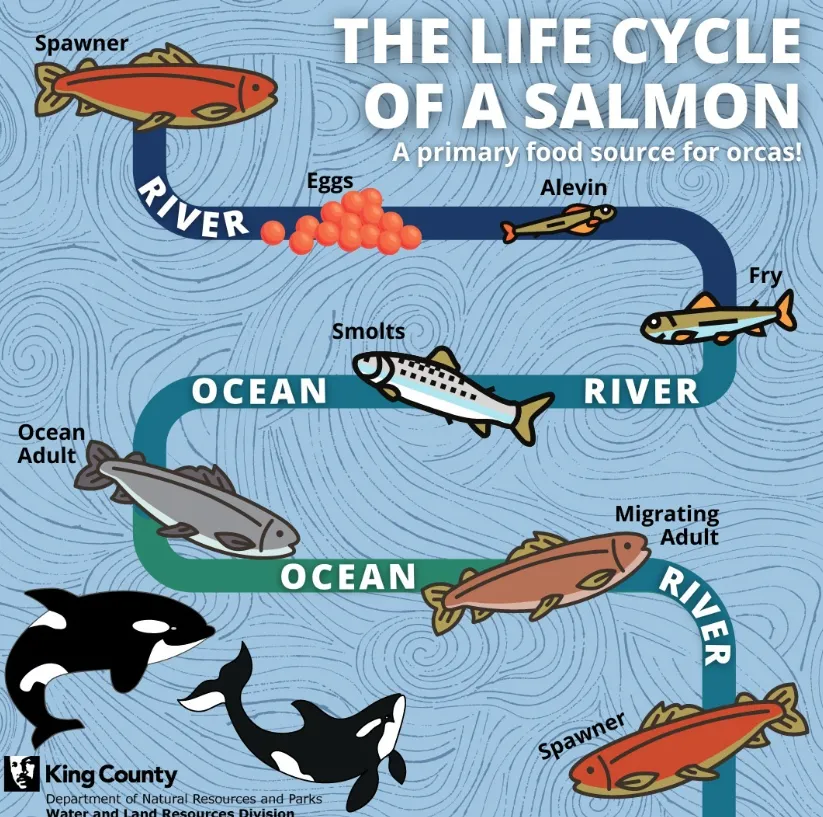
The life cycle of a salmon is divided into several stages, each requiring unique survival strategies.
Stages of the Life Cycle
- Egg Stage:
- Female salmon lay eggs in gravel nests called redds. These eggs are protected but vulnerable to environmental changes.
- Alevin Stage:
- Newly hatched salmon carry a yolk sac for nutrition and remain hidden in gravel.
- Fry Stage:
- Young salmon emerge and begin feeding on small organisms.
- Smolt Stage:
- They undergo physiological changes to prepare for life in saltwater.
- Adult Stage:
- Salmon migrate to the ocean, grow rapidly, and eventually return to freshwater to reproduce.
Survival Abilities
- Homing Instinct: Salmon use smell and Earth’s magnetic field to find their birthplace.
- Strong Swimming Ability: They can leap waterfalls and swim upstream against strong currents.
- Adaptive Physiology: Their bodies adjust to different salinity levels.
Challenges in Nature
- Predators such as bears, birds, and larger fish
- Habitat destruction and pollution
- Rising water temperatures due to climate change
Despite these challenges, salmon remain among the most resilient fish species, demonstrating extraordinary survival skills throughout their life cycle.
Their Reproductive Process and raising their children
Salmon reproduction is a critical phase that ensures the continuation of their species.
Reproductive Process
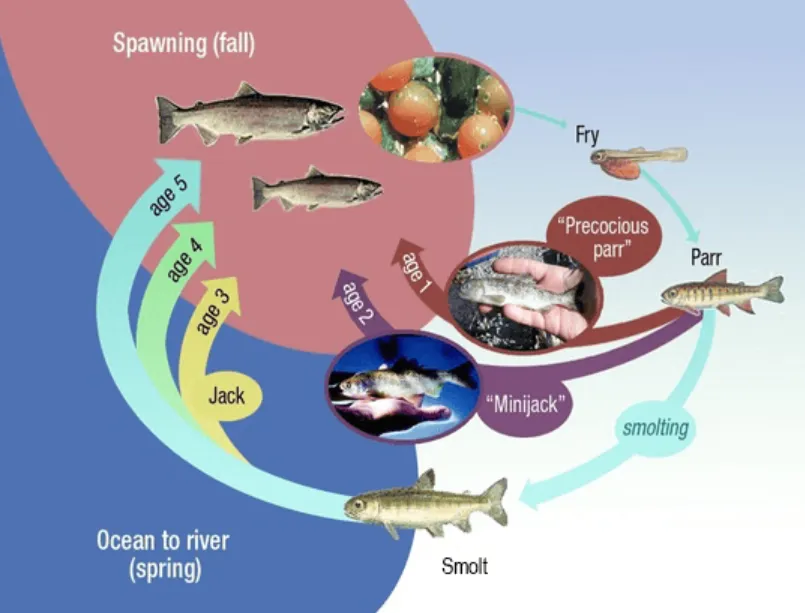
- Adult salmon return to their birthplace after years in the ocean
- Females create nests (redds) in riverbeds
- Males fertilize eggs externally
Raising Their Young
- Salmon do not provide parental care after laying eggs
- Eggs develop independently in gravel
- Survival depends on environmental conditions
Key Factors for Successful Reproduction
- Clean, oxygen-rich water
- Stable river flow
- Minimal human disturbance
Unique Behavior
- Many salmon species die after spawning, especially Pacific salmon
- This sacrifice provides nutrients to the ecosystem
Their reproductive strategy may seem harsh, but it is highly effective and has sustained salmon populations for millions of years.
The importance of them in the ecosystem
Salmon are considered a keystone species, meaning their presence significantly impacts the ecosystem.
Ecological Importance
- Nutrient Transfer: Salmon bring ocean nutrients into freshwater ecosystems
- Food Source: They feed bears, birds, and other animals
- Forest Growth: Decomposing salmon enriches the soil near rivers
Aquatic Ecosystem Benefits
- Support biodiversity
- Maintain balance in food chains
- Improve water quality indirectly
Human Importance
- Provide a major source of protein
- Support the fishing industries
- Contribute to cultural traditions
Modern Insights (2026)
Recent studies show that declining salmon populations can negatively impact entire ecosystems, highlighting the need for conservation.
Important Things That You Need To Know
Salmon are not just biologically fascinating—they are also a popular food choice worldwide. Understanding how to prepare and consume salmon properly adds another layer of appreciation for this fish.
Cooking and Nutritional Insights
- Salmon is rich in omega-3 fatty acids, which support heart and brain health.
- Many people enjoy making salmon patties, a simple and nutritious meal option.
Cooking Techniques
- Learning how to bake salmon correctly ensures better flavor and texture.
- One of the most common questions is how long to bake salmon—typically 12–15 minutes at 375°F (190°C), depending on thickness.
- Maintaining the right salmon temperature (internal temperature of 145°F or 63°C) ensures safety and optimal taste.
Why It Matters
Proper cooking preserves nutrients and enhances the natural flavor of salmon. With growing awareness of healthy eating in 2026, salmon remains a top choice for balanced diets.
What to do to protect them in nature and save the system for the future
Protecting salmon is essential for maintaining ecological balance.
Conservation Actions
- Reduce Water Pollution
- Prevent industrial waste and plastic from entering rivers
- Protect Natural Habitats
- Preserve rivers, streams, and spawning grounds
- Sustainable Fishing Practices
- Avoid overfishing and follow regulations
- Support Fish Passages
- Build fish ladders to help salmon bypass dams
- Climate Change Mitigation
- Reduce carbon emissions to maintain the water temperature
- Community Awareness
- Educate people about the importance of salmon
- Restore River Ecosystems
- Replant vegetation and stabilize riverbanks
These actions are crucial to ensuring salmon survival for future generations.
Frequently Asked Questions (FAQs)
- What is the life cycle of a salmon?
- It includes egg, alevin, fry, smolt, and adult stages.
- Why do salmon migrate?
- They migrate to feed in the ocean and reproduce in freshwater.
- How long do salmon live?
- Most salmon live between 2 and 7 years.
- Do all salmon die after spawning?
- Pacific salmon usually die, but some Atlantic salmon survive.
- What do salmon eat?
- They eat insects, plankton, and smaller fish.
- How do salmon find their birthplace?
- They use their sense of smell and Earth’s magnetic field.
- Why are salmon important?
- They support ecosystems and provide food for many species.
- How can we help protect salmon?
- By reducing pollution, supporting conservation, and sustainable fishing.
Conclusion
The life cycle of a salmon is a powerful example of nature’s complexity and resilience. From fragile eggs hidden in riverbeds to strong adults navigating vast oceans, salmon demonstrate extraordinary adaptability. Their journey is not only biologically fascinating but also deeply connected to the health of our planet.
In 2026, scientists and environmentalists continue to emphasize the importance of salmon in maintaining ecological balance. These fish act as a bridge between freshwater and marine ecosystems, transferring nutrients and supporting countless species. Their presence influences forests, wildlife, and even human communities that rely on them for food and economic stability.
However, salmon face growing threats. Climate change, pollution, habitat destruction, and overfishing are putting immense pressure on their populations. Without immediate and sustained conservation efforts, we risk losing not just a species but an entire ecological network.
Understanding their evolution, reproduction, and survival strategies helps us appreciate their value. It also reminds us of our responsibility to protect them. Simple actions such as reducing pollution, supporting sustainable fishing, and preserving natural habitats can make a significant difference.
Also Read About: Life Cycle of a Grasshopper