The silverfish life cycle is one of the most fascinating processes in the insect world. Silverfish are tiny, wingless insects known for their shiny, metallic appearance and fast, fish-like movements. These insects have lived on Earth for hundreds of millions of years and are considered among the most primitive insects still alive today.
Many people first notice silverfish in house environments such as bathrooms, basements, kitchens, or attics. Their presence often raises questions such as what silverfish are, whether they are bad, and how to get rid of them. While these insects may seem alarming, understanding their biology and life cycle can help people better manage them.
The silverfish bug thrives in warm, humid environments and feeds on carbohydrates like paper, glue, fabrics, and food crumbs. Because of their diet and behavior, they are often found in homes, libraries, and storage areas where these materials exist. Despite their unusual appearance, silverfish are not dangerous to humans.
Another common concern people have is whether silverfish bite or pose health risks. In reality, these insects rarely bite humans and generally avoid direct contact with people. However, unchecked population growth can damage books, clothing, and wallpaper.
Studying the silverfish life cycle also helps scientists understand insect evolution. Unlike many insects that undergo complete metamorphosis, silverfish grow gradually from young forms that look similar to adults. This unique development process gives researchers insight into ancient insect species and their survival strategies.
In this article, we will explore the origin, evolution, scientific classification, reproductive habits, and ecological importance of silverfish. By understanding these ancient insects, we can better appreciate their role in the Ecosystem and learn practical ways to coexist with them while protecting our homes.
Their Evolution And Their Origin
Silverfish belong to one of the oldest insect groups still alive today. Their evolutionary history stretches back more than 400 million years, making them older than dinosaurs and even older than many plant species that exist today.
Scientists classify silverfish in the order Zygentoma, which includes primitive wingless insects. These insects evolved long before flying insects appeared, which explains why silverfish never developed wings. Their body structure has remained mostly unchanged for millions of years.
Ancient Origins
The ancestors of modern silverfish existed during the Paleozoic Era, when the Earth’s ecosystems were still developing. Fossil evidence shows that early silverfish-like insects already had similar body shapes and survival behaviors.
Their survival across geological eras demonstrates their incredible adaptability. While many ancient insect groups went extinct, silverfish continued to evolve and adjust to new environments.
Adaptation Through Time
Silverfish survived drastic environmental changes, including ice ages, climate shifts, and ecosystem transformations. Their success comes from several key evolutionary traits:
- Simple body structure that requires little energy
- Flexible diet, allowing them to feed on many organic materials
- Fast movement that helps them escape predators
- Ability to live in small, hidden spaces
Because they do not rely on complex habitats, silverfish can survive in caves, forests, and even modern buildings.
Relationship With Human Environments
Over time, silverfish began living close to human settlements. As humans began storing food, paper, and fabrics, these materials became new food sources for silverfish.
Today, silverfish are commonly found in:
- Houses
- Libraries
- Museums
- Archives
- Storage facilities
Their evolutionary ability to adapt to indoor environments explains why many homeowners encounter them.
Why Silverfish Still Exist Today
Many ancient insects disappeared because they could not adapt to changing conditions. Silverfish, however, possess several advantages:
- High tolerance for environmental change
- Ability to live without food for weeks
- Strong hiding instincts
- Simple but effective reproductive strategies
Because of these features, silverfish remain one of the most successful primitive insects still living on Earth today.
The History of Their Scientific Naming
The scientific naming of silverfish has evolved as scientists improved their understanding of insect classification. Over time, taxonomists studied their anatomy and behavior to place them correctly in the insect family tree.
Here is a brief overview of the history behind their scientific naming:
- Early Classification
- Early naturalists grouped silverfish with other primitive insects because of their wingless bodies and simple development process.
- Order Thysanura (Historical Name)
- For many years, silverfish were placed in the order Thysanura, which included several primitive insect species.
- Modern Reclassification
- Later research separated these insects into a new order called Zygentoma, which is now the accepted scientific classification for silverfish.
- Family Lepismatidae
- Most household silverfish belong to the family Lepismatidae, which includes species adapted to indoor environments.
- Common Species Example
- The most well-known species is Lepisma saccharinum, commonly called the common silverfish.
Scientists continue studying silverfish genetics and anatomy to understand better how ancient insect species evolved. Their unique characteristics make them important for research in evolutionary biology.
Their life cycle and ability to survive in nature
The silverfish life cycle is unusual compared to many other insects. Unlike butterflies or beetles, which undergo complete metamorphosis, silverfish grow gradually through an incomplete metamorphosis.
Here are the main stages of their life cycle:
- Egg Stage
- Female silverfish lay small oval eggs in hidden cracks and crevices.
- Eggs usually hatch within two to eight weeks, depending on temperature and humidity.
- Nymph Stage
- Newly hatched silverfish are called baby silverfish or nymphs.
- They look almost identical to adult silverfish but are smaller and lighter in color.
- Growth Through Molting
- Nymphs grow by shedding their outer skin in a process called molting.
- Unlike most insects, silverfish continue molting even after reaching adulthood.
- Adult Stage
- Adult silverfish develop their shiny metallic scales and reach full size after several molts.
Survival Abilities
Silverfish possess remarkable survival skills that allow them to thrive in different environments.
- They can survive weeks without food
- They prefer dark and humid environments
- They hide in cracks, under furniture, and inside walls
- They are active mostly at night
Because of these abilities, silverfish can survive in homes, basements, bathrooms, and storage areas for long periods without being noticed.
Important Things That You Need To Know
Silverfish are often misunderstood insects. Many people see them briefly and assume they are dangerous pests, but most of the time, they exist quietly in hidden corners of the home.
Understanding their habits can help answer common questions, such as what silverfish are, whether silverfish bite, and what silverfish eat.
What Are Silverfish?
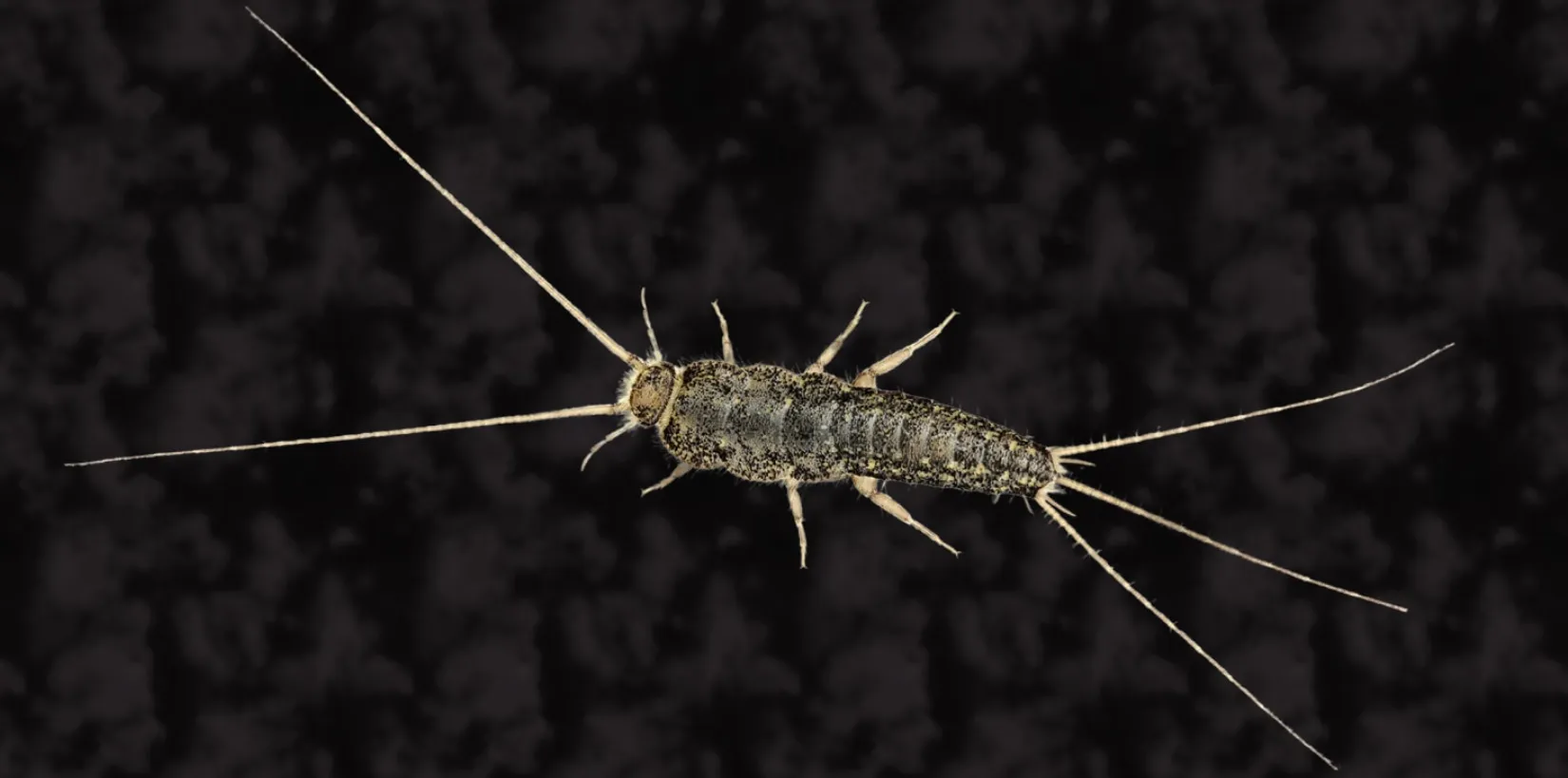
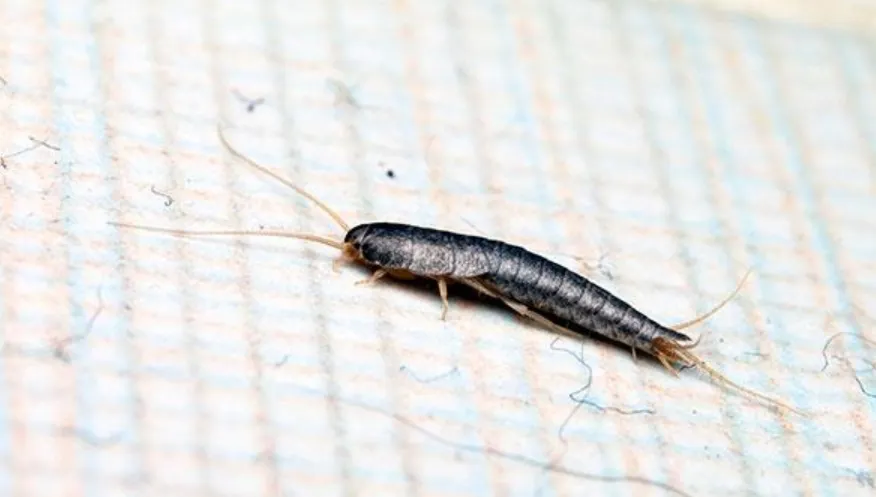
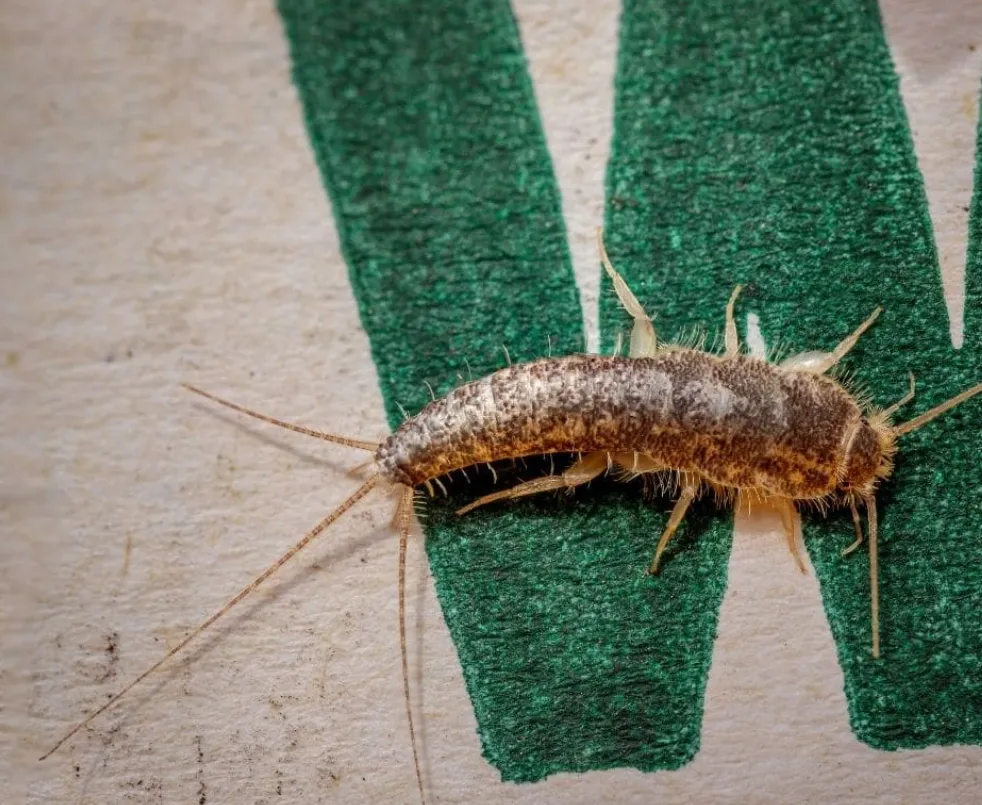
Silverfish are small, wingless insects with a flattened body covered in shiny gray scales. Their fish-like movements give them their name.
They usually grow between 12 and 20 mm long and have three long tail-like appendages at the back of their body.
What Do Silverfish Eat?
The diet of silverfish mainly consists of carbohydrates and organic materials. Common food sources include:
- Paper and books
- Glue and adhesives
- Wallpaper paste
- Fabric and clothing
- Food crumbs and grains
This feeding behavior explains why silverfish often appear in homes with stored books or old documents.
Do Silverfish Bite?
Many people worry about silverfish bites, but the truth is that silverfish rarely bite humans. Their mouthparts are designed for scraping materials rather than biting skin.
So, do silverfish bite? The answer is almost always no.
Are Silverfish Bad?
People often ask whether silverfish are bad. While they are not harmful to humans, large populations can damage household items such as books, paper, and clothing.
If their numbers increase, homeowners may start searching for how to get rid of silverfish.
Understanding these facts helps people manage silverfish calmly rather than react with unnecessary fear.
Their Reproductive Process and raising their children
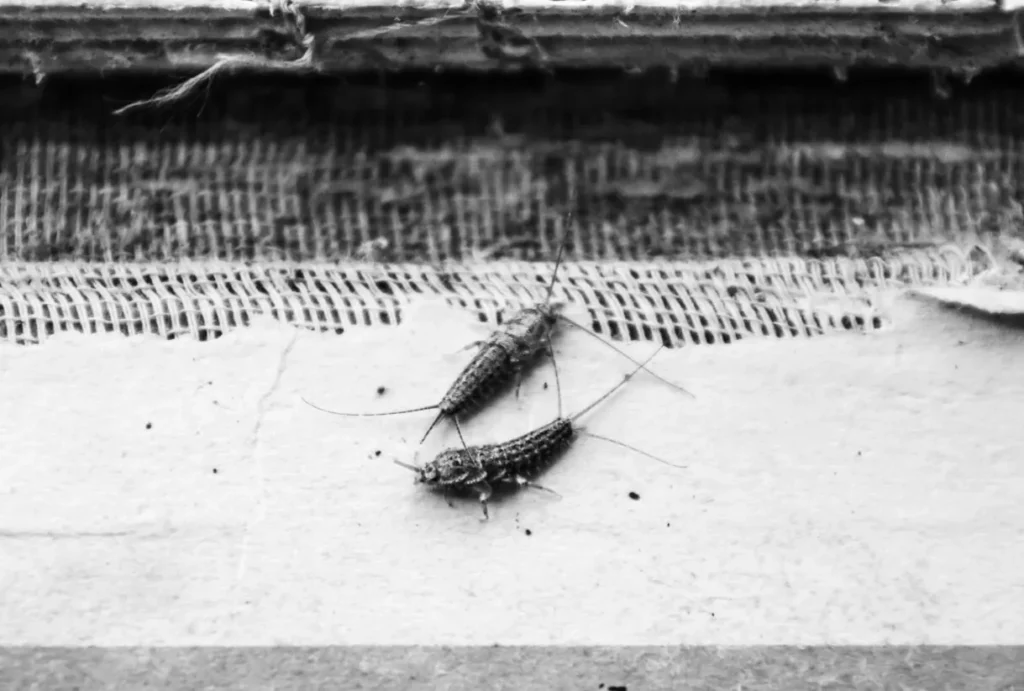
Silverfish reproduction is unique among insects. Their mating process does not involve direct copulation like most insect species.
Instead, silverfish use an indirect fertilization method.
Courtship Behavior
Male silverfish perform a special courtship dance to attract females. This behavior includes:
- Rapid body movements
- Antenna tapping
- Guiding the female toward a sperm packet
Spermatophore Transfer
The male silverfish deposits a spermatophore, which is a small packet containing sperm, on the ground. The female then picks it up to fertilize her eggs.
Egg Laying
After fertilization, the female lays eggs in protected areas such as:
- Cracks in walls
- Under floorboards
- Inside books or papers
- Behind furniture
A female silverfish may lay 20 to 100 eggs during her lifetime.
Growth of Young Silverfish
The young silverfish hatch as miniature versions of adults. These baby silverfish immediately begin searching for food and shelter.
Parents do not provide direct care for their offspring. However, by placing eggs in safe environments, females improve the survival chances of their young.
The importance of them in the Ecosystem
Although many people consider silverfish household pests, they actually play a meaningful role in natural ecosystems.
Here are some of their ecological benefits:
- Decomposition of Organic Matter
- Silverfish feed on dead plant material, paper, and other organic debris.
- This helps break down materials and recycle nutrients in the environment.
- Food Source for Predators
- Many animals feed on silverfish, including spiders, centipedes, and some small reptiles.
- Natural Cleaning Agents
- In nature, silverfish help remove decaying materials that could otherwise accumulate.
- Indicator of Environmental Conditions
- Their presence often indicates humid environments rich in organic material.
- Contribution to Scientific Research
- Because they are ancient insects, scientists study silverfish to understand early insect evolution.
Despite their reputation as pests, silverfish are still valuable members of the ecological community.
What to do to protect them in nature and save the system for the future
Although silverfish sometimes cause household problems, they are still part of the natural Ecosystem. Protecting biodiversity requires respecting even the smallest and most misunderstood creatures.
Here are ways we can maintain ecological balance:
- Preserve Natural Habitats
- Protect forests, soil ecosystems, and natural habitats where insects live.
- Reduce Harmful Pesticide Use
- Overusing pesticides can harm beneficial insects and disrupt ecosystems.
- Promote Sustainable Living
- Sustainable building materials and waste management help maintain ecological balance.
- Encourage Scientific Research
- Studying insects like silverfish helps scientists understand ancient evolutionary processes.
- Educate Communities About Insects
- Teaching people about insect biodiversity reduces unnecessary fear and extermination.
- Maintain Healthy Ecosystems
- Balanced ecosystems support both predators and prey, including insects like silverfish.
- Practice Responsible Pest Management
- Instead of eliminating all insects, focus on controlling populations responsibly.
By understanding the role of silverfish, we can maintain both human comfort and environmental balance.
Frequently Asked Questions (FAQs)
1. What is the silverfish life cycle?
The silverfish life cycle includes three main stages: egg, nymph, and adult. Unlike many insects, they grow gradually through molting rather than through complete metamorphosis.
2. How long do silverfish live?
Silverfish can live between 2 and 8 years, which is relatively long compared to many insects.
3. Do silverfish bite humans?
No. Silverfish bite incidents are extremely rare, and they usually avoid contact with humans.
4. What do silverfish eat?
Silverfish eat carbohydrates, including paper, glue, fabrics, and food crumbs.
5. Are silverfish dangerous?
Silverfish are not dangerous to humans. However, they can damage books, wallpaper, and clothing.
6. Why do silverfish appear in houses?
They prefer warm and humid environments, which is why they often appear in bathrooms, basements, and kitchens.
7. How to get rid of silverfish?
Reducing humidity, sealing cracks, keeping areas clean, and using traps can help control silverfish populations.
8. What do baby silverfish look like?
Baby silverfish look similar to adults but are smaller and lighter in color.
Conclusion
The silverfish life cycle reveals a fascinating story about one of the oldest surviving insect species on Earth. These small, metallic insects have existed for hundreds of millions of years, adapting to dramatic environmental changes and evolving alongside countless other life forms.
Unlike many insects that undergo complete metamorphosis, silverfish develop gradually through stages that resemble miniature versions of the adult form. This primitive development pattern provides scientists with valuable insight into early insect evolution.
Silverfish often appear in human homes, which leads many people to view them as pests. However, they are generally harmless to humans. They rarely bite, do not spread disease, and usually prefer to stay hidden in dark environments. The main concern with silverfish is their tendency to feed on materials like paper, fabric, and adhesives.
Beyond household environments, silverfish also play a role in natural ecosystems. They help break down organic materials and serve as food for other animals, such as spiders and small predators. These ecological functions demonstrate that even small insects contribute to environmental balance.
Understanding silverfish helps people respond to them more effectively. Instead of reacting with fear, homeowners can manage humidity, clean storage areas, and reduce hiding spots to keep populations under control.
Ultimately, silverfish are living reminders of Earth’s ancient history. Their survival over millions of years highlights the resilience of simple life forms and the importance of maintaining biodiversity. By learning about creatures like silverfish, we gain a deeper appreciation for the complex and interconnected systems that support life on our planet.
Also Read About: Praying Mantis Life Cycle