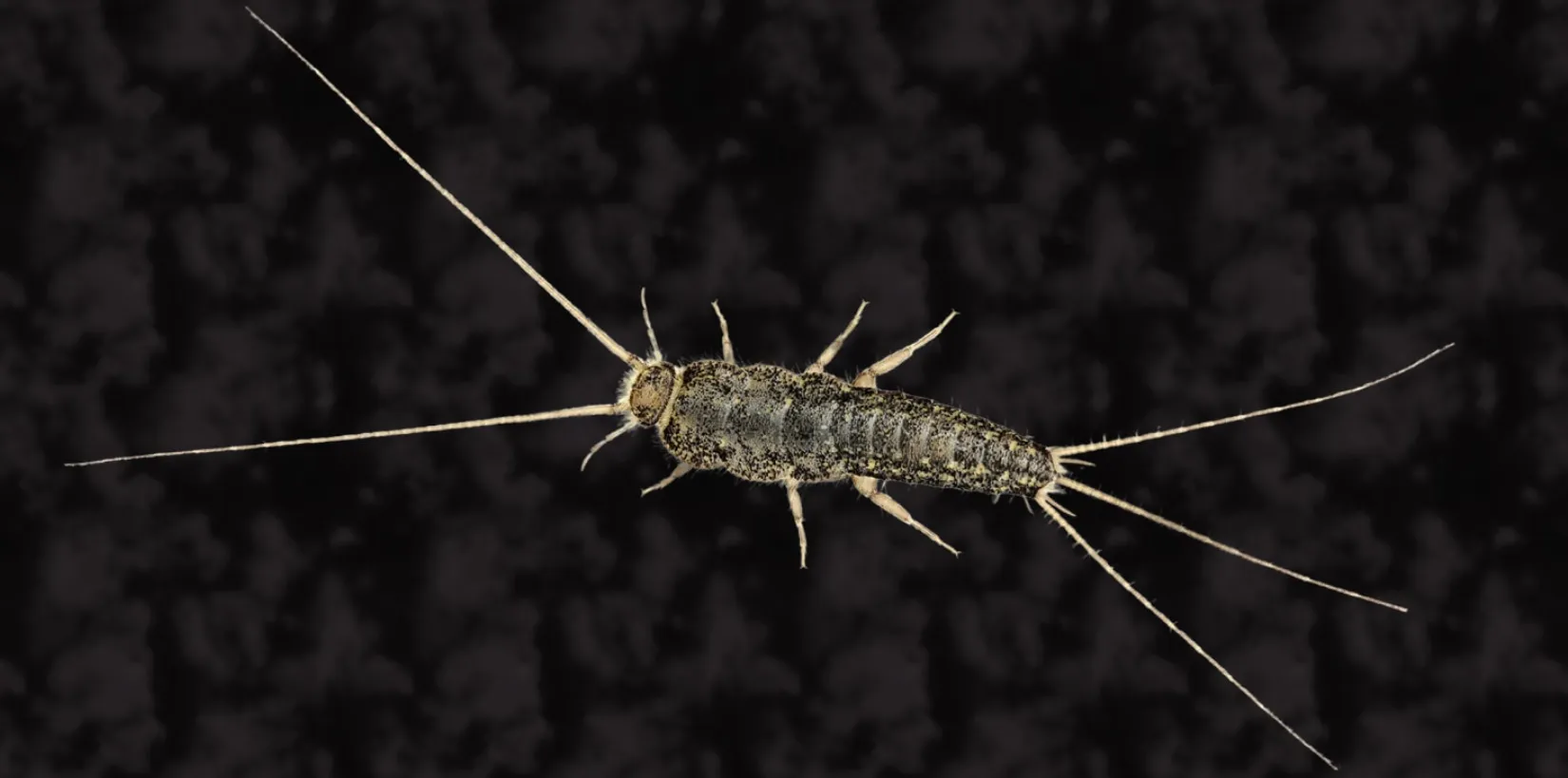
The thrips life cycle is fast, hidden, and closely connected to plant health. Thrips are tiny, slender insects that feed on plant tissues by scraping and sucking out cell contents. Because many species are only about 1–2 mm long, they are often noticed only after thrips damage appears on leaves, flowers, fruits, or young shoots.
Most plant-feeding thrips pass through egg, larval, prepupal, pupal, and adult stages. The first two larval stages actively feed, while the prepupal and pupal stages usually feed little or not at all. -In warm weather, the life cycle can move quickly, allowing several generations in one growing season.
Gardeners often find thrips on plants inside curled leaves, flower buds, leaf undersides, or tender new growth. Their damage may look like silver streaks, black specks, distorted leaves, scarring, or poor flower quality. Some species can also spread plant viruses, making early detection important.
Quick Answers: Most Common Questions
Q: What are thrips?
A: Thrips are tiny insects that feed on plants, fungi, pollen, or other small insects, depending on the species.
Q: How long is the thrips life cycle?
A: It can take around 12 days in hot weather and more than 40 days in cooler conditions, depending on species and temperature.
Q: How to get rid of thrips naturally?
A: Inspect plants often, rinse leaves, prune damaged parts, use sticky traps, encourage natural predators, and apply insecticidal soap or neem oil carefully.
Quick Life Cycle Table
| Stage | What Happens | Feeding? | Common Location |
| Egg | Females lay tiny eggs in or on plant tissue | No | Leaves, buds, stems |
| Larva 1 | Young thrips hatch and begin feeding | Yes | Leaf underside, flowers |
| Larva 2 | Heavier feeding and visible damage | Yes | New growth, buds |
| Prepupa | Resting transition stage | Usually no | Soil, litter, hidden plant parts |
| Pupa | Body changes toward adult form | No | Soil or protected areas |
| Adult | Winged or wingless adult reproduces and feeds | Yes | Flowers, leaves, shoots |
Important Things That You Need To Know
Many people search for thrips bugs only after seeing plant damage. The important point is that thrips are not just one insect. There are thousands of species, and not all behave the same way. Some are serious crop pests, some feed on fungi, and some are beneficial predators.
The most common issue for gardeners is thrips damage. Leaves may look silvery, bronze, scarred, curled, or dotted with tiny black waste spots. Flowers may become streaked, brown-edged, or deformed. On vegetables and fruits, feeding scars can reduce market quality.
People also ask about thrips on skin. Thrips may land on people and sometimes cause mild irritation, especially when outdoor populations are high. However, they do not live on human skin like lice or mites. Their main concern is plant damage, not human infestation.
If you notice thrips on plants, do not wait until the whole plant looks weak. Check flowers, new leaves, and leaf undersides with a white paper tap test. Early control is much easier than fighting a large population.
To get rid of thrips, the best approach is integrated pest management: remove heavily damaged parts, reduce weeds, isolate infested indoor plants, use sticky traps, protect beneficial insects, and apply low-impact treatments only when needed.

The History Of Their Scientific Naming, Evolution, and Origin
Scientific Naming
Thrips belong to the insect order Thysanoptera. The name comes from Greek roots meaning “fringe wings,” which describes the narrow wings edged with fine hairs. This wing structure is one of their most recognizable scientific features.
Classification
Most pest species are placed in families such as Thripidae and Phlaeothripidae. Correct species identification usually requires magnification because thrips are extremely small and many species look similar to the naked eye.
Evolutionary Background
Thrips are ancient insects with a long evolutionary history. Fossil evidence shows that thrips-like insects existed millions of years ago. Their small body size, hidden feeding behavior, and flexible diet helped them survive in many habitats.
Origin And Spread
Thrips likely originated alongside plant-rich ecosystems and later spread widely through natural movement, wind, trade, greenhouse production, and the transport of plants. Today, they are found in farms, gardens, forests, greenhouses, orchards, and indoor plant collections worldwide.
Their Reproductive Process, Giving Birth, And Rising Their Children
Egg Laying
Female thrips usually lay eggs inside soft plant tissue or on protected plant surfaces. Many species insert eggs into leaves, stems, flower parts, or buds, which protects the eggs from weather and predators.
Fast Reproduction
Thrips reproduce quickly in warm conditions. A single female may lay many eggs during her adult life, depending on species, temperature, food quality, and plant condition. This is why a small infestation can quickly become serious.
Sexual And Asexual Reproduction
Some thrips reproduce sexually, while others reproduce asexually. In several species, unfertilized eggs may develop into males, while fertilized eggs become females. Some populations can also produce females without fertilization.
No True Parenting In Most Species
Most plant-feeding thrips do not care for their young after laying eggs. The larvae hatch and immediately begin feeding on nearby plant tissue. However, a few species show limited protective behavior around eggs.
Population Growth
Thrips do not “raise” their young like birds or mammals. Their survival depends on hidden eggs, rapid development, suitable host plants, warm weather, and repeated generations. This reproductive speed is the main reason thrips are difficult to manage once established.
Stages of the Thrips Life Cycle
Egg Stage
The thrips life cycle begins with a tiny egg. Eggs are often hidden inside plant tissue, making them difficult to see and hard to remove with surface sprays. This hidden egg stage helps thrips survive many control attempts.
Larval Stage
After hatching, larvae pass through two active feeding stages. These young thrips are usually pale, soft-bodied, and wingless. They feed heavily on leaves, flowers, and tender shoots, causing visible thrips damage such as silver patches, speckling, and distorted growth.
Prepupal And Pupal Stage
After feeding, larvae move into resting stages called prepupa and pupa. These stages are often found in soil, leaf litter, or protected plant areas. They usually do not feed, but major body changes happen during this period.
Adult Stage
Adults emerge ready to feed, move, and reproduce. Some adults have wings and can spread to nearby plants or fields. Adults may live for several weeks, and females can lay many eggs, restarting the cycle rapidly under favorable conditions.
Their Main Diet, Food Sources, And Collection Process Explained
Thrips have different diets depending on species. Many common pest species feed on plant tissues, while others feed on pollen, fungal spores, or tiny insects. This variety makes them adaptable and difficult to manage in gardens and farms.
Plant-feeding thrips use rasping-sucking mouthparts. They scrape the plant surface and suck out the contents of damaged cells. This feeding process removes chlorophyll, creating silvery or pale marks on leaves.
Their main food sources include:
- Tender new leaves
- Flower petals
- Buds and blossoms
- Young fruits
- Pollen
- Soft stems
- Fungal material
- Small arthropods in predatory species
Thrips prefer protected feeding sites. That is why they are often found inside flower buds, curled leaves, leaf folds, and tight growing points.
Their food collection process is simple but damaging. They pierce and scrape plant cells, then drink the liquid contents. When many thrips feed together, the plant surface becomes scarred, dry, distorted, or discolored.
This feeding method explains why thrips on plants can be hard to control. Even after adults are removed, eggs and larvae hidden in plant tissue may continue the infestation.

How Long Does A Thrips Live
The lifespan of thrips depends strongly on species, temperature, food supply, humidity, and host plant quality. Warm, dry conditions often speed up development and support rapid population growth.
- The full thrips life cycle may be completed in about 12 days in hot weather.
- In cooler conditions, development may slow to more than 40 days.
- Some species complete egg-to-adult development in 2–4 weeks under moderate conditions.
- Adult thrips often live for several weeks.
- Some adults may live for one month or longer when food and shelter are available.
- Females usually live long enough to lay many eggs, allowing rapid population growth.
- Indoor plants and greenhouses can support continuous reproduction if temperatures remain stable.
- Outdoor thrips may survive winter as adults, eggs, or resting immature stages, depending on species and climate.
- Dry weather can increase thrips problems because plants become stressed, and natural fungal diseases of insects may be less active.
- Heavy rain or overhead washing can reduce some exposed thrips, but hidden stages often survive.
- The shortest lifespan occurs when food is poor, temperatures are extreme, or predators are active.
- The longest survival usually occurs in protected spaces such as greenhouses, dense plant growth, leaf litter, or sheltered flowers.
For gardeners, the key point is simple: thrips do not need a long life to become a problem. Their quick development and repeated generations make them dangerous to plants, even when individual insects are tiny and short-lived.
Thrips Lifespan in the Wild vs. in Captivity
Lifespan In The Wild
In the wild, thrips face many risks. Predators, rain, wind, plant defenses, temperature changes, and food shortages can shorten their lifespan. However, natural habitats also provide many host plants and hiding places.
Lifespan of Garden Plants
On garden plants, thrips may survive well when the weather is warm and dry. If flowers, tender shoots, and weeds are available, populations may build quickly. Outdoor infestations often rise during favorable seasons and decline when conditions become harsh.
Lifespan In Greenhouses Or Indoor Plants
In captivity-like conditions such as greenhouses and indoor plant rooms, thrips may live and reproduce longer. Stable temperature, protected plants, and fewer natural predators can allow continuous generations.
Why Indoor Infestations Persist
Indoor thrips problems often persist because eggs are hidden within plant tissue, and pupal stages may hide in soil or plant debris. Even after spraying, new adults may emerge later, so repeated monitoring is necessary.
Importance of Thrips In This Ecosystem
Part Of The Food Web
Although many gardeners dislike them, thrips are part of natural food webs. Predatory mites, lacewings, minute pirate bugs, spiders, lady beetles, and other beneficial insects eat them.
Pollination Role
Some flower-feeding thrips can help move pollen. In certain plant systems, thrips may contribute to pollination, especially where they frequently visit flowers.
Decomposition And Fungal Feeding
Some thrips feed on fungi and decaying plant material. These species help connect fungal growth, plant debris, and small insect food chains.
Natural Balance
Thrips become a serious issue when the natural balance is disrupted. Overuse of broad pesticides can kill their predators, allowing pest thrips to multiply quickly.
Agricultural Importance
From an agricultural view, thrips are important because they affect crop quality, plant growth, and disease spread. Understanding their ecological role helps farmers manage them without damaging beneficial insects.
What To Do To Protect Them In Nature And Save The System For The Future
Protect Beneficial Species
- Not all thrips are harmful. Some are predators or part of natural ecosystems. Avoid killing every tiny insect without proper identification.
Reduce Harsh Chemical Use
- Use pesticides only when needed. Broad-spectrum sprays can harm beneficial insects and worsen pest outbreaks.
Grow Diverse Plants
- Mixed plantings support natural predators. Flowers, ground covers, and healthy habitats can help balance pest populations.
Keep Soil And Plant Debris Balanced
- Remove heavily infested debris, but keep healthy organic matter where appropriate. This supports soil life and natural insect diversity.
Use Integrated Pest Management
- Monitor first, identify correctly, use physical controls, encourage predators, and apply selective treatments only when necessary.

Fun & Interesting Facts About Thrips
- Thrips are sometimes called “thunderflies” in some regions because they may appear in large numbers during warm, stormy weather.
- Their wings are narrow and fringed with hairs, unlike those of many other insects.
- Some thrips are strong plant pests, while others are helpful predators.
- They are so small that many people notice the damage before seeing the insect.
- Thrips bugs can hide inside flower buds, making them difficult to reach.
- Some species can reproduce without mating, which helps populations grow quickly.
- Thrips may be carried by wind from one area to another.
- Their feeding can create silvery leaf scars that appear to be caused by disease or nutrient deficiencies.
- Some species can transmit serious plant viruses.
- A white paper tap test is one of the easiest ways to detect them on plants.
Frequently Asked Questions (FAQs)
Q: What are thrips?
A: Thrips are tiny insects from the order Thysanoptera. Many species feed on plants, while others feed on fungi or small insects.
Q: What does thrips damage look like?
A: Thrips damage often appears as silver streaks, pale patches, black specks, curled leaves, scarred flowers, or distorted new growth.
Q: Are thrips on skin dangerous?
A: Thrips on skin may cause mild irritation, but they do not live on humans. They are mainly plant pests.
Q: How to get rid of thrips on plants?
A: Remove damaged plant parts, rinse leaves, isolate infested plants, use sticky traps, encourage predators, and apply insecticidal soap or neem oil when needed.
Q: How fast is the thrips life cycle?
A: In warm weather, some thrips can complete development in less than two weeks. In cooler weather, the cycle may take several weeks.
Final Word
The thrips life cycle is one of the main reasons these tiny insects become serious plant pests. Eggs are hidden, larvae feed actively, resting stages stay protected, and adults reproduce quickly. This cycle allows thrips on plants to spread before many gardeners even notice them.
Understanding each stage helps you control them more effectively. Instead of relying on a single treatment, use a comprehensive approach: inspect regularly, remove damaged growth, protect beneficial insects, manage weeds, and use selective sprays only when needed.
Thrips are small, but their impact can be large. With early action and smart plant care, you can reduce thrips damage, protect your garden, and keep the natural ecosystem healthier for the future.
Also Read: plant of life cycle