The ladybug, also known as the ladybird, is a beloved insect admired not only for its vibrant appearance but also for its beneficial role in nature. With its iconic red and black spots, the ladybug has become a symbol of good luck in many cultures. However, many people are unaware of the fascinating life cycle these tiny creatures undergo.
The life cycle of a ladybug is a series of distinct stages, from egg to adult, and it plays a critical role in controlling pests in our gardens. Understanding the stages of this life cycle helps us appreciate their ecological importance. Below, we’ll dive into the scientific naming of ladybugs, their evolution, diet, and more, ensuring you are well-versed in the life cycle of this beneficial insect.
Quick Answers to Common Questions about Ladybug Life Cycle:
- How long does the ladybug’s life cycle take? A ladybug typically goes through its full life cycle in about 3 to 4 weeks, depending on environmental conditions.
- What do ladybugs eat during their life cycle? Ladybugs primarily feed on aphids and other small pests that damage plants.
- Why are ladybugs important to the ecosystem? They act as natural pest controllers, reducing the need for chemical pesticides in gardens and crops.
Quick Life Cycle Table
| Stage | Duration | Description |
| Egg | 2-7 days | Ladybug eggs are laid on the undersides of leaves. |
| Larva | 3-6 weeks | The larva hatches from the egg and goes through several molts. |
| Pupa | 7-14 days | After the larva, it forms a pupa, during which it metamorphoses into an adult. |
| Adult | 1-2 years | The adult emerges and begins its lifecycle again. |
The History of Their Scientific Naming
Ladybugs belong to the family Coccinellidae, named after the Latin word coccineus, meaning “scarlet,” referring to their bright red color. The name “ladybug” is thought to have originated in Europe, where they were referred to as “Our Lady’s beetles,” named after the Virgin Mary. The scientific name Coccinella septempunctata refers to one of the most common ladybug species, characterized by seven spots.
Their Evolution and Their Origin
Ladybugs are believed to have evolved around 150 million years ago during the Mesozoic era. Fossils of early beetles suggest that ladybugs share a common ancestor with other beetles. The primary evolutionary traits that set them apart are their ability to fly and their specialization in feeding on plant-damaging pests such as aphids. This has made them incredibly beneficial for agriculture.
Ladybugs originally evolved in Asia but have spread worldwide, with many species being native to different continents. In fact, some species were introduced into various regions, including the United States, for pest control. Over time, ladybugs have adapted to different environments, but their role as natural pest controllers has remained unchanged.
Their Main Food and Its Collection Process
Ladybugs are natural predators of aphids, scale insects, and other small pests that feed on plants. The feeding process is quite efficient, as ladybugs can consume up to 50 aphids per day, which makes them invaluable in maintaining a balanced ecosystem.
The adult ladybug uses its mouthparts to pierce the bodies of aphids and suck out the fluids. They often collect in large groups on infested plants, working together to eliminate pest populations. This behavior is especially useful in agricultural settings, where ladybugs are used to control aphid populations on crops like lettuce, cucumbers, and tomatoes.
Their Life Cycle and Ability to Survive in Nature
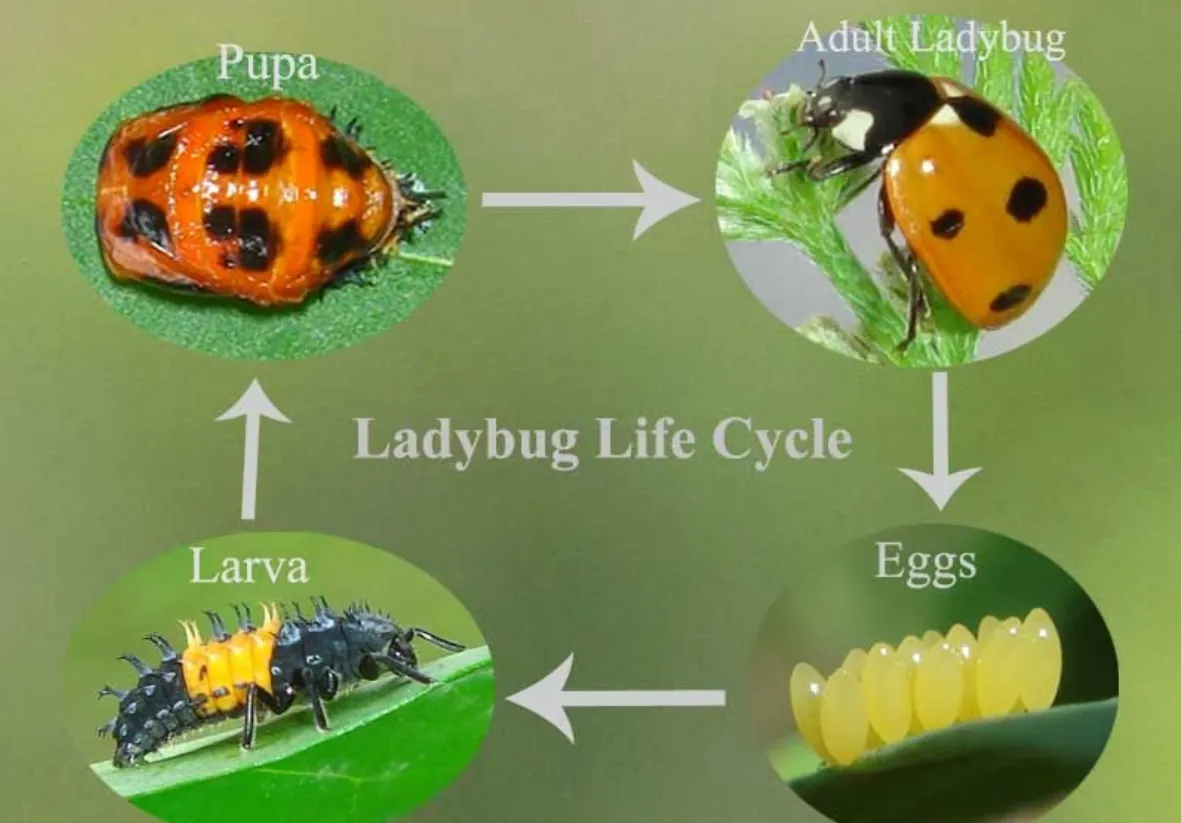
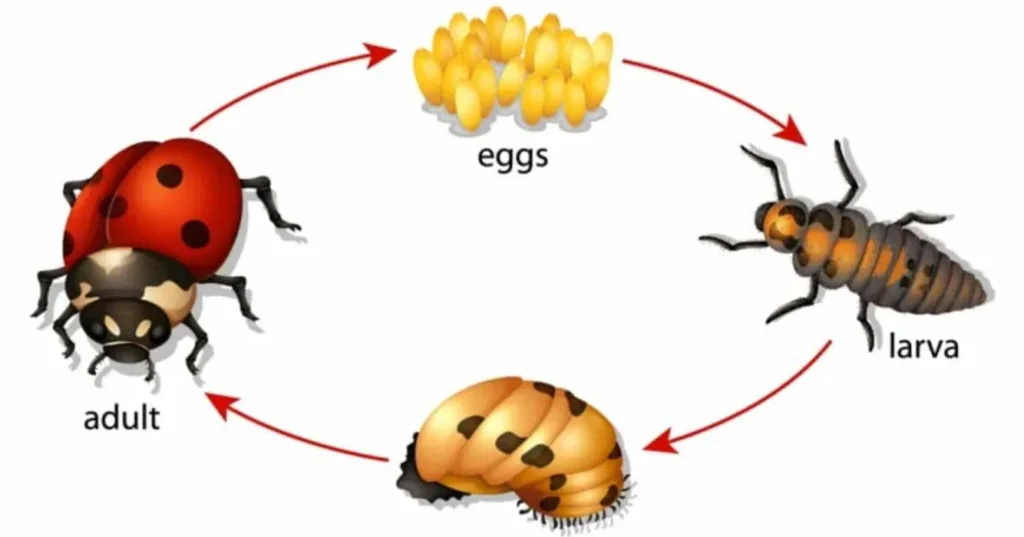
The Stages of the Ladybug Life Cycle
- Egg Stage: Ladybugs start their life as small, oval eggs that are usually yellow or orange in color. The eggs are typically laid on the underside of leaves, where they are safe from predators and environmental elements.
- Larvae Stage: Once hatched, ladybug larvae resemble tiny alligators with spiny bodies. This stage lasts several weeks, during which the larvae feed on aphids and other small insects.
- Pupa Stage: After feeding and growing, the larvae pupate into the next stage of development. During this time, the ladybug undergoes metamorphosis, transforming into an adult.
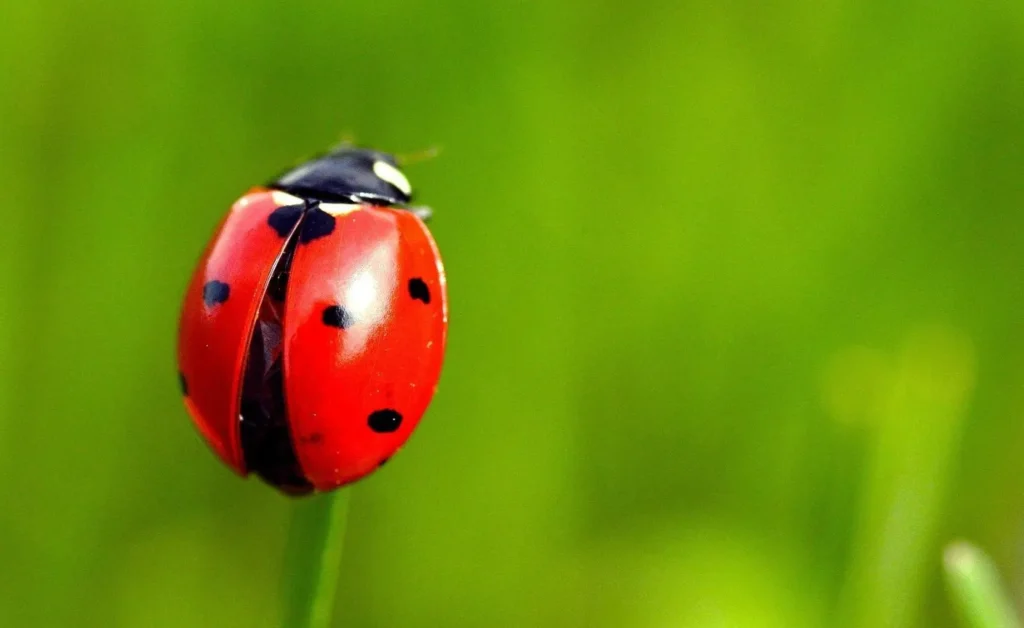
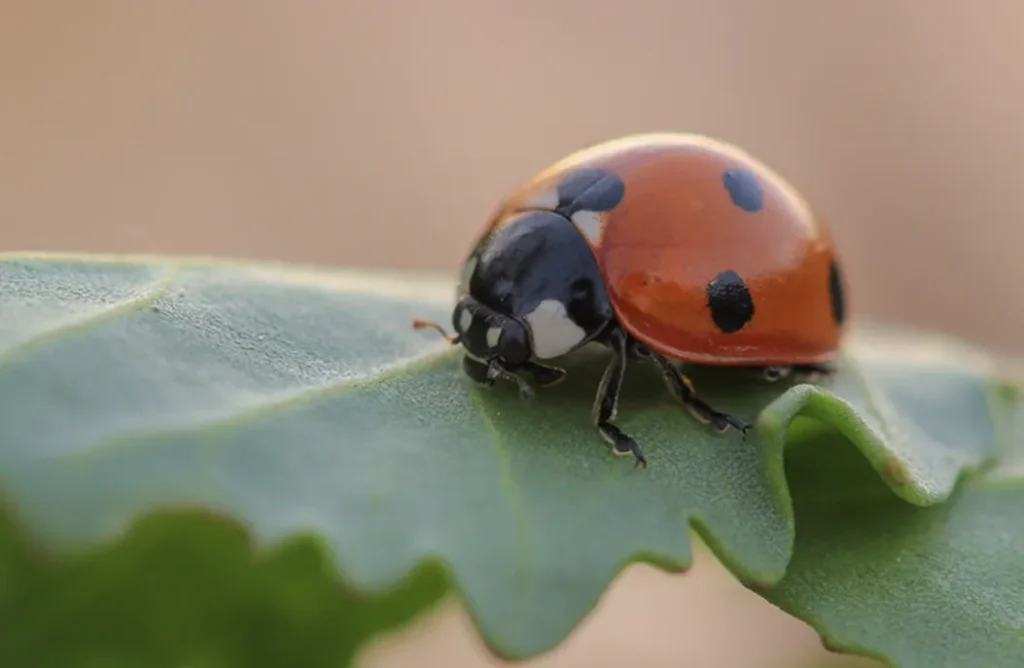
- Adult Stage: After emerging from the pupa, the adult ladybug is fully formed and ready to begin its lifecycle again. Adults are often red or orange with black spots, but some species may have different color patterns.
Ladybugs can survive in a variety of climates, but they thrive best in environments with plenty of food sources, like gardens or forests. They often hibernate during the winter, seeking sheltered areas such as under tree bark or in cracks and crevices.
Their Reproductive Process and Raising Their Children
Ladybugs reproduce by laying eggs in clusters on plants that are infested with aphids. A single female can lay up to 200 eggs at once, ensuring that there will be plenty of food available for the larvae once they hatch. After hatching, larvae immediately begin feeding on aphids to grow and develop.
The female will continue laying eggs during the warmer months, ensuring a constant supply of larvae to control pest populations. As the larvae develop and metamorphose into adult ladybugs, the process begins anew.
Importance of Them in the Ecosystem
Why Ladybugs Are Essential for the Ecosystem
Ladybugs are not only beneficial to gardeners but also play a significant role in maintaining a balanced ecosystem. As natural predators, they help control aphid and other plant-eating insect populations, reducing the need for harmful chemical pesticides. Without ladybugs, these pests could cause severe damage to crops and plants, threatening food sources and biodiversity.
Ladybugs also serve as a food source for other animals, including birds and amphibians, helping them remain an integral part of the food chain.
What to Do to Protect Them in Nature and Save the System for the Future
- Plant Diverse Vegetation: By planting a variety of plants, you can create an environment that attracts ladybugs. Flowers like dill, fennel, and yarrow are particularly beneficial.
- Avoid Pesticides: Reducing or eliminating the use of chemical pesticides helps to protect ladybug populations.
- Provide Shelter: Ladybugs need safe spaces to hibernate during the winter. Consider creating a ladybug house or leaving areas of your garden undisturbed.
- Support Natural Habitats: Protecting natural habitats, such as forests and meadows, ensures that ladybugs have plenty of space to thrive and reproduce.
Important Things That You Need to Know
Ladybugs, also known as ladybird beetles, are essential for controlling pest populations. They play a significant role in gardens and crops, protecting plants from aphids and other destructive insects. The ladybug larvae, often mistaken for small alligators, are voracious predators that feed on aphids. These tiny creatures are important in sustainable gardening practices and organic farming.
Ladybugs also have a strong cultural significance. In various cultures, they are seen as symbols of good luck. The belief that ladybugs bring good fortune likely stems from their role in pest control and in promoting healthy plants.
By supporting ladybug habitats and reducing the use of harmful pesticides, we can ensure these beneficial insects continue to thrive and support healthy ecosystems.
Frequently Asked Questions (FAQs)
- What do ladybugs eat?
- Ladybugs primarily eat aphids, scale insects, and other small pests that damage plants.
- How can I attract ladybugs to my garden?
- Planting aphid-friendly plants like dill, fennel, and yarrow can attract ladybugs to your garden.
- Are ladybugs harmful to plants?
- No, ladybugs are beneficial to plants because they eat aphids and other pests that damage plants.
- How long does a ladybug live?
- Ladybugs can live for up to two years, depending on environmental conditions.
- What color are ladybug larvae?
- Ladybug larvae are typically black with orange markings, resembling small alligators.
- Do ladybugs hibernate in winter?
- Yes, ladybugs hibernate during the winter in sheltered areas, such as tree bark or cracks in walls.
- Why are ladybugs important for pest control?
- Ladybugs help control pest populations, particularly aphids, by feeding on them, which reduces the need for chemical pesticides.
- Can ladybugs fly?
- Yes, ladybugs are capable of flying and use their wings to travel between plants in search of food.
Conclusion
The ladybug’s life cycle is a fascinating journey, from egg to adult, and it plays a vital role in maintaining the health of plants and gardens. By understanding and supporting these beneficial insects, we can promote a healthier ecosystem while reducing the reliance on chemical pesticides.
With their vibrant colors and hard work as natural pest controllers, ladybugs are more than just charming creatures; they are essential members of the natural world. Protecting them ensures that they continue to play a crucial role in sustaining a balanced environment.
Also Read: bunny life cycle