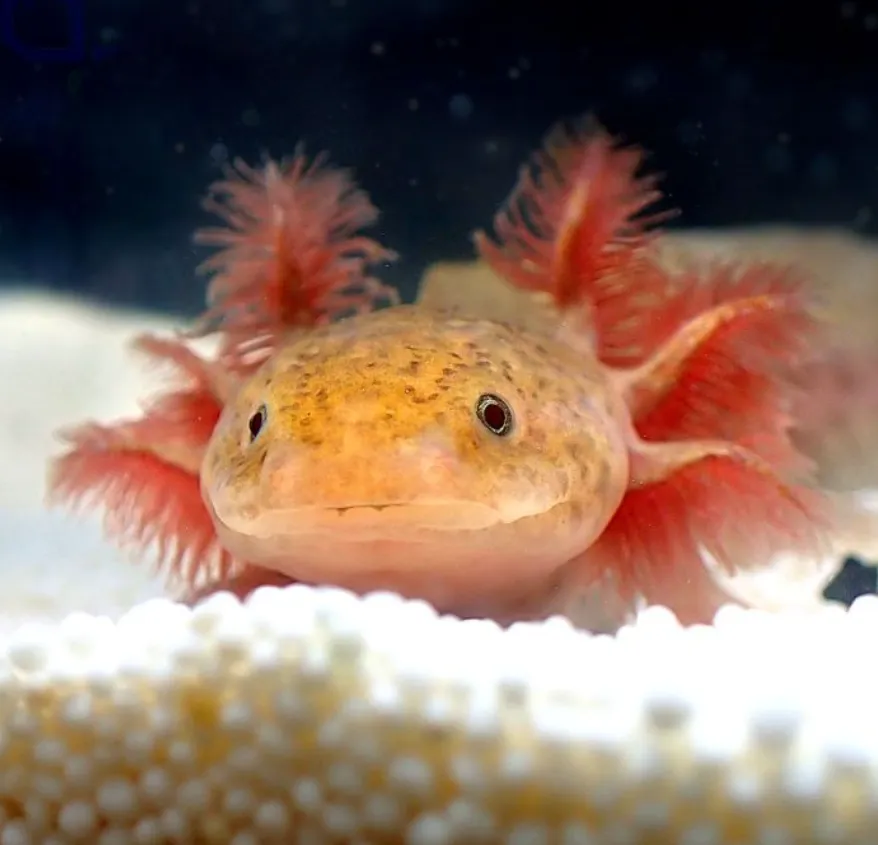
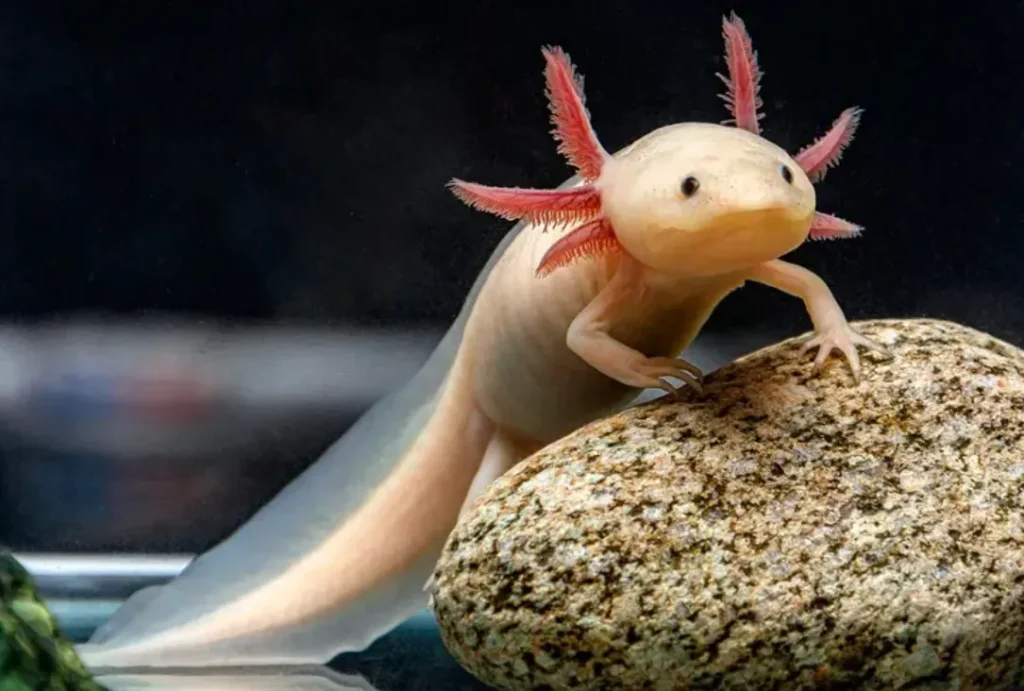
Axolotls, often called “Mexican walking fish,” are fascinating amphibians that have captivated people worldwide with their distinctive appearance and regenerative abilities. These remarkable creatures are native to lakes such as Lake Xochimilco in Mexico. While they share similarities with salamanders, they have a unique ability to retain their juvenile features throughout their life, a phenomenon known as “neoteny.” Understanding the life cycle of axolotls provides valuable insight into their biology, evolution, and the ecosystems they inhabit.
Quick Answers to Common Questions:
- What is the life cycle of an axolotl?
- The life cycle of an axolotl begins with eggs, which hatch into larvae. As they grow, they remain in the larval stage throughout their life, capable of undergoing a metamorphosis under certain conditions. Most axolotls do not undergo metamorphosis in the wild, remaining aquatic and retaining their gills.
- How long do axolotls live?
- On average, axolotls live 10 to 15 years, with some living up to 20 years in captivity when kept in optimal conditions.
- Can axolotls regenerate limbs?
- Yes, axolotls are renowned for their remarkable regenerative abilities, which allow them to regenerate entire limbs, spinal cord segments, and other tissues.
Quick Life Cycle Table
| Stage | Duration | Description |
| Egg | 2–3 weeks | Eggs are laid in water and hatch into larvae. |
| Larvae | 2–3 months | Newly hatched axolotls are small and develop external gills for respiration. |
| Juvenile | 3–6 months | The axolotls grow larger and develop better swimming abilities. |
| Adult | 1–2 years | Axolotls remain in their aquatic larval form and may live up to 15 years. |
| Reproductive | After 1 year | Mature axolotls begin the breeding cycle by laying eggs. |
The History of Their Scientific Naming
The scientific name of the axolotl, Ambystoma mexicanum, reflects both its native region and its classification within the amphibian family. The genus name Ambystoma is derived from the Greek word “ambystoma,” meaning “a short mouth,” referring to the creature’s wide, flattened face. The species name mexicanum honors their origin in Mexico, specifically the lakes of Xochimilco, where they were first discovered.
Their Evolution and Their Origin
Axolotls are members of the salamander family, belonging to the genus Ambystoma, a group of amphibians that also includes the tiger salamander. These animals are believed to have evolved around 100 million years ago during the Cretaceous period, a time when many amphibians were transitioning into more complex forms. The axolotl’s unique feature—remaining in its larval form throughout its life—makes it a prime example of neoteny, a condition that allows organisms to retain juvenile traits into adulthood.
The axolotl’s evolutionary path diverged from other salamanders in several key ways. While most amphibians undergo metamorphosis from larvae to adult, axolotls can remain aquatic and retain external gills, which are crucial for their respiratory needs. This evolutionary adaptation likely helped axolotls survive in their specialized habitat: nutrient-rich but oxygen-poor lakes, making their reliance on gills more advantageous than developing lungs.
Their Main Food and Its Collection Process
Axolotls are carnivorous and primarily eat small aquatic animals, such as worms, small fish, and invertebrates. In the wild, they use their keen sense of smell to detect prey in the murky waters of their natural habitat. Once prey is detected, axolotls use a suction feeding technique to capture their food quickly. This method involves rapidly opening their mouth to suck in water and food, which is then swallowed whole.
In captivity, axolotls are typically fed pellets, earthworms, or live insects, which provide the nutrients they need for growth and regeneration. Their feeding process is relatively simple, as they generally rely on sight and smell to locate food.
Their Life Cycle and Ability to Survive in Nature
Axolotl Life Cycle
The life cycle of an axolotl is unique among amphibians. Instead of undergoing full metamorphosis, in which larvae develop into terrestrial adults, axolotls retain their aquatic form throughout their lives. They hatch from eggs as larvae, complete with external gills, and continue to grow and develop without ever leaving the water. This ability to remain in their larval form—known as neoteny—allows them to live in aquatic environments and continue breeding, making them highly adapted to their habitat.
In the wild, axolotls have relatively few natural predators, mainly because they can camouflage themselves against the dark lakebed and excrete a poisonous secretion when threatened. Their aquatic habitat, however, is under threat due to pollution, invasive species, and urban development around their natural lakes.
Survival in Nature
The axolotl’s survival in nature depends largely on maintaining water quality. With the loss of their natural habitat, efforts have been made to conserve the axolotl’s environment, focusing on restoring water quality and reducing human impact. Conservation programs have been established to help maintain populations in their native habitat, and captive breeding programs aim to ensure their long-term survival.
Their Reproductive Process and Raising Their Children
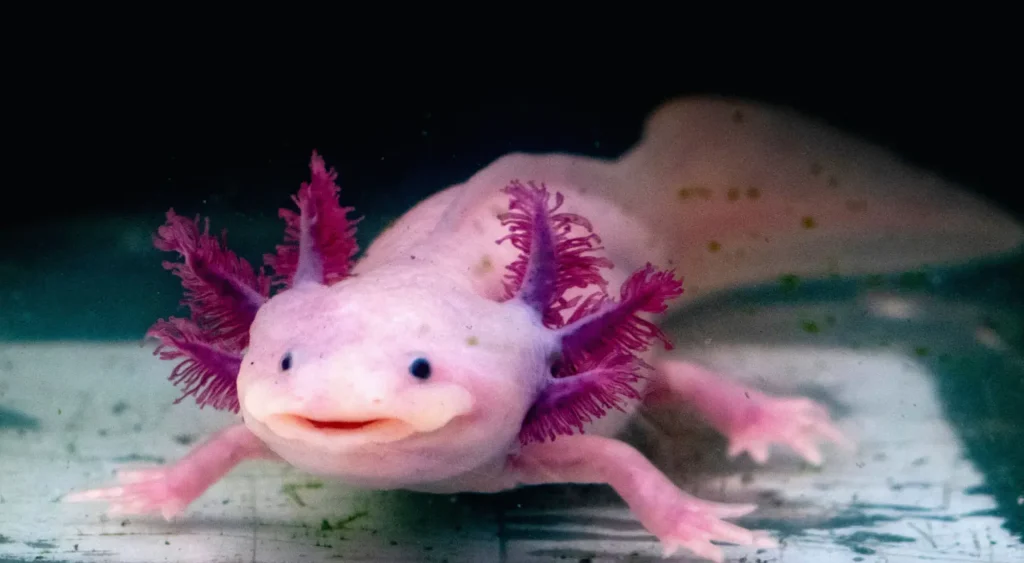
Axolotls reach sexual maturity at around one year old. During mating season, males secrete a spermatophore, a packet containing sperm, which the female then takes in through her cloaca to fertilize her eggs. The fertilized eggs are laid in water, where they hatch into larvae in about two to three weeks.
Axolotls do not care for their young after birth. The larvae can survive independently and begin searching for food immediately. They grow and develop in the water, following the same life cycle as their parents.
Importance of Axolotls in the Ecosystem
Ecological Role
Axolotls play a significant role in their ecosystem by maintaining the balance of smaller aquatic organisms. As carnivores, they help control populations of small fish and invertebrates. Their feeding habits contribute to the overall health of the aquatic ecosystem, preventing the overpopulation of certain species. Additionally, their presence in the food chain provides sustenance for larger predators in their environment.
What to Do to Protect Axolotls in Nature and Save the System for the Future
Protecting axolotls in their natural environment requires a combined effort from conservationists, local communities, and governmental bodies. Some steps that can be taken include:
- Restoring natural habitats by reducing pollution in lakes and rivers where axolotls live.
- Control invasive species such as non-native fish, which compete for food and can prey on axolotls.
- Creating breeding programs to help maintain axolotl populations and reduce the pressure on wild habitats.
- Public education to raise awareness about the importance of axolotls and the threats they face.
Important Things That You Need to Know About Axolotls
The axolotl is a fascinating and unique creature, but there are some critical facts that you need to know:
- They can regenerate lost body parts, including limbs, spinal cord, heart, and other organs, making them invaluable for medical research on regeneration.
- They are entirely aquatic, living in lakes and not transitioning to land like most amphibians.
- Axolotls are endangered in the wild, primarily due to habitat loss, pollution, and invasive species.
Their adaptability, regenerative abilities, and unique life cycle make them among the most remarkable creatures on Earth.
Frequently Asked Questions (FAQs)
- What is the axolotl’s natural habitat?
- Axolotls are found in freshwater lakes such as Lake Xochimilco, near Mexico City, where they live in the cold, clear waters with dense vegetation.
- Can axolotls live on land?
- No, axolotls are fully aquatic and never undergo metamorphosis like other amphibians, so they remain in the water throughout their lives.
- How long do axolotls live in captivity?
- Axolotls can live up to 15 years in captivity with proper care, though some may live even longer.
- Can axolotls regenerate their limbs?
- Yes, axolotls can regenerate entire limbs, as well as parts of their spinal cord, heart, and other tissues.
- What do axolotls eat?
- Axolotls are carnivorous and primarily eat small fish, worms, and invertebrates.
- How do axolotls reproduce?
- Axolotls reproduce sexually, with males releasing spermatophores and females externally fertilizing their eggs.
- Why are axolotls endangered?
- Axolotls are endangered due to habitat destruction, pollution, and invasive species in their native habitat.
- Can axolotls breathe air?
- While axolotls primarily breathe through gills, they can also absorb oxygen through their skin and occasionally gulp air at the surface.
Conclusion
The life cycle of an axolotl is a captivating example of evolution and adaptability. These extraordinary creatures have evolved unique features, including their regenerative abilities and aquatic lifestyle, allowing them to thrive in specific environments.
While the axolotl’s future is uncertain due to environmental threats, understanding its life cycle and the importance of preserving its habitat offers hope for its continued survival. Through conservation efforts and public awareness, we can ensure that these “Mexican walking fish” remain a part of our world for generations to come.
Also Read: aphids life cycle