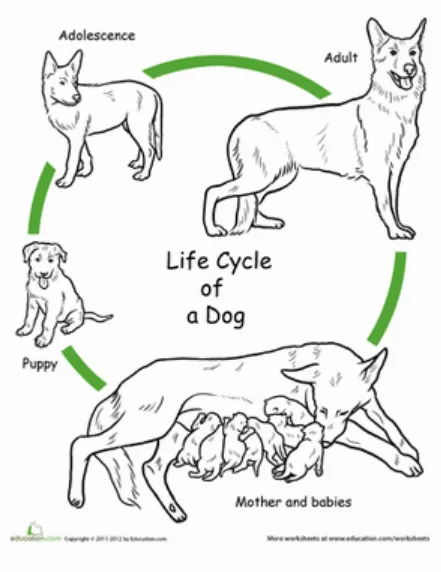
Understanding the life cycle of a dog is essential for pet owners, animal lovers, and even kids who want to learn about animals. Dogs go through several fascinating stages from birth to old age, each with unique behaviors, needs, and development milestones. Knowing these stages helps you provide better care, ensure proper nutrition, and support your dog’s emotional well-being.
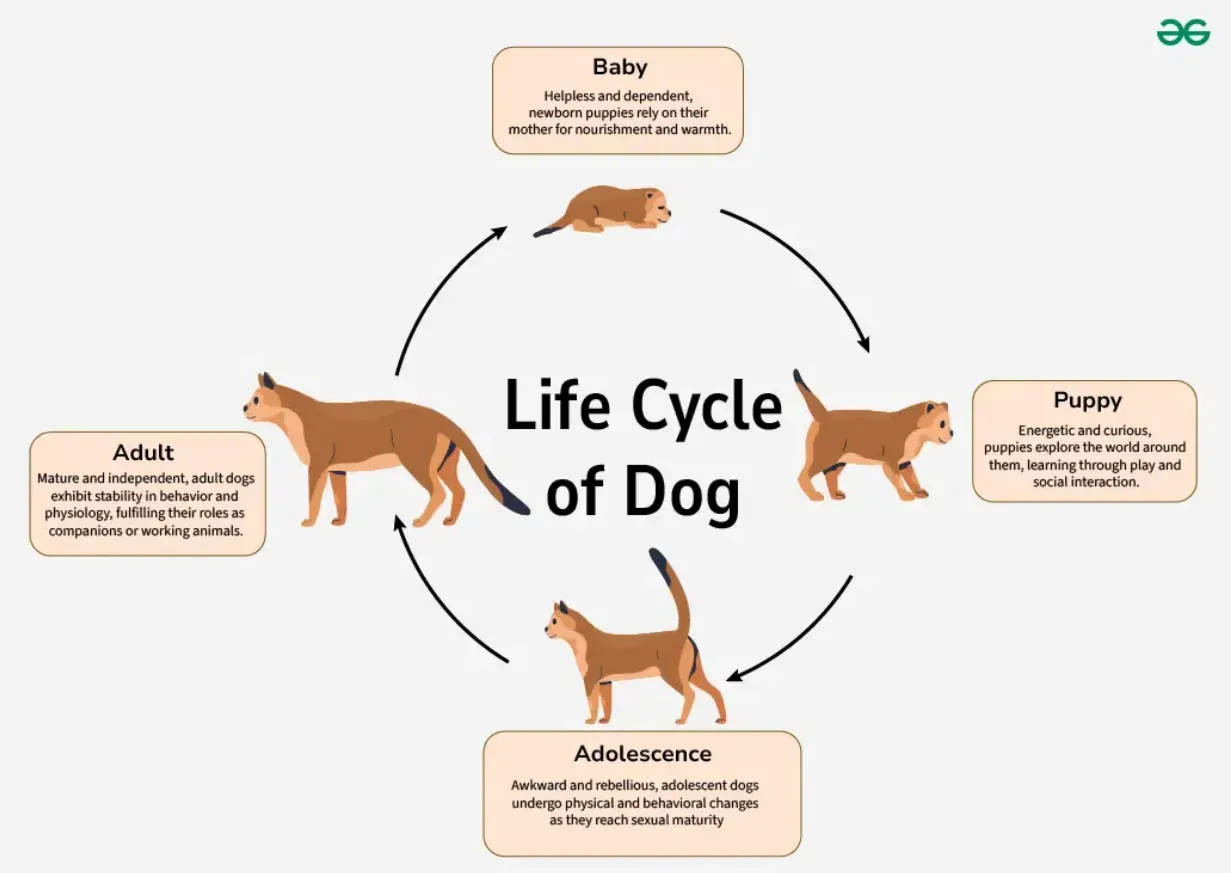
The life cycle begins with birth as a puppy, followed by rapid growth during the juvenile stage. Dogs then enter adulthood, reaching full maturity and becoming more stable in their behavior. Finally, they transition into their senior years, requiring extra care and attention.
🔎 Quick Answers (Most Common Questions)
1. What is the life cycle of a dog?
The life cycle of a dog includes four main stages: puppy, juvenile, adult, and senior. Each stage has different physical and behavioral changes.
2. How long is a dog’s life cycle?
Most dogs live between 10 and 15 years, depending on breed, size, and care.
3. What is the most important stage in a dog’s life?
The puppy stage is crucial because it shapes behavior, health, and social skills.
Quick Life Cycle Table
| Stage | Age Range | Key Characteristics |
| Puppy | 0–6 months | Rapid growth, learning basic skills |
| Juvenile | 6 months–2 years | High energy, social development |
| Adult | 2–7 years | Stable behavior, peak health |
| Senior | 7+ years | Slower movement, increased care needs |
The History Of Their Scientific Naming
The scientific naming of dogs has an interesting history rooted in biological classification.
- Dogs are scientifically known as Canis lupus familiaris.
- This classification shows that dogs are a subspecies of the gray wolf (Canis lupus).
- Early scientists, such as Carl Linnaeus, first classified dogs in the 18th century.
- Initially, dogs were thought to be a separate species (Canis familiaris).
- Later research proved dogs evolved from wolves, leading to their current classification.
- The term Canis refers to the genus that includes wolves, foxes, and dogs.
- Familiaris highlights their domesticated nature and close relationship with humans.
This scientific naming reflects the evolutionary bond between dogs and wolves and emphasizes their domestication over thousands of years.
Their Evolution And Their Origin
Dogs are among the earliest domesticated animals, with origins tracing back over 15,000 years.
Scientists believe that dogs evolved from gray wolves through a gradual process of domestication. Early humans and wolves formed a mutually beneficial relationship. Wolves that were less aggressive and more social began living near human settlements.
Over time, these wolves adapted to human environments. Humans provided food and protection, while wolves helped with hunting and guarding.
This partnership led to selective breeding. Humans chose dogs with desirable traits like friendliness, intelligence, and loyalty.
As generations passed, these traits became more pronounced. This process created the wide variety of dog breeds we see today.
Genetic studies confirm that all modern dogs share a common ancestor with wolves. However, dogs have developed unique characteristics that distinguish them from wild animals.
Their evolution highlights the deep bond between humans and dogs, making them among the most loyal companions in history.
Their Main Food and Its Collection Process
Dogs are omnivores, meaning they eat both animal and plant-based foods.
🦴 Main Food Sources
- Meat (chicken, beef, fish)
- Commercial dog food
- Vegetables and fruits
- Grains like rice and oats
🍖 Food Collection Process
- Domesticated Dogs:
- Depend on humans for feeding. Owners provide balanced meals tailored to their needs.
- Stray Dogs:
- Scavenge food from garbage, leftovers, and small prey.
- Wild Dogs:
- Hunt in packs to catch prey like deer or small animals.
🧠 Feeding Behavior
- Dogs use their sense of smell to locate food.
- They often eat quickly due to instinct from their wild ancestors.
- Puppies require more frequent feeding than adults.
A proper diet is essential at every stage of a dog’s life cycle, supporting growth, energy, and overall health.
Their Life Cycle and Ability to Survive in Nature
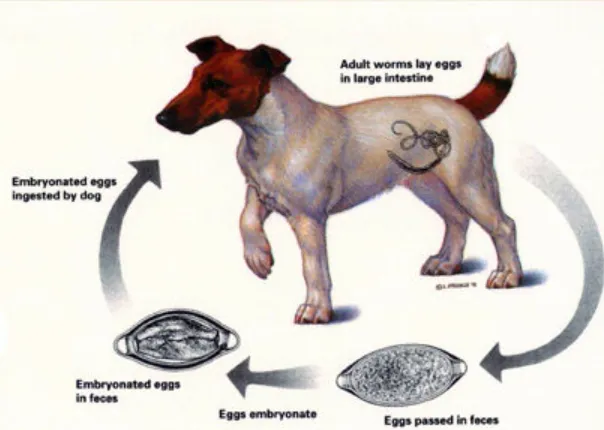
🐕 Puppy Stage
Newborn puppies depend entirely on their mother for survival. They rely on milk for nutrition and warmth.
🐕 Juvenile Stage
Young dogs begin exploring their environment. They learn survival skills, such as social interaction and basic instincts.
🐕 Adult Stage
Adult dogs are fully developed. They can hunt, protect themselves, and adapt to different environments.
🐕 Senior Stage
Older dogs slow down but still rely on learned behaviors. Survival depends on care, especially in domestic settings.
Dogs are highly adaptable animals. Their ability to survive comes from intelligence, strong senses, and social behavior.
Their Reproductive Process and Raising Their Children
Dogs reproduce sexually, and their process is well-structured.
🐾 Reproductive Process
- Female dogs go into heat twice a year
- Mating occurs during this period
- Gestation lasts about 58–68 days
- Females give birth to litters of 4–8 puppies
🐾 Raising Puppies
- Mothers feed puppies with milk
- Puppies open their eyes after 1–2 weeks
- Social skills develop within 3–12 weeks
- Weaning begins around 4–6 weeks
Mother dogs are highly protective and nurturing. Human care also plays a vital role in raising healthy puppies.
Importance of Them in this Ecosystem
🌍 Role in Nature
Dogs play an important role in maintaining ecological balance.
🐾 Key Contributions
- Control populations of small animals
- Assist humans in farming and herding
- Provide companionship and emotional support
- Help in search and rescue operations
🌱 Environmental Impact
Dogs help maintain balance by interacting with other species and supporting human ecosystems.
Important Things That You Need To Know
The life cycle of a dog can vary slightly depending on breed, size, and environment. Understanding these variations helps provide better care.
The life cycle of a dog for kids is often simplified into four stages: puppy, young dog, adult, and old dog. This makes it easier for children to understand growth and development.
When people ask about a dog’s life cycle, they are usually referring to these stages and how dogs grow physically and behaviorally over time.
Factors such as genetics, nutrition, and environment influence a dog’s natural life cycle. Wild or stray dogs often have shorter life spans due to challenges such as disease and food
scarcity.
The life cycle of a dog also includes emotional development. Dogs form strong bonds with humans and other animals, which affects their behavior throughout life.
What to Do to Protect Them in Nature and Save the System for the Future
- Provide proper nutrition and clean water
- Ensure regular veterinary care
- Support animal shelters and rescue organizations
- Avoid abandoning pets
- Promote responsible breeding practices
- Vaccinate dogs to prevent diseases
- Educate others about animal welfare
- Protect natural habitats
Frequently Asked Questions (FAQs)
1. What are the stages in the life cycle of a dog?
Puppy, juvenile, adult, and senior stages.
2. How long does a dog live?
Typically 10–15 years, depending on breed.
3. What do puppies need the most?
Nutrition, warmth, and socialization.
4. At what age is a dog considered an adult?
Around 2 years old.
5. How many puppies can a dog have?
Usually 4–8 puppies per litter.
6. Do all dogs age the same way?
No, smaller breeds tend to live longer than larger breeds.
7. What is the hardest stage of a dog’s life?
The senior stage is due to health challenges.
8. How can I improve my dog’s lifespan?
Proper diet, exercise, and regular vet visits.
Conclusion
The life cycle of a dog is a remarkable journey that reflects growth, adaptation, and companionship. From the fragile puppy stage to the wise senior years, each phase plays a crucial role in shaping a dog’s life.
Understanding these stages helps owners provide better care, ensuring dogs live happy and healthy lives. Dogs are not just pets—they are loyal companions who enrich human lives in countless ways.
By learning about their development, nutrition, and needs, we can build a stronger bond with them and support their well-being. Protecting dogs and their environment ensures a better future for both animals and humans.
Ultimately, respecting and caring for dogs throughout their life cycle is a responsibility that brings lifelong rewards.
Also Read: life cycle of a cockroach