The tomato bug life cycle is a fascinating yet critical topic for gardeners, farmers, and plant enthusiasts. These insects—commonly called tomato bugs—include species such as hornworms, stink bugs, and leaf-footed bugs that directly affect tomato crops. Understanding their life cycle helps in early detection and effective control, ensuring healthier plants and better yields.
Tomato bugs undergo a structured development process that includes egg, larva (or nymph), pupa (in some species), and adult stages. Each stage plays a unique role in their survival and in their interactions with tomato plants. Their ability to reproduce quickly and adapt to environmental conditions makes them a persistent threat in many regions, including tomato bug hotspots in California.
Quick Answers (Most Common Questions)
1. What does a tomato bug look like?
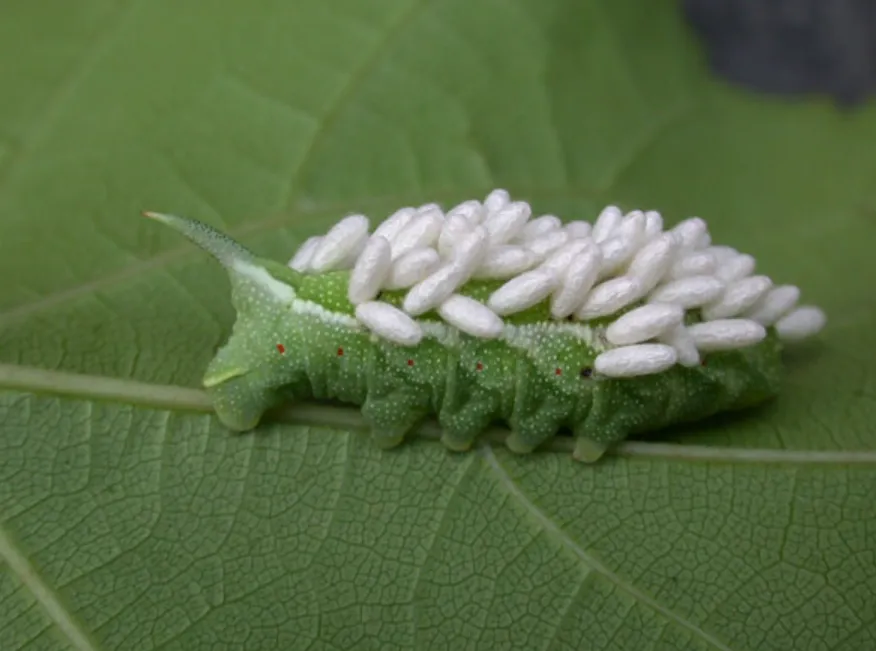
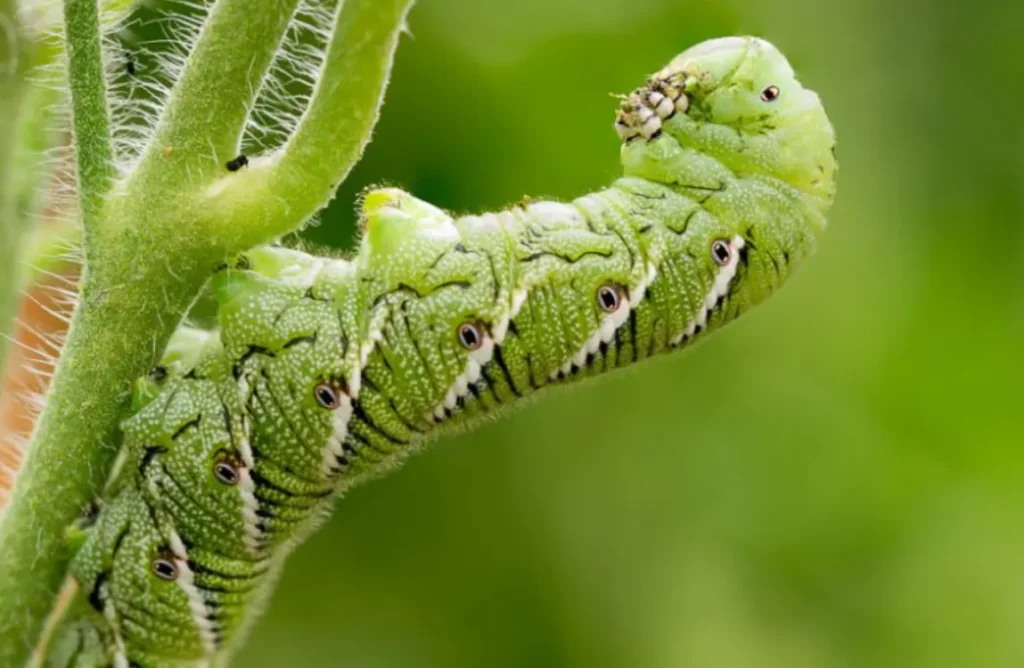
Tomato bugs vary by species but often appear as green caterpillars (hornworms), shield-shaped stink bugs, or brown leaf-footed insects.
2. How long is the tomato bug’s life cycle?
The life cycle typically ranges from 30 to 60 days, depending on species and environmental conditions.
3. What is the best tomato bug spray?
Natural options like neem oil or Bacillus thuringiensis (Bt) are highly effective against larvae without harming beneficial insects.
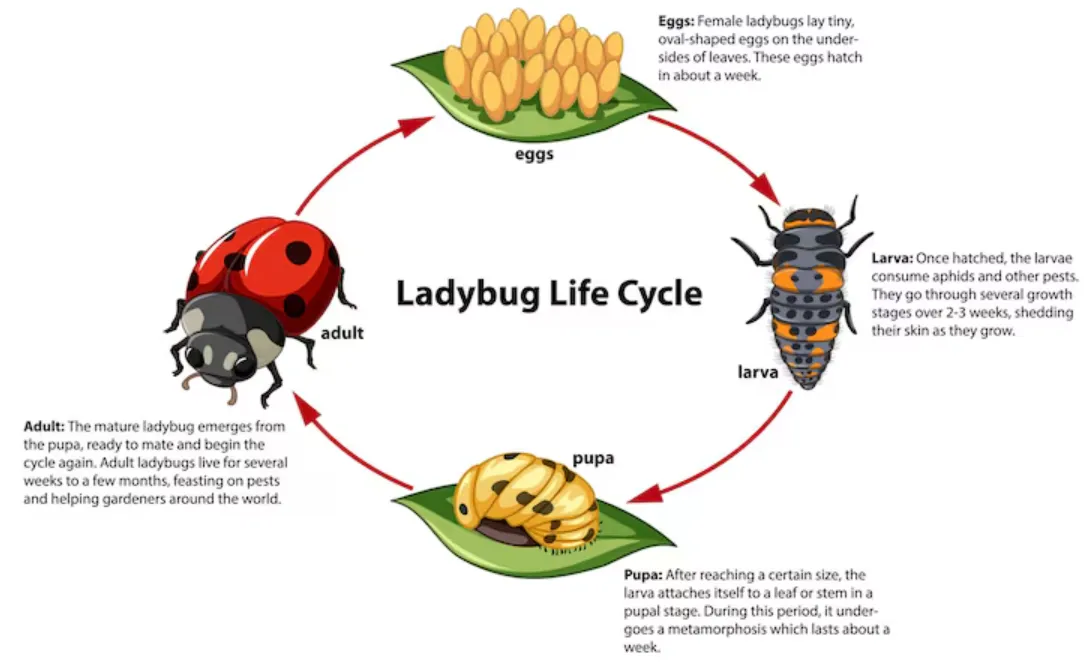
Quick Life Cycle Table
| Stage | Duration | Description |
| Egg | 3–7 days | Laid on the underside of leaves |
| Larva/Nymph | 2–4 weeks | The active feeding stage causes plant damage |
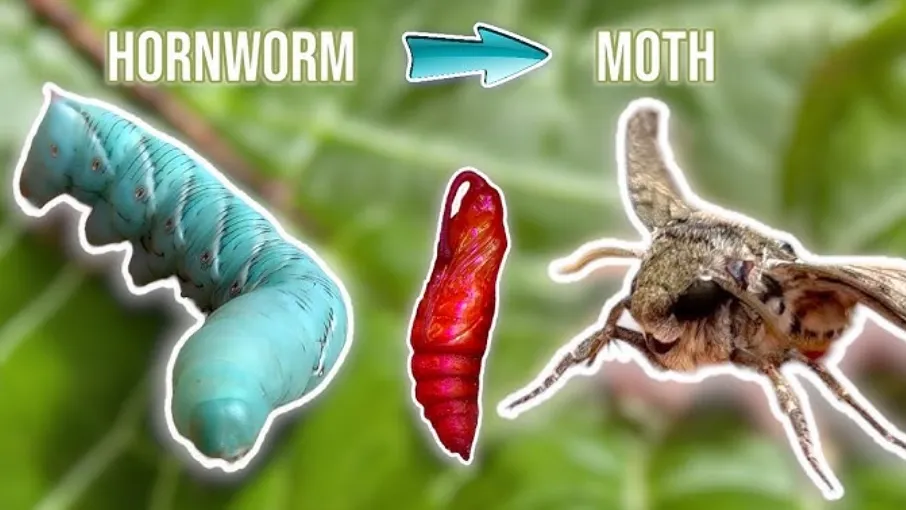
| Pupa | 1–2 weeks | Transformation stage (for caterpillars) |
| Adult | 2–4 weeks | Reproduction and spreading stage |
The History Of Their Scientific Naming
The scientific classification of tomato bugs has evolved over centuries through entomological research:
- Tomato hornworms are scientifically known as Manduca quinquemaculata
- Stink bugs fall under the family Pentatomidae
- Leaf-footed bugs belong to Coreidae
Early 18th-century naturalists categorized these insects based on physical traits such as body shape and feeding behavior. Later, genetic studies refined these classifications, linking them to broader insect families.
- Carl Linnaeus laid the foundation for insect taxonomy
- Naming reflects physical traits (e.g., “quinquemaculata” means five-spotted)
- Modern classification includes molecular biology insights
This scientific naming helps researchers worldwide identify and study tomato pests accurately.
Their Evolution And Their Origin
Tomato bugs have evolved over millions of years, adapting to various climates and host plants. Originally, many of these insects fed on wild plants before cultivated tomatoes were introduced.
As tomatoes spread globally, these bugs adapted quickly due to their flexible feeding habits. For example, hornworms evolved to blend with green foliage, making them nearly invisible to predators.
Environmental pressures such as climate change and pesticide use have further influenced their evolution. Some species have developed resistance to chemical sprays, making natural control methods more important.
In regions like North America and especially in tomato bug California, warmer climates allow multiple generations per year. This rapid reproduction accelerates evolutionary adaptation.
Their origin traces back to tropical and subtropical ecosystems, where biodiversity allowed them to diversify into multiple species. Over time, they migrated and adapted to temperate zones.
This evolutionary success explains why tomato bugs remain one of the most persistent agricultural pests today.
Their Main Food and Its Collection Process
Tomato bugs primarily feed on plant tissues, especially tomato plants. Their feeding habits vary depending on species:
- Leaf feeding: Caterpillars like hornworms consume large amounts of leaves
- Sap sucking: Stink bugs pierce plant tissues and suck juices
- Fruit damage: Some species feed directly on tomatoes, causing deformities
Collection Process:
- Use specialized mouthparts (chewing or piercing)
- Detect plants using chemical signals
- Prefer young, tender plant tissues
- Feed mostly during the early morning or night
These insects locate tomato plants through scent and visual cues. Once they find a suitable plant, they remain until food sources are depleted.
Their feeding weakens plants, reduces fruit quality, and increases susceptibility to diseases.
Their Life Cycle and Ability to Survive in Nature
Egg Stage
Female tomato bugs lay eggs on the underside of leaves. This placement protects them from predators and environmental damage.
Larval/Nymph Stage
This is the most destructive stage. The tomato bug caterpillar feeds aggressively, growing rapidly as it consumes plant material.
Pupal Stage
In species like hornworms, pupation occurs in the soil. This stage allows transformation into adults.
Adult Stage
Adults reproduce and disperse, ensuring the survival of the species.
Tomato bugs survive through:
- Camouflage techniques
- Rapid reproduction
- Adaptation to pesticides
- Ability to thrive in different climates
Their survival strategy makes them resilient and difficult to eliminate.
Their Reproductive Process and Raising Their Children
Tomato bugs reproduce efficiently, ensuring population growth:
- Females lay hundreds of eggs in clusters
- Eggs hatch quickly under warm conditions
- No parental care after laying eggs
- High survival rate due to large numbers
Some species synchronize reproduction with plant growth cycles, ensuring that food is available to larvae.
The sheer number of offspring compensates for the absence of parental caring. This strategy increases the chances of survival despite predators.
Environmental factors, such as temperature and humidity, significantly influence reproductive rates.
Importance of Them in this Ecosystem
Natural Food Chain Role
Tomato bugs serve as food for birds, spiders, and beneficial insects.
Pollination Contribution
Some adult species indirectly assist in pollination while moving between plants.
Soil Health
Pupation in soil helps aerate the soil, contributing to its structure.
Despite being pests, they play a role in maintaining ecological balance.
Important Things That You Need To Know
Understanding key aspects of tomato bugs can help you manage them effectively:
The term tomato bug refers to several insect species, not just one. Among them, the tomato bug caterpillar (hornworm) is the most destructive due to its rapid feeding habits.
If you notice holes in leaves, it could indicate a tomato bug worm infestation. Early detection is crucial.
Using a natural tomato bug spray, such as neem oil, can control larvae without harming beneficial insects.
In warmer regions like tomato bug California, these pests reproduce faster, requiring more frequent monitoring.
When asking what a tomato bug looks like, remember they vary widely—from green caterpillars to shield-shaped bugs.
Effective control involves combining manual removal, natural predators, and organic sprays.
What to do to protect them in nature and save the system for the future
- Use organic pest control methods instead of chemicals
- Encourage natural predators like birds and ladybugs
- Avoid overuse of pesticides
- Maintain biodiversity in gardens
- Rotate crops regularly
- Use companion planting techniques
- Monitor plants frequently for early signs
- Educate others about ecological balance
Protecting natural ecosystems ensures long-term sustainability.
Frequently Asked Questions (FAQs)
1. What is the tomato bug’s life cycle?
It includes egg, larva/nymph, pupa (in some species), and adult stages.
2. How do tomato bugs damage plants?
They feed on leaves, stems, and fruits, reducing plant health.
3. Are tomato bugs harmful to humans?
No, they are not harmful to humans.
4. How can I identify a tomato bug caterpillar?
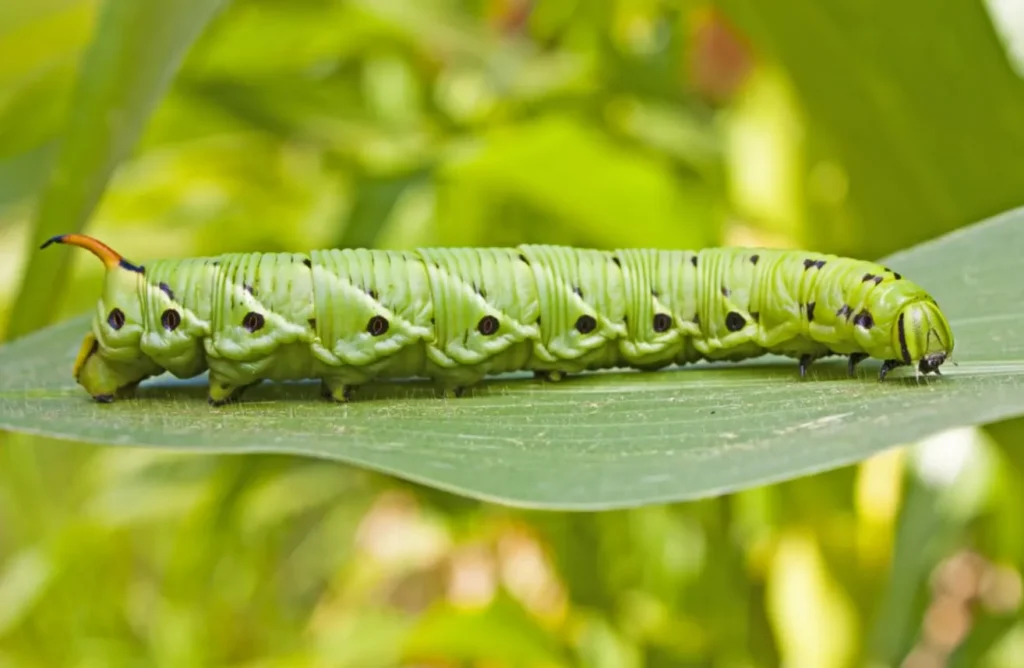
They are large green worms with horn-like tails.
5. What is the best natural tomato bug spray?
Neem oil and Bt are highly effective.
6. Where are tomato bugs commonly found?
They are common in gardens worldwide, especially in warm regions.
7. Can tomato bugs survive winter?
Some species overwinter in soil or plant debris.
8. How fast do tomato bugs reproduce?
They reproduce rapidly, with multiple generations per season.
Conclusion
Understanding the tomato bug life cycle is essential for anyone growing tomatoes or managing gardens. These insects, while harmful to crops, are also part of a broader ecological system. Their rapid reproduction, adaptive abilities, and varied feeding habits make them difficult pests to control.
By learning their life stages—from egg to adult—you can take timely action to minimize damage. Natural solutions like organic sprays, predator encouragement, and regular monitoring are the most effective strategies.
Rather than relying solely on chemicals, adopting eco-friendly practices ensures both plant health and environmental balance. With the right knowledge and approach, you can successfully manage tomato bugs while maintaining a sustainable garden ecosystem.
Also Read: life cycle of african lion