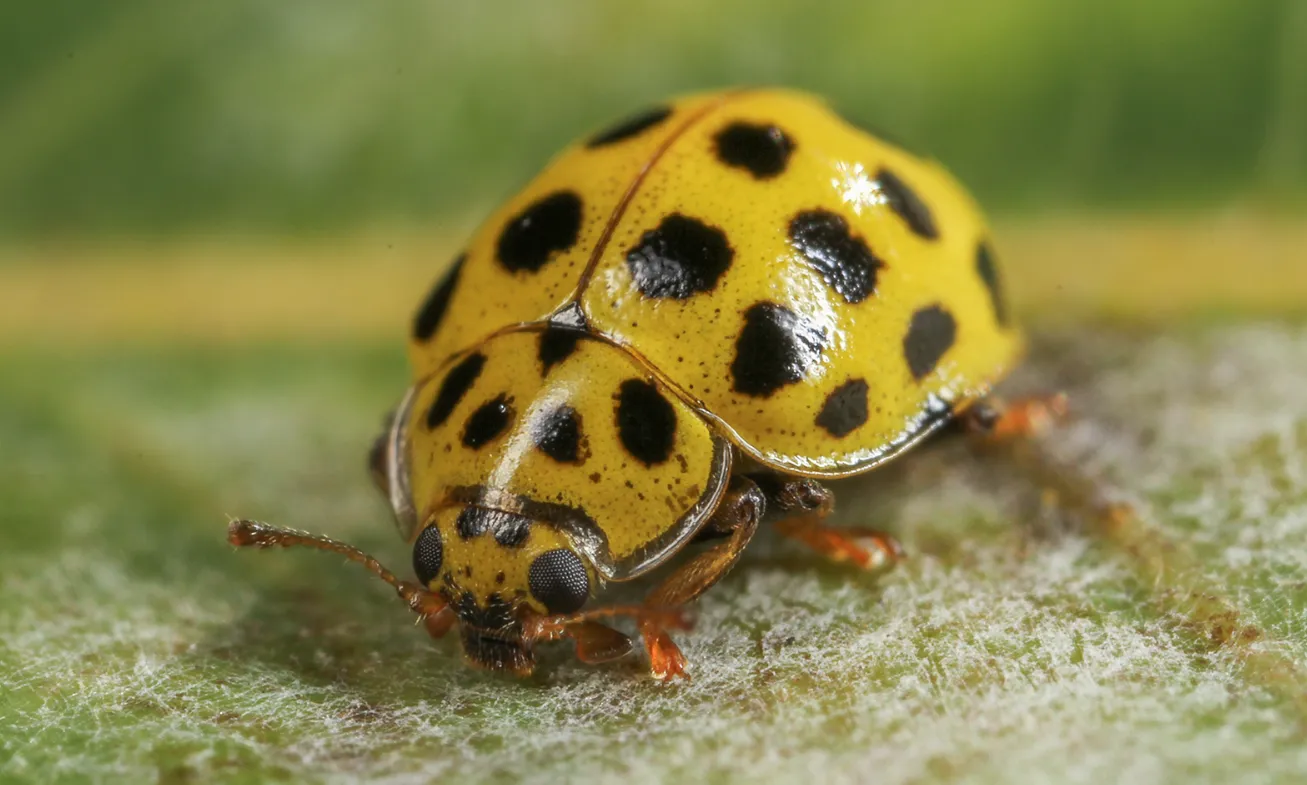
Ladybirds, also known as ladybugs, are small, colorful insects belonging to the Coccinellidae family. They are best recognized for their vibrant red or yellow bodies adorned with black spots, making them a familiar sight in gardens and natural landscapes. Their life cycle is an intriguing process that involves multiple stages, from egg to adult. This article explores the life cycle of a ladybird, shedding light on its stages, behaviors, and ecological significance.
Quick Answers:
- What is the life cycle of a ladybird?
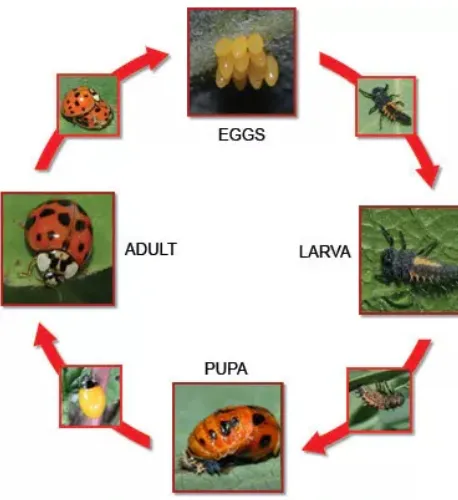
- The life cycle of a ladybird consists of four stages: egg, larva, pupa, and adult. Each stage has distinct characteristics and plays a vital role in the insect’s development.
- How long do ladybirds live?
- The average lifespan of a ladybird ranges from 1 to 2 years, depending on environmental conditions, food availability, and predators.
- What do ladybirds eat during their life cycle?
- Ladybird larvae and adults primarily feed on aphids, scale insects, and other small pests, helping control harmful insect populations in gardens and agricultural settings.
Quick Life Cycle Table
| Stage | Description | Duration |
| Egg | Small, round, yellow eggs laid by the female ladybird on leaves or stems. | 3-5 days |
| Larva | The larvae are predatory, with elongated, black bodies covered in spines. | 2-3 weeks |
| Pupa | A stationary stage where the larvae undergo metamorphosis into an adult. | 5-10 days |
| Adult | Fully developed ladybirds with their iconic red or yellow bodies and black spots. | 1-2 years |
The History of Their Scientific Naming
The scientific name of the ladybird is Coccinella septempunctata, derived from Latin. “Coccinella” refers to a small, round, scarlet beetle, and “septempunctata” indicates the seven spots commonly found on many species of ladybirds. Over the years, these beetles have gained a reputation as beneficial insects, as they are natural predators of pests such as aphids. Their role in biological pest control has made them beloved in both agriculture and home gardening.
Their Evolution and Their Origin
Ladybirds are believed to have evolved approximately 100 million years ago, during the Cretaceous period. Early ladybird species were likely predators of smaller insects, and they quickly adapted to feeding on aphids, which became abundant as flowering plants evolved. Their bright coloration, with red or yellow bodies and black spots, serves as aposematism, warning potential predators of their ability to secrete a toxic substance when threatened. This coloration likely evolved as a defense mechanism, deterring animals that might otherwise attempt to eat them.
Ladybirds are found worldwide, with the greatest diversity in temperate and tropical climates. They are especially abundant in regions with abundant aphid populations. Their ability to adapt to various ecosystems and climates has made them a widely recognized symbol of pest control.
Their Main Food and Its Collection Process
Ladybirds are voracious predators, particularly of aphids, which they consume in large quantities during their larval and adult stages. A single ladybird can eat hundreds of aphids daily, making it an effective natural pest control agent.
Food Collection Process:
- Foraging: Both adults and larvae actively seek out aphid colonies on plants.
- Predation: They use their mouthparts to grasp and feed on aphids.
- Larvae Hunting: The larvae, covered in spines, crawl across plant surfaces, using their highly sensitive antennae to detect aphids and other soft-bodied insects.
By preying on aphids, ladybirds significantly reduce the need for chemical pesticides in gardens and agriculture, contributing to a healthier ecosystem.
Their Life Cycle and Ability to Survive in Nature
Ladybirds are well-equipped to survive in various environments, from gardens to forests. Their life cycle allows them to adapt to seasonal changes, ensuring their population survives through both warm and cold periods.
Surviving the Cold
- During colder months, ladybirds enter a hibernation-like state known as diapause. They seek out sheltered areas, such as tree bark or leaf litter, to survive the winter. In spring, they emerge and resume feeding on aphids, beginning their life cycle anew.
Their Reproductive Process and Raising Their Children
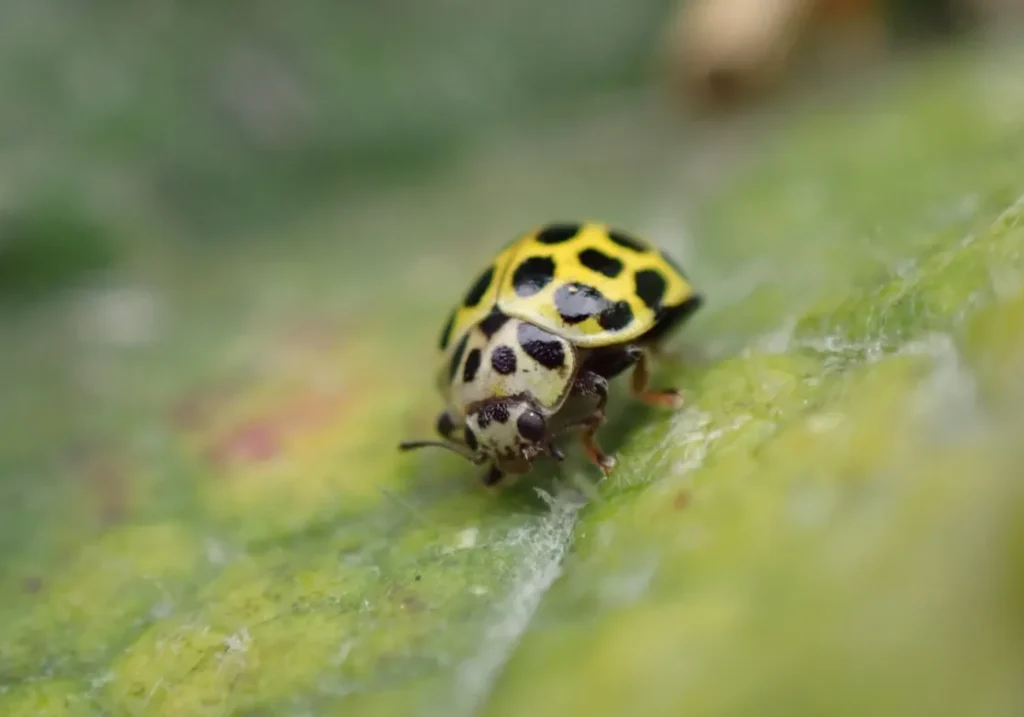
The reproductive process of ladybirds involves the mating of adult ladybirds, typically during the warmer months. After mating, the female lays clusters of eggs, often on the undersides of leaves, where aphids are abundant.
Raising the Next Generation:
- Egg Stage: After fertilization, the eggs hatch into larvae within a few days.
- Larval Stage: Larvae grow rapidly as they feed on aphids and other pests.
- Pupation: Once fully grown, the larvae pupate, eventually emerging as adult ladybirds.
The female typically lays multiple batches of eggs, ensuring the survival of her offspring, and continues her life cycle by feeding on pests to sustain herself and the next generation.
Importance of Them in This Ecosystem
Ladybirds play a crucial role in maintaining ecosystem health. By controlling aphid populations, they prevent overfeeding on plants, which can lead to the deterioration of plant health. Furthermore, they serve as a natural pest control solution, reducing reliance on chemical pesticides that can have negative environmental impacts.
Ecological Balance
- By consuming large quantities of aphids and other harmful insects, ladybirds help maintain a balanced food web, supporting plant health and encouraging biodiversity.
What to Do to Protect Them in Nature and Save the System for the Future
Ladybirds play a significant role in ecological balance, and it’s important to protect them and their habitats.
- Plant Diverse Gardens: Ladybirds thrive in gardens with a variety of plants, especially those that attract aphids.
- Avoid Pesticides: Use organic or natural pest control methods to prevent harming ladybird populations.
- Provide Shelter: Leave areas of your garden undisturbed to offer ladybirds a place to hibernate.
- Create Safe Spaces: Encourage the growth of flowering plants that provide nectar and other food sources for ladybirds.
By following these simple steps, you can help conserve ladybird populations and ensure their continued role in natural pest control.
Important Things That You Need to Know
- Ladybird vs. Ladybug: The term “ladybug” is commonly used in North America, while “ladybird” is more common in the UK. Both refer to the same insect species.
- Ladybird Deed: A term used in real estate law, not related to the insect, referring to a type of property deed.
- Ladybird Johnson: The name of a U.S. First Lady, unrelated to the insect, but shares the same name.
Frequently Asked Questions (FAQs)
- How long does a ladybird live?
- A ladybird can live from 1 to 2 years, depending on environmental conditions.
- Are ladybirds beneficial?
- Yes, ladybirds help control pests like aphids, making them beneficial for gardens and agriculture.
- What is the role of ladybirds in ecosystems?
- They act as natural pest controllers, keeping plant-eating insect populations in check.
- How do ladybirds protect themselves?
- Ladybirds secrete a foul-tasting liquid when threatened, deterring predators.
- Do ladybirds migrate?
- While some species may move in search of food, most ladybirds do not migrate over long distances.
- Can ladybirds harm plants?
- No, ladybirds are plant-friendly; they feed on pests that damage plants.
- Where do ladybirds live?
- Ladybirds are found in a variety of habitats, including forests, gardens, and agricultural fields.
- How can I attract ladybirds to my garden?
- Plant aphid-attracting plants and avoid using chemical pesticides to create a welcoming environment.
Conclusion
The life cycle of a ladybird is a remarkable journey, filled with fascinating transformations. From egg to adult, ladybirds play a vital role in maintaining ecosystem health by controlling pest populations.
By understanding their life cycle and importance, we can better appreciate these beneficial insects and take steps to protect them for the future. Whether you’re a gardener or simply an admirer of nature, ladybirds are a key ally in ensuring a balanced and healthy environment.
Also Read: bagworm life cycle