The life cycle of Plants is a fascinating journey that begins with a tiny seed and culminates in a fully mature plant, capable of reproduction. Plants are essential for life on Earth, providing oxygen, food, and shelter, and understanding their life cycle helps us appreciate their role in the ecosystem.
Quick Answers (Most Common Questions):
- What is the life cycle of a plant?
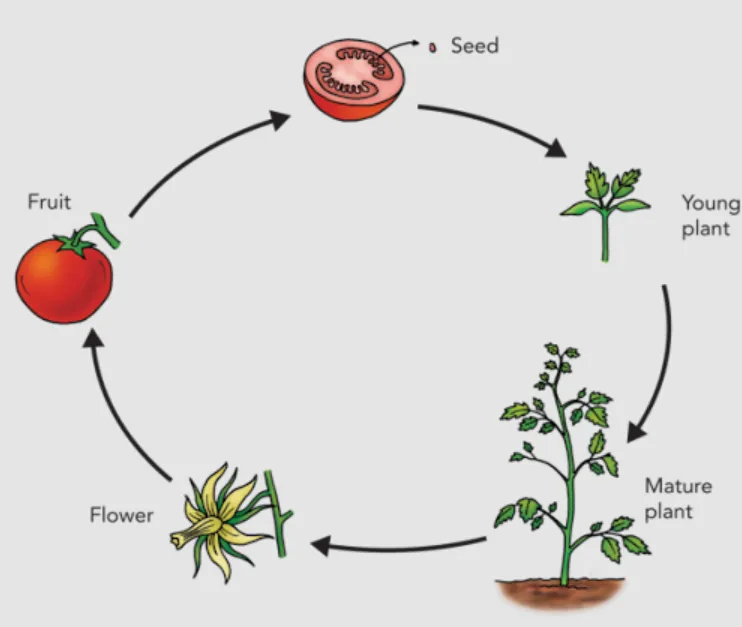
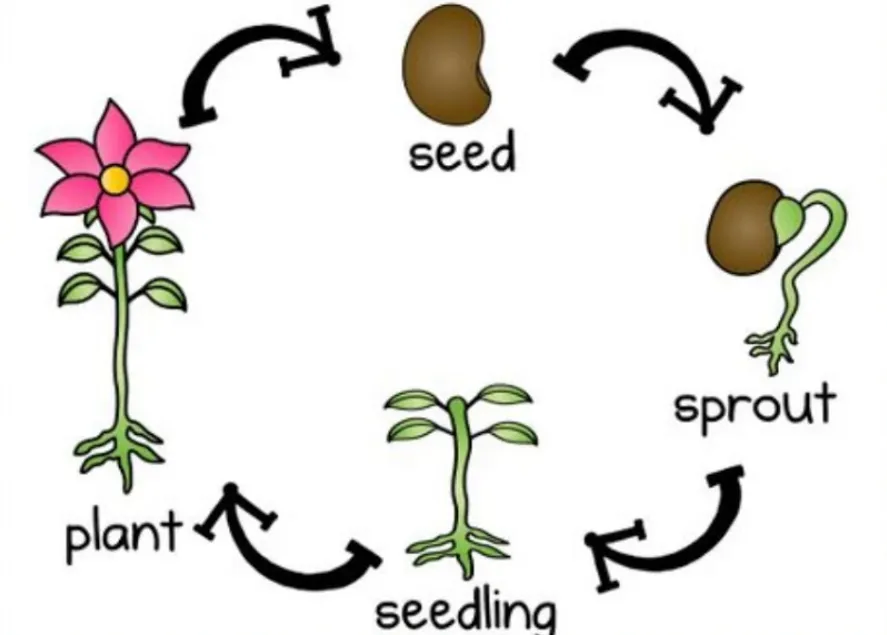
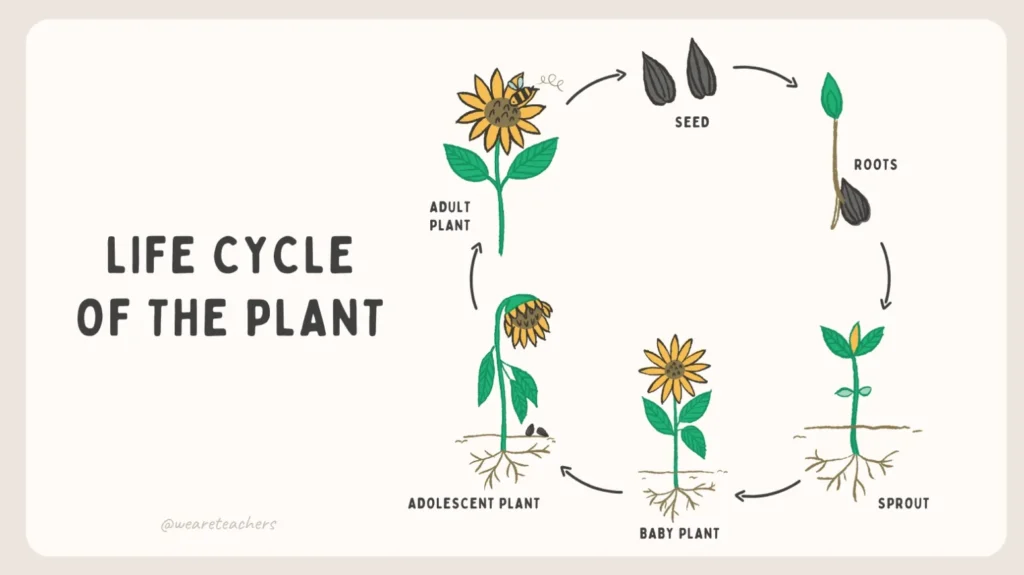
- The life cycle of a plant refers to the stages it goes through from germination through growth, reproduction, and eventually death. Most plants follow a pattern of seed → seedling → mature plant → flowering → seed production.
- How long does a plant’s life cycle last?
- The duration of a plant’s life cycle varies depending on the type. Annual plants complete their life cycle in one year, biennials in two, and perennials can survive and reproduce for many years.
- Why is understanding the plant life cycle important?
- Knowledge of the plant life cycle is crucial for agriculture, gardening, and conservation. It helps farmers plan planting and harvesting, supports biodiversity, and ensures ecosystems remain balanced.
The life cycle of plants is not just a scientific concept; it is the backbone of the food chain and the health of our environment. Observing these stages allows us to understand growth patterns, reproduction strategies, and survival mechanisms in nature.
Quick Life Cycle Table
| Stage | Description | Duration |
| Seed | The dormant stage stores nutrients for germination | Days to weeks |
| Germination | Seed sprouts and roots grow into the soil, and shoots emerge | 1–4 weeks |
| Seedling | A young plant develops leaves and stems and begins photosynthesis | 2–6 weeks |
| Mature Plant | Fully grown, capable of flowering and reproduction | Months–years |
| Flowering | Produces flowers, which attract pollinators | Weeks–months |
| Seed Production | Fertilized flowers produce seeds to continue the cycle | Weeks |
| Death/Decomposition | Old plant dies, nutrients return to the soil | Varies |
This table highlights the simplicity and elegance of plant growth. Each stage is critical for survival, reproduction, and the maintenance of ecosystems.
The History of Their Scientific Naming
The scientific naming of plants, or botanical nomenclature, is rooted in ancient traditions. The modern system was formalized by Carl Linnaeus in the 18th century, introducing a binomial system in which each plant has a genus and species name.
Key points in their scientific naming history:
- Ancient Classification: Early humans classified plants by appearance, taste, or medicinal use.
- Linnaean System: Linnaeus classified plants by reproductive organs, introducing Latin-based two-part names.
- Binomial Nomenclature: Each plant now has a genus (capitalized) and species (lowercase), e.g., Triticum aestivum (wheat).
- Global Standardization: Today, the International Code of Nomenclature ensures consistency worldwide.
- Evolution of Knowledge: Advances in genetics have refined naming, linking plants more accurately based on DNA than just physical traits.
Understanding the history of plant naming helps scientists communicate more effectively and study plant evolution.
Their Evolution and Their Origin
Plants have evolved over millions of years, adapting to diverse habitats from deserts to rainforests. They originated around 470 million years ago, with early forms like bryophytes (mosses) thriving in water-rich environments. Over time, plants evolved vascular systems, allowing them to grow taller and colonize land.
Key evolutionary stages:
- Bryophytes: Early non-vascular plants dependent on water for reproduction.
- Pteridophytes: Ferns and horsetails, with vascular tissue for nutrient transport.
- Gymnosperms: Seed-producing plants like conifers, adapting to drier climates.
- Angiosperms: Flowering plants, the most diverse group today, with pollinator-based reproduction.
Originating from aquatic ancestors, plants gradually transitioned to terrestrial habitats, developing roots, stems, leaves, and reproductive strategies suited to life on land. Their evolution was closely linked to environmental challenges, including changes in climate, soil, and water availability. Over time, the co-evolution with animals enhanced pollination and seed dispersal, leading to the rich diversity of species we see today.
Plants’ evolution demonstrates remarkable resilience and adaptation, making them integral to sustaining life on Earth.
Their Main Food and Its Collection Process
Plants produce food through photosynthesis, using sunlight, carbon dioxide, and water to create glucose, which fuels their growth. Leaves are the main site for this process, using chlorophyll to capture sunlight efficiently.
Steps in the food collection process:
- Light Absorption: Chlorophyll in leaves absorbs sunlight.
- Carbon Dioxide Intake: Stomata in leaves allow CO₂ entry.
- Water Uptake: Roots absorb water from the soil and transport it through xylem vessels.
- Glucose Production: Sunlight energy converts CO₂ and water into glucose via photosynthesis.
- Distribution: Phloem vessels transport glucose to growing parts like stems, roots, and flowers.
- Storage: Excess glucose is stored as starch in roots, stems, or fruits.
This process is not only vital for the plant but also supports herbivores and humans. Efficient food production determines plant survival, growth, and reproductive success. Some plants, like carnivorous species, also supplement their energy by capturing insects, adapting their food collection methods to nutrient-poor soils.
Their Life Cycle and Ability to Survive in Nature
Seed Germination and Early Growth
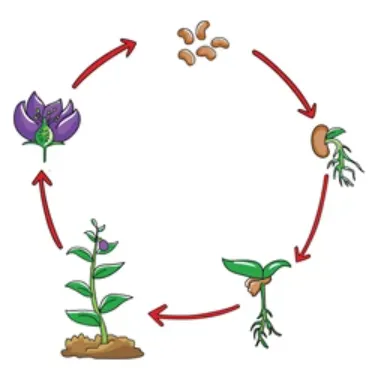
Plants begin their life cycle as seeds, which remain dormant until optimal conditions are met. Germination requires water, oxygen, and suitable temperatures. Once sprouted, seedlings grow rapidly, establishing roots and leaves.
Maturity and Reproduction
As plants mature, they develop reproductive organs such as flowers or cones. Pollination, fertilization, and seed production ensure the continuation of the species.
Adaptation and Survival
Plants adapt to their environment by evolving traits such as drought-resistant leaves, deep roots, and seasonal growth patterns. These adaptations increase their chances of surviving harsh conditions.
Natural Longevity
Perennials can live for decades, while annuals complete their life cycle within a single season. These varying life strategies allow plants to occupy diverse ecological niches, maintain biodiversity, and sustain ecosystems.
Their Reproductive Process and Raising Their Children
Plants reproduce sexually and asexually to ensure survival.
Sexual Reproduction:
- Pollination: Transfer of pollen from the male anther to the female stigma.
- Fertilization: Pollen fuses with the ovule to produce seeds.
- Seed Development: Fertilized seeds mature in fruits or cones.
- Seed Dispersal: Methods include wind, water, animals, or mechanical ejection.
Asexual Reproduction:
- Vegetative Propagation: Growth from stems, roots, or leaves (e.g., potato tubers, strawberry runners).
- Cloning: Produces genetically identical offspring, useful in stable environments.
Raising Their Children:
- Plants ensure survival by producing many seeds, protecting them with fruits or pods, and developing traits that enhance germination success. Some seeds remain dormant until conditions are favorable, maximizing survival rates.
Importance of Them in this Ecosystem
Oxygen Production
Plants generate oxygen through photosynthesis, supporting all aerobic life.
Food Source
They form the foundation of the food chain, providing nutrients to herbivores, omnivores, and humans.
Soil Protection
Roots prevent erosion, improve soil fertility, and maintain water balance.
Climate Regulation
Plants regulate temperature, humidity, and carbon dioxide levels, thereby mitigating the impacts of climate change.
Habitat Provision
They create homes for countless species, from insects to birds and mammals.
By maintaining ecological balance, plants contribute directly to the survival and well-being of every living organism on Earth.
Important Things That You Need To Know
LSI Keywords: plant development, seed germination, photosynthesis, pollination, plant reproduction
Plants are crucial not only for human survival but for the overall plant development cycle. From seed germination to maturity, they follow a systematic process that ensures their growth. Photosynthesis is central to their energy production, while pollination and seed dispersal are key aspects of plant reproduction. Understanding these terms is vital for students, gardeners, and environmentalists.
Conserving plants ensures the continuation of ecosystems, promotes biodiversity, and provides resources like food, medicine, and raw materials. Highlighting these aspects with LSI keywords naturally boosts SEO while educating readers in depth about plant biology.
What to Do to Protect Them in Nature and Save the System for the Future
- Afforestation & Reforestation: Plant more trees and restore degraded areas.
- Avoid Deforestation: Limit logging and agricultural land clearing.
- Use Sustainable Farming Practices: Reduce the use of chemical fertilizers and pesticides.
- Conserve Water: Prevent water stress on plants through efficient irrigation.
- Protect Natural Habitats: Safeguard forests, wetlands, and grasslands.
- Promote Native Planting: Plant local species suited to the environment.
- Educate Communities: Raise awareness of the importance of plants.
- Support Conservation Programs: Participate in tree-planting drives and botanical garden initiatives.
Frequently Asked Questions (FAQs)
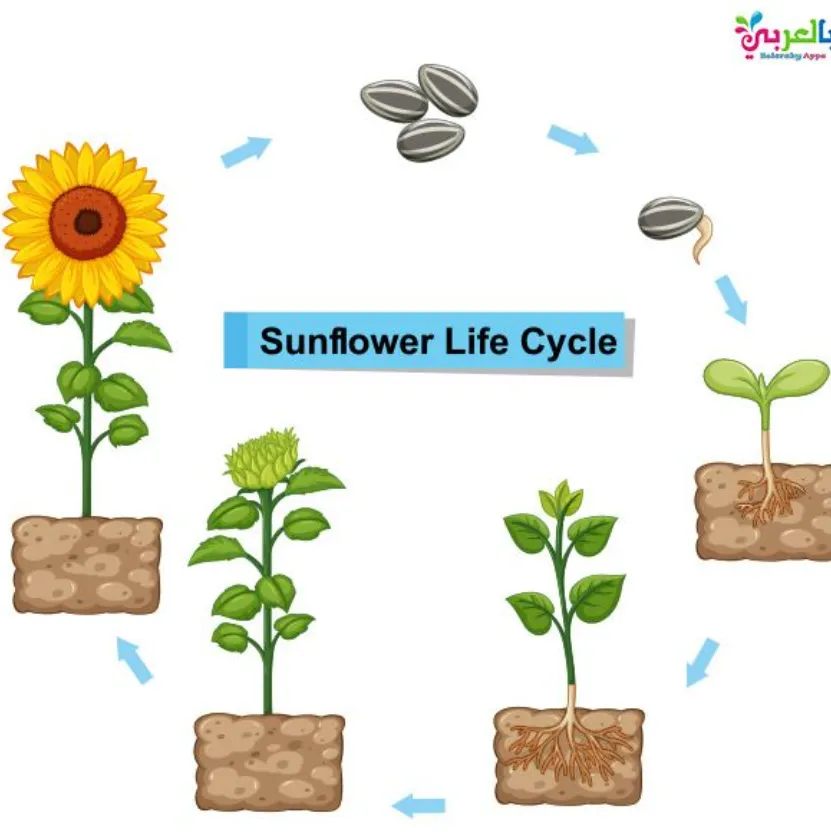
- What are the stages in the life cycle of plants?
- Seed → Germination → Seedling → Mature Plant → Flowering → Seed Production → Death.
- Do all plants produce flowers?
- No, gymnosperms produce seeds without flowers, while angiosperms are flowering plants.
- How do plants reproduce asexually?
- Through vegetative propagation (runners, tubers, or bulbs) or cloning.
- What factors affect the plant life cycle?
- Light, water, temperature, soil nutrients, and environmental stressors.
- Why is photosynthesis important in the life cycle?
- It provides energy for growth, reproduction, and survival.
- How long does a plant take to complete its life cycle?
- Varies: annuals (1 year), biennials (2 years), perennials (many years).
- Can plants survive extreme climates?
- Some plants adapt through drought-resistant leaves, deep roots, and seed dormancy.
- What role do plants play in the ecosystem?
- Oxygen production, food supply, climate regulation, and habitat creation.
Conclusion
The life cycle of plants is a remarkable journey that connects all forms of life. From tiny seeds to towering trees, plants sustain ecosystems, provide food, regulate climate, and enrich our environment. Understanding their growth, reproduction, and adaptation helps us protect biodiversity and promote sustainable living.
By conserving plants, supporting natural habitats, and encouraging responsible cultivation, we ensure that future generations inherit a healthy, green planet. Observing and respecting the life cycle of plants deepens our connection with nature and highlights the indispensable role plants play in maintaining ecological balance. Their survival is crucial not only for humans but also for the entire web of life on Earth.
Also Read: toxoplasma gondii life cycle