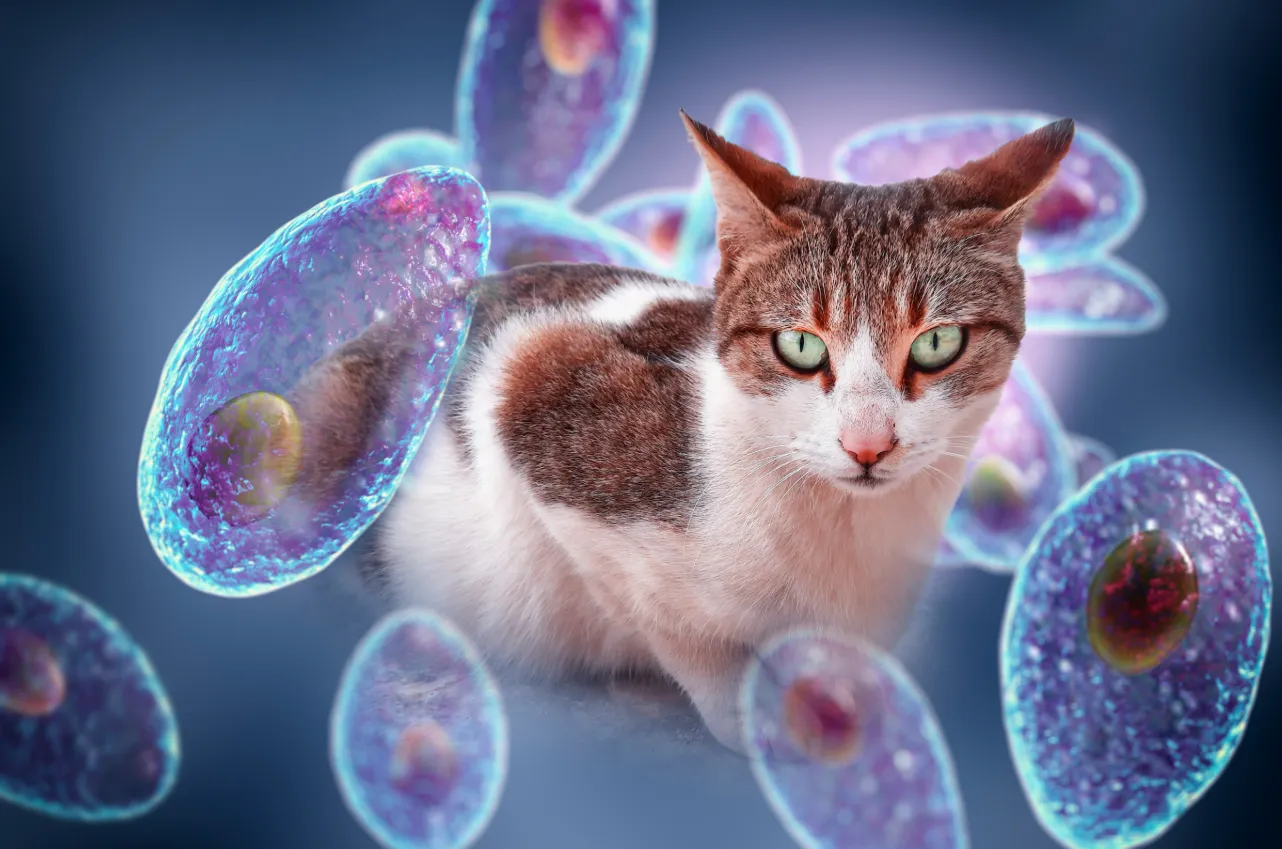
Toxoplasma gondii is a microscopic parasite that causes toxoplasmosis, a disease that can affect both humans and animals. It is one of the most common parasites worldwide and can infect a wide range of hosts, including warm-blooded animals such as humans, rodents, and livestock. In most cases, healthy individuals experience mild or no symptoms, but the parasite can cause severe complications in immunocompromised individuals, such as those with HIV/AIDS or pregnant women.
Quick Answers to Common Questions:
- What is Toxoplasma gondii?
- Toxoplasma gondii is a protozoan parasite that can infect humans and animals, often without symptoms. It is transmitted through contaminated food or water, or through contact with infected animals.
- How does it affect humans?
- In most healthy individuals, the parasite causes mild flu-like symptoms, but in immunocompromised individuals, it can lead to serious complications, such as brain inflammation and organ damage.
- Can Toxoplasma gondii affect pregnancy?
- Yes, if a pregnant woman becomes infected, it can result in congenital toxoplasmosis, which may cause congenital disabilities or miscarriage.
Quick Life Cycle Table
| Stage | Description |
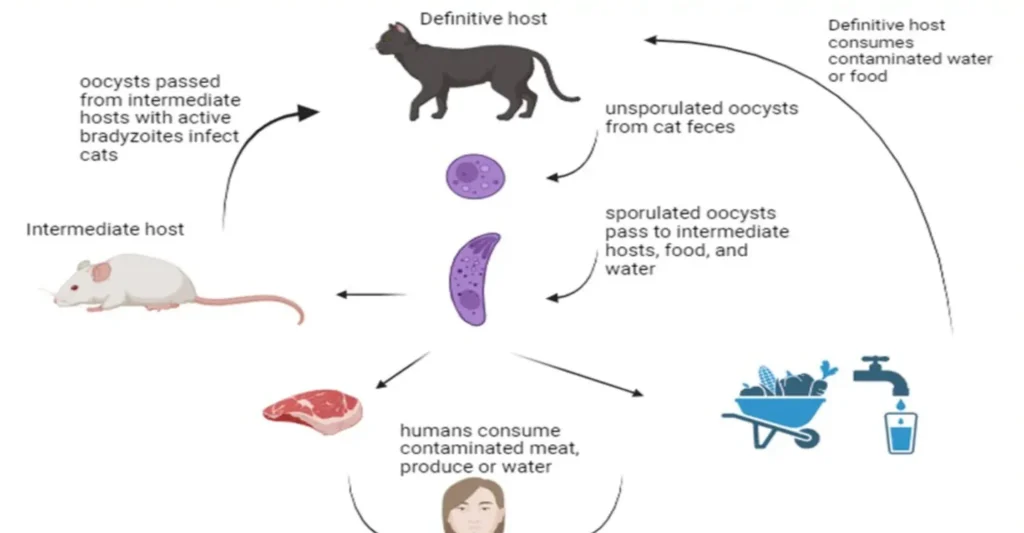
| Oocyst Stage | The oocyst is the egg-like form of Toxoplasma gondii, shed in the feces of infected cats. This is the infectious form that can contaminate food or water and can survive for months in the environment. |
| Tachyzoite Stage | This is the active, rapidly multiplying stage that invades the host’s tissues, such as muscle and brain. Tachyzoites are responsible for acute infection. |
| Bradyzoite Stage | Bradyzoites are slow-growing forms found in tissue cysts, typically in the brain and muscles, where they can persist for long periods. This stage is responsible for chronic infection. |
| Human Infection | Humans can be infected by consuming oocysts from contaminated food or water, or by handling infected animals. Once inside, the parasite moves through various life stages, including tachyzoites and bradyzoites. |
The History of Their Scientific Naming
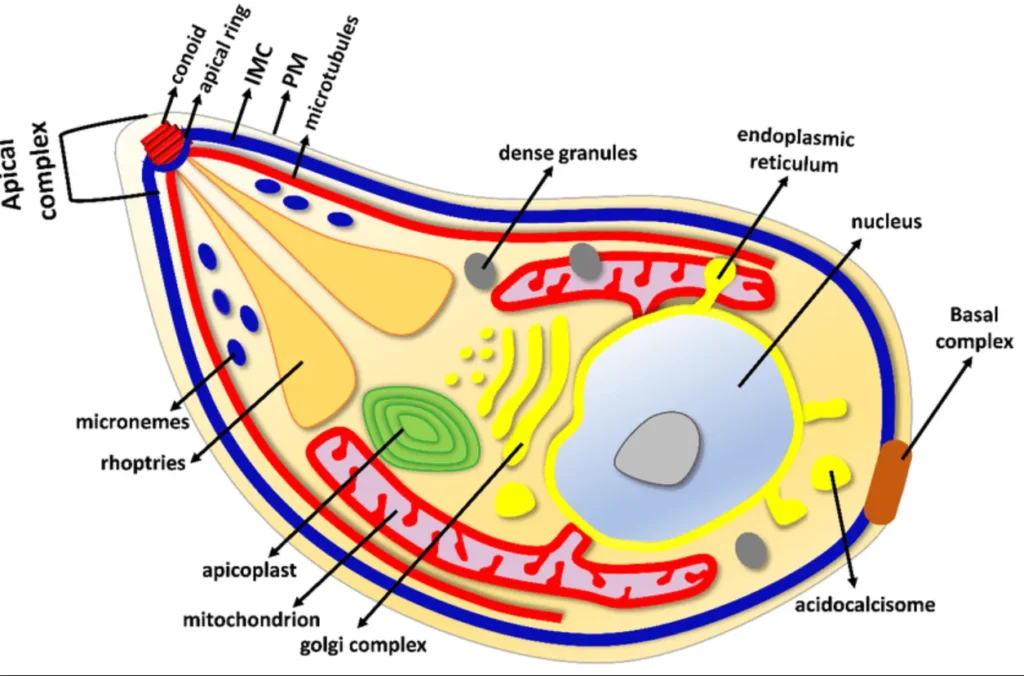
The parasite Toxoplasma gondii was first discovered in 1908 by Charles Nicolle and Louis Manceaux. The name “Toxoplasma” is derived from the Greek words “toxon” (bow) and “plasma” (form), referring to the organism’s bow-shaped appearance. “Gondii” refers to the Gondi region in Tunisia, where the parasite was first isolated in an infected rabbit. Over time, scientists have expanded their understanding of the parasite’s complex life cycle and its ability to infect a wide range of hosts, leading to better diagnostic and treatment methods.
Their Evolution and Origin
The evolutionary history of Toxoplasma gondii is complex and fascinating. It belongs to the Apicomplexa group, which includes other protozoans such as Plasmodium (the cause of malaria). The origin of Toxoplasma gondii can be traced back millions of years, with the parasite evolving to adapt to various host species, including cats, the primary definitive host. The ability of Toxoplasma to infect both warm-blooded animals and cold-blooded organisms demonstrates its evolutionary success as a parasite.
Under evolutionary pressure, the parasite has developed a unique ability to alter the behavior of infected rodents, making them less fearful of cats and increasing the likelihood that the cat will ingest the parasite. This interaction between parasite and host has been a crucial factor in the spread of Toxoplasma gondii.
Their Main Food and Its Collection Process
Toxoplasma gondii is an obligate intracellular parasite, meaning it must live within the cells of its host to survive. It primarily infects the cells of the intestines, muscles, and brain. The process of obtaining food for Toxoplasma involves invading the host cells, where it consumes the host’s resources, such as amino acids and other nutrients.
- In cats, the parasite matures in the cat’s intestines, where it reproduces and sheds oocysts in the feces. These oocysts contaminate the environment, leading to further infection.
- In Other Hosts: In humans and other intermediate hosts, Toxoplasma forms tissue cysts, especially in the brain and muscles, where it can remain dormant for long periods.
Their Life Cycle and Ability to Survive in Nature
The life cycle of Toxoplasma gondii is complex, involving multiple stages of development, each adapted to different environments.
- Oocyst Stage: The oocyst is the most resilient stage of the parasite, capable of surviving for months in the environment. It can persist in soil, water, or on surfaces, making it easy for animals and humans to become infected.
- Tachyzoite and Bradyzoite Stages: Once inside a host, Toxoplasma undergoes rapid multiplication as a tachyzoite. Over time, it transforms into bradyzoites, which are encased in cysts and can remain dormant for years. This ability to persist in its cyst form allows Toxoplasma to survive in nature, even in unfavorable conditions.
Their Reproductive Process and Raising Their Children
*The reproductive cycle of Toxoplasma gondii is a highly intricate process, mainly occurring in the intestines of cats. These definitive hosts play a key role in the parasite’s transmission. The process involves sexual reproduction: the parasite produces oocysts, which are excreted in the cat’s feces. These oocysts are highly resistant to environmental conditions, enabling the parasite to infect other animals, including humans.
In intermediate hosts, such as rodents and humans, Toxoplasma does not reproduce sexually but forms tissue cysts that contain dormant bradyzoites. These cysts can persist for years, and if a predator consumes the host, the cysts are passed on, continuing the life cycle.
Importance of Them in the Ecosystem
Toxoplasma gondii plays a crucial role in the ecosystems it inhabits, particularly in maintaining the balance between predator and prey. Its ability to alter the behavior of infected rodents, making them more likely to be preyed upon by cats, illustrates how parasites can influence the dynamics of food webs.
This manipulation of host behavior increases the parasite’s chances of reaching its definitive host, the cat. In addition, Toxoplasma helps regulate rodent populations, which, if left unchecked, could lead to overpopulation and ecosystem disruption.
What to Do to Protect Them in Nature and Save the System for the Future
Although Toxoplasma gondii is a parasite, it plays an important role in maintaining natural ecosystems. Here are a few key measures to help protect the balance of nature while managing its impact on human health:
- Prevention in Domestic Cats: Regular deworming can help reduce the spread of oocysts into the environment.
- Proper Hygiene Practices: Washing hands after handling raw meat or soil can prevent accidental transmission of oocysts.
- Avoid Contact with Feces: Avoid cleaning litter boxes without gloves, especially if you’re pregnant or immunocompromised.
- Public Health Campaigns: Educating communities on the dangers of Toxoplasma and how to avoid contamination can reduce infection rates.
Important Things That You Need To Know
Toxoplasma gondii can be an insidious parasite, as it often remains asymptomatic in most infected individuals. However, its impact on pregnant women and immunocompromised individuals can be devastating, making its management important in both healthcare and ecological contexts. Understanding the parasite’s life cycle, transmission routes, and effects on ecosystems is vital for preventing infections and protecting vulnerable populations.
- Toxoplasmosis and Pregnancy: Pregnant women are at risk for congenital toxoplasmosis, which can lead to congenital disabilities.
- Behavior Modification in Rodents: The parasite alters rodent behavior, increasing their likelihood of being preyed upon by cats.
- Control Measures for Humans: Ensuring proper food hygiene, avoiding contaminated water, and controlling cat populations can prevent infection.
Frequently Asked Questions (FAQs)
- How is Toxoplasma gondii transmitted to humans?
- It is transmitted through contaminated food or water, or through contact with infected animals.
- What are the symptoms of toxoplasmosis?
- Symptoms can range from mild flu-like symptoms to severe neurological problems, especially in immunocompromised individuals.
- Can toxoplasmosis affect pregnancy?
- Yes, if a pregnant woman becomes infected, it can cause congenital toxoplasmosis, leading to congenital disabilities or miscarriage.
- Can Toxoplasma be found in raw meat?
- Yes, Toxoplasma can be present in undercooked meat from infected animals.
- How long can Toxoplasma survive in the environment?
- The oocyst stage of the parasite can survive for several months in soil, water, and on surfaces.
- What is the role of cats in the life cycle of Toxoplasma gondii?
- Cats are the definitive hosts, where the parasite reproduces and sheds oocysts into the environment.
- Can Toxoplasma gondii be treated?
- Yes, there are medications available to treat toxoplasmosis, especially in severe cases.
- What precautions should be taken to prevent infection?
- Regular handwashing, cooking meat thoroughly, and avoiding contact with cat feces can help prevent infection.
Conclusion
Toxoplasma gondii is a fascinating yet potentially dangerous parasite that impacts both human health and the environment. Its ability to survive in various hosts, its complex life cycle, and its impact on ecosystems highlight the need for a balanced approach to managing the parasite.
By understanding its biology and adopting preventative measures, we can reduce its spread and ensure that ecosystems remain balanced while protecting human health.
Also Read: tomato bug life cycle