Dolphins are among the most intelligent and fascinating marine mammals on Earth. Understanding the life cycle of a dolphin helps us appreciate their complex behavior, survival strategies, and role in ocean ecosystems. From birth to adulthood, dolphins undergo several unique developmental stages shaped by their environment and social structure.
Unlike many marine creatures, dolphins are mammals, meaning they give birth to live young, nurse their babies, and exhibit advanced communication skills. Their life cycle is deeply connected to their pod (social group), making their survival highly dependent on cooperation and intelligence.
🔹 Quick Answers (Most Common Questions)
1. What are the stages in the life cycle of a dolphin?
A dolphin’s life cycle includes birth (calf), juvenile stage, adolescence, and adulthood, followed by aging.
2. How long do dolphins live?
Most dolphins live between 20 and 50 years, depending on species, with some reaching over 60 years.
3. Do dolphins stay with their mothers?
Yes, dolphin calves stay with their mothers for 3–6 years to learn survival skills.
Quick Life Cycle Table
| Stage | Age Range | Key Characteristics |
| Birth (Calf) | 0–1 year | Dependent on mother, learns swimming & breathing |
| Juvenile | 1–5 years | Begins socializing, learning hunting skills |
| Adolescent | 5–10 years | Gains independence, develops strength |
| Adult | 10+ years | Reproduction, leadership roles in pod |
| Aging | 30+ years | Slower movement, relies on experience |
The History Of Their Scientific Naming
The scientific naming of dolphins has evolved over centuries as marine biology developed.
- Dolphins belong to the family Delphinidae, derived from the Greek word delphis, meaning “womb” or “fish with a womb,” highlighting their mammalian nature.
- Early 18th-century naturalists classified dolphins as fish because of their aquatic habitat.
- Later, scientists like Carl Linnaeus corrected this classification, placing dolphins under mammals in his taxonomic system.
- The bottlenose dolphin, scientifically known as Tursiops truncatus, is one of the most studied species worldwide.
- Different species, such as river and ocean dolphins, are classified within the order Cetacea.
This scientific naming history reflects humanity’s growing understanding of dolphins as intelligent marine mammals rather than simple fish.
Their Evolution And Their Origin
Dolphins have a remarkable evolutionary history that dates back over 50 million years. Surprisingly, their ancestors were land-dwelling mammals that gradually adapted to aquatic life.
Early ancestors like Pakicetus lived near water and had features of both land mammals and marine animals. Over millions of years, evolutionary changes led to streamlined bodies, flippers, and tail flukes, allowing efficient swimming.
As these creatures adapted, they developed echolocation—a biological sonar system—enabling them to navigate and hunt in deep waters. This adaptation became a key survival advantage in oceans with limited visibility.
Dolphins belong to the order Cetacea, which also includes whales and porpoises. Their transition from land to sea is considered one of the most significant evolutionary transformations in the animal kingdom.
Modern dolphins evolved into highly social animals, forming pods that enhance survival through cooperation. Their intelligence, communication skills, and adaptability have made them one of the most successful marine species.
Today, dolphins inhabit oceans worldwide and some freshwater rivers, showcasing their evolutionary versatility.
Their main food and its collection process
Dolphins are carnivorous and feed on a variety of marine organisms. Their feeding habits vary depending on species and habitat.
🔹 Main Food Sources
- Fish (herring, sardines, mackerel)
- Squid and octopus
- Crustaceans (in some species)
🔹 Food Collection Process
- Echolocation Hunting: Dolphins use sound waves to locate prey even in dark or murky waters.
- Herding Technique: They work in groups to surround fish schools, making them easier to catch.
- Bubble Net Feeding: Some dolphins create bubbles to trap fish in tight circles.
- Strand Feeding: In rare cases, dolphins push fish onto shore to capture them.
- Cooperative Hunting: Pods coordinate movements to maximize efficiency.
Their advanced hunting strategies demonstrate intelligence and teamwork, making them highly effective predators in marine ecosystems.
Their life cycle and ability to survive in nature
🐬 Birth and Early Life
Dolphin calves are born tail-first to prevent drowning. They immediately learn to swim and surface for air.
🐬 Growth and Learning
Young dolphins stay close to their mothers, learning communication, hunting, and social skills essential for survival.
🐬 Social Structure
Dolphins live in pods, which protect them from predators like sharks and orcas.
🐬 Adaptation Skills
- Echolocation for navigation
- High intelligence for problem-solving
- Strong communication abilities
🐬 Survival Challenges
- Climate change
- Ocean pollution
- Human activities like fishing
Despite these challenges, dolphins have adapted remarkably well, thanks to their intelligence and social behavior.
Important Things That You Need To Know
Dolphins are not only biologically fascinating but also culturally and scientifically significant. Here are some key insights related to LSI keywords:
The concept of dolphin radar refers to their echolocation ability, which works like a natural sonar system. Dolphins emit sound waves that bounce off objects, helping them detect prey and navigate underwater environments with incredible precision.
The tragic Byford Dolphin incident is often discussed in marine safety contexts. Although not directly related to dolphin biology, it highlights the importance of underwater safety and pressure management in marine environments.
The pink dolphin, also known as the Amazon river dolphin, is unique due to its distinct coloration and freshwater habitat. It is considered one of the most unusual dolphin species in the world.
The term “Dolphin Mall” may seem unrelated, but it shows how dolphins influence culture and branding globally. Dolphins are often associated with intelligence, friendliness, and beauty.
Even creative expressions like dolphin drawings reflect human fascination with these animals, which are often used in education and art to teach about marine life.
Understanding these aspects enhances our overall appreciation of dolphins beyond their biological life cycle.
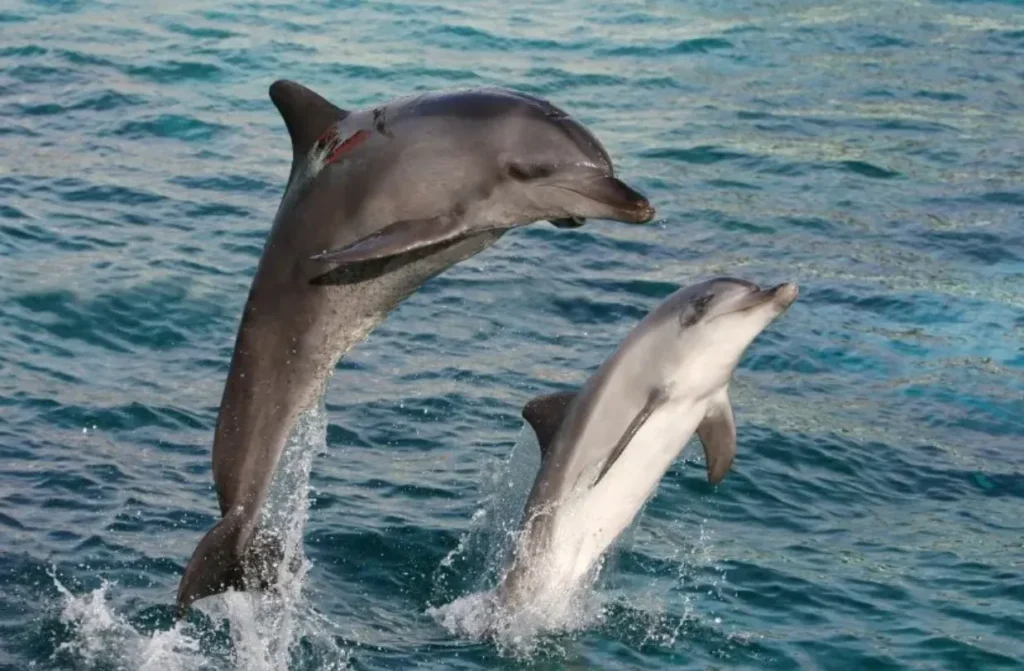
Their Reproductive Process and raising their children
Dolphins have a complex reproductive system that emphasizes care and learning.
🔹 Reproductive Process
- Dolphins reproduce sexually, with internal fertilization.
- Gestation lasts about 9–17 months, depending on species.
- Usually, a single calf is born at a time.
🔹 Raising Their Young
- Mothers nurse calves with nutrient-rich milk.
- Calves stay with their mothers for several years.
- Pods help protect and guide young dolphins.
- Calves learn hunting, communication, and survival skills through observation.
🔹 Social Learning
Dolphins are among the few animals that exhibit cultural learning, passing knowledge across generations.
This strong maternal bond ensures high survival rates for dolphin calves.
The importance of them in this Ecosystem
🐬 Maintaining Food Chain Balance
Dolphins regulate fish populations, preventing overpopulation and maintaining ecosystem stability.
🐬 Indicator Species
Their health reflects the condition of marine ecosystems, making them vital indicators.
🐬 Supporting Biodiversity
By controlling prey species, dolphins indirectly support marine Biodiversity.
🐬 Ecotourism Value
Dolphins attract tourism, supporting local economies and conservation efforts.
🐬 Cultural and Scientific Importance
They inspire research in communication, intelligence, and marine conservation.
Dolphins play a crucial role in maintaining healthy, balanced ocean ecosystems.
What to do to protect them in nature and save the system for the future
- Reduce plastic use to prevent ocean pollution
- Support marine conservation organizations
- Avoid products that harm marine life
- Promote sustainable fishing practices
- Educate others about dolphin conservation
- Support laws protecting marine habitats
- Participate in beach clean-up programs
- Reduce carbon footprint to combat climate change
- Avoid disturbing dolphins in the wild
- Encourage eco-friendly tourism
Protecting dolphins means protecting the entire marine Ecosystem.
Frequently Asked Questions (FAQs)
1. What is the life cycle of a dolphin?
It includes birth, juvenile, adolescent, adult, and aging stages.
2. How long do dolphins stay with their mothers?
Typically 3–6 years.
3. Are dolphins mammals or fish?
They are mammals.
4. What do dolphins eat?
Fish, squid, and crustaceans.
5. How do dolphins communicate?
Through clicks, whistles, and body language.
6. Where do dolphins live?
In oceans worldwide and some rivers.
7. How do dolphins hunt?
Using echolocation and teamwork.
8. Why are dolphins important?
They maintain ecosystem balance and indicate ocean health.
Conclusion
The life cycle of a dolphin is a fascinating journey shaped by intelligence, social bonds, and environmental adaptation. From vulnerable calves to skilled adult hunters, dolphins demonstrate remarkable resilience and cooperation throughout their lives.
Their evolutionary history, complex reproductive behavior, and advanced communication systems make them one of the most extraordinary species in the ocean. Beyond biology, dolphins play a critical role in maintaining marine ecosystems and supporting Biodiversity.
However, increasing threats such as pollution, climate change, and human interference underscore the urgent need for conservation. Protecting dolphins is not just about saving a species—it’s about preserving the balance of our oceans for future generations.
By understanding their life cycle and importance, we can take meaningful steps to ensure these intelligent creatures continue to thrive in the wild.
Also Read: life cycle of a cicada