Aphids are tiny, soft-bodied insects commonly found on plants, and understanding the aphid’s life cycle is essential for gardeners, farmers, and nature enthusiasts. These small pests may seem harmless at first glance, but their rapid reproduction and feeding habits can significantly impact plant health.
Aphids, including black aphids and woolly aphids, feed by sucking sap from plants, weakening them over time. Despite their size, they play a surprisingly complex role in ecosystems. Their life cycle is unique compared to many insects because they can reproduce both sexually and asexually, allowing them to multiply rapidly under favourable conditions.
Quick Answers (Most Common Questions)
1. How long is the aphid life cycle?
The aphid life cycle can be as short as 1–2 weeks, depending on environmental conditions.
2. Do aphids lay eggs or give birth?
Aphids can do both. They reproduce asexually by giving live birth and sexually by laying eggs.
3. Why do aphids multiply so fast?
Aphids reproduce without mating (parthenogenesis), allowing rapid population growth.
Quick Life Cycle Table
| Stage | Description | Duration |
| Egg Stage | Overwintering eggs on plants | Winter months |
| Nymph Stage | Immature aphids that resemble adults | 4–10 days |
| Adult Stage | Fully developed aphids capable of reproduction | 2–4 weeks |
| Reproduction | Asexual (spring/summer) & sexual (fall) | Continuous cycle |
| Winged Form | Develops when overcrowded or stressed | As needed |
The History Of Their Scientific Naming
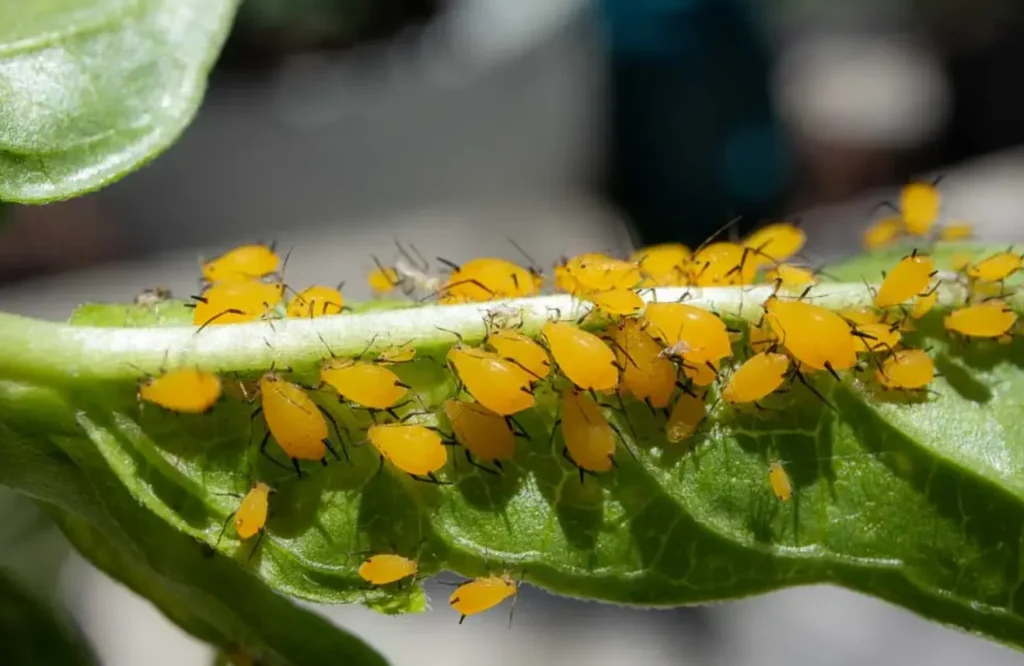
Aphids belong to the superfamily Aphidoidea, a group of small sap-sucking insects within the order Hemiptera. Their scientific classification has evolved as entomologists studied their structure, behaviour, and genetic makeup.
- The term “aphid” originates from the Greek word aphis, meaning “plant louse.”
- Early naturalists grouped aphids based on their plant-feeding behaviour rather than on their anatomy.
- With advancements in microscopy, scientists identified unique features, such as cornicles (tube-like structures on their abdomens).
- Aphids are now classified into over 5,000 species worldwide, including woolly aphids known for their waxy coating.
- Modern taxonomy uses DNA analysis to understand relationships among species better.
This scientific evolution has helped researchers understand how aphids adapt, reproduce, and spread across ecosystems.
Their Evolution And Their Origin
Aphids have a long evolutionary history dating back over 250 million years. Fossil records suggest they originated during the late Palaeozoic era, making them among the oldest groups of plant-feeding insects.
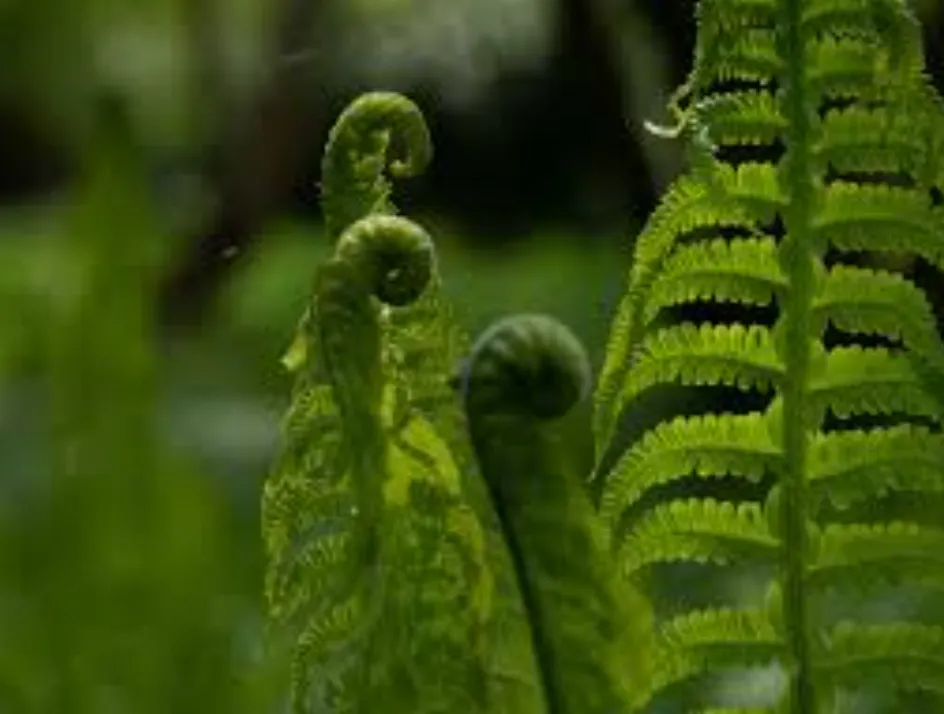
Initially, aphids fed on primitive plants such as ferns. As flowering plants evolved, aphids adapted alongside them, developing specialised mouthparts to extract plant sap. This co-evolution allowed aphids to diversify rapidly and colonise a wide variety of plants.
One of the most fascinating aspects of aphid evolution is their ability to switch between sexual and asexual reproduction. This adaptation ensures survival in both stable and changing environments. During favourable seasons, they reproduce quickly without mating. In harsher conditions, they produce eggs that can withstand cold temperatures.
Aphids also developed symbiotic relationships with bacteria, which help them digest plant sap and obtain essential nutrients. This mutualistic relationship has been crucial for their survival over millions of years.
Today, aphids are found worldwide and are especially common on crops. Their evolutionary success is largely due to their adaptability, rapid reproduction, and efficient exploitation of plant resources.
Important Things That You Need To Know
Understanding aphids goes beyond their life cycle. Here are some essential facts about LSI keywords: aphids, aphids on plants, how to get rid of aphids, black aphids, and woolly aphids.
Aphids are among the most common pests found on plants. They attack leaves, stems, and even roots by sucking sap, weakening the plant and causing leaves to curl or yellow.
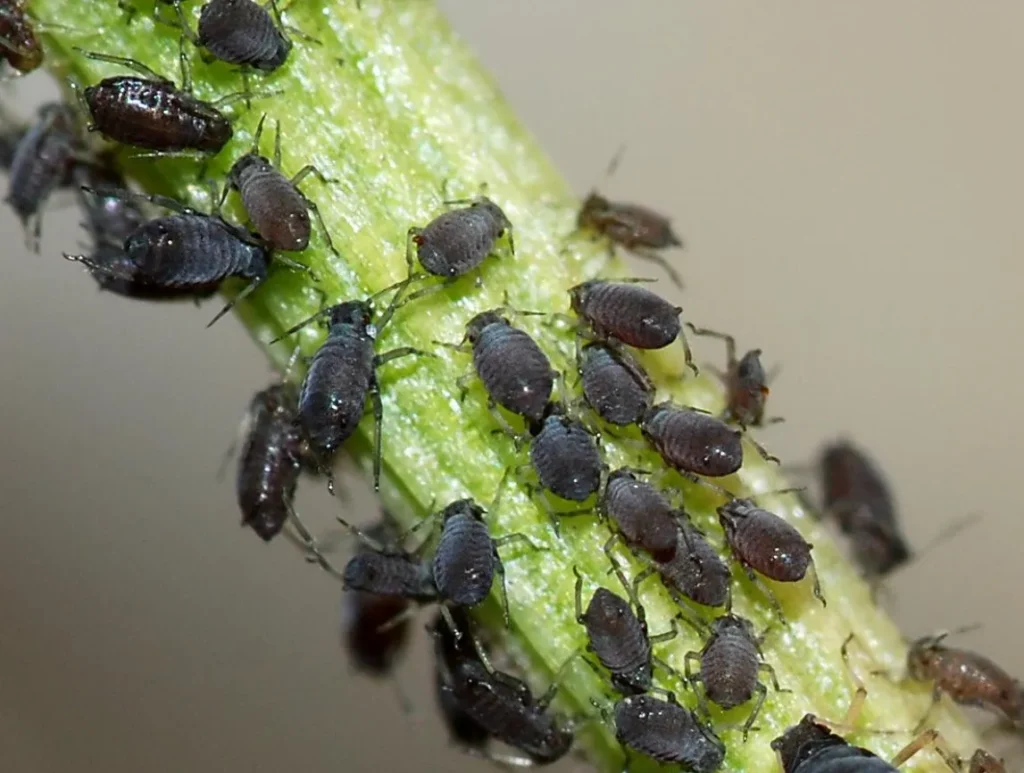
Black aphids are particularly harmful because they often form dense colonies. Meanwhile, woolly aphids are covered in a cotton-like substance that protects them from predators.
When dealing with aphids on plants, early detection is key. They can spread quickly and attract ants, which feed on the honeydew they produce. This sticky substance can also lead to mould growth.
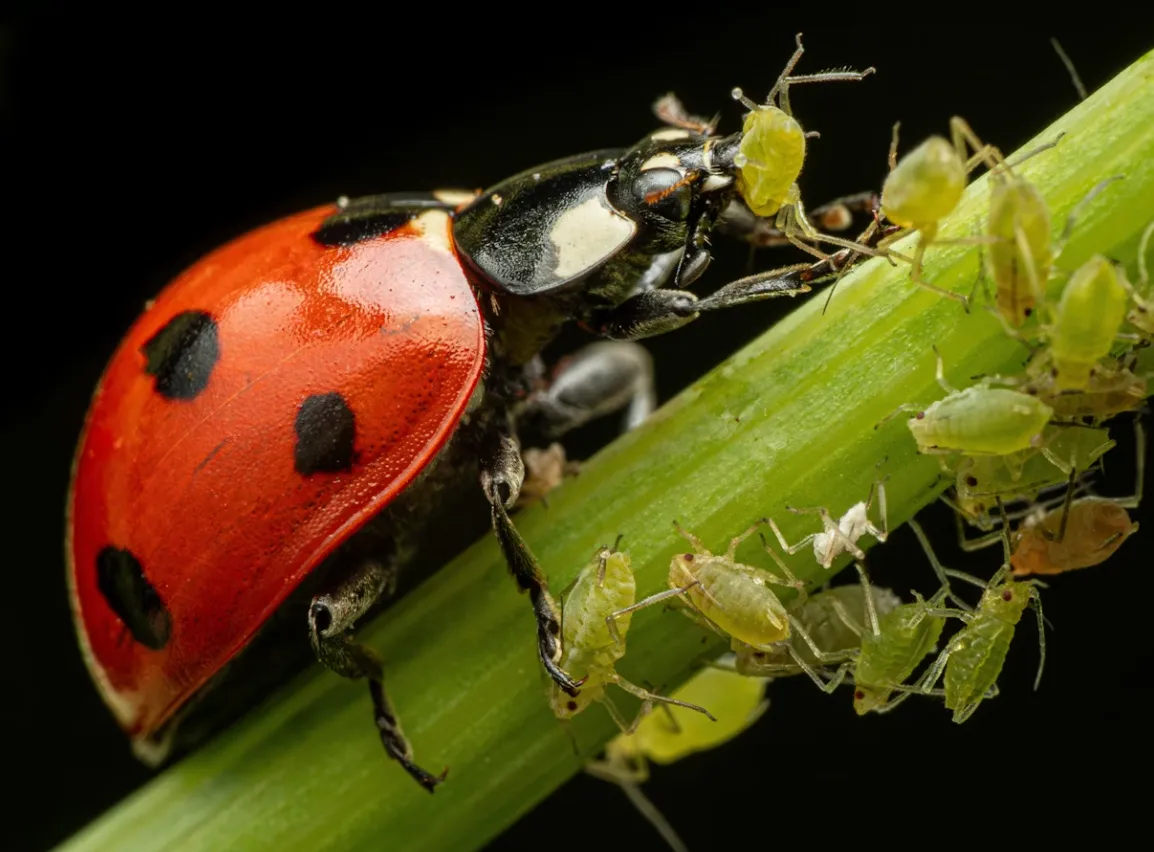
Many people search for ways to get rid of aphids, and the solutions often involve natural predators like ladybugs, neem oil sprays, or simply washing them off with water.
Understanding these factors helps in managing aphid populations effectively while maintaining ecological balance.
Their Main Food and Its Collection Process
Aphids primarily feed on plant sap, which they extract using specialised mouthparts known as stylets. This feeding process is both efficient and damaging to plants.
- Aphids pierce plant tissues with their needle-like mouthparts.
- They tap into the phloem, the plant’s nutrient transport system.
- Sap is rich in sugars but low in protein, so aphids consume large amounts of it.
- Excess sugar is excreted as honeydew, attracting ants.
The feeding process can significantly weaken plants, leading to stunted growth and reduced yields. Aphids prefer young, tender plant parts where sap flow is high.
Interestingly, aphids do not need to search extensively for food. Once they find a suitable plant, they remain there and reproduce rapidly. This stationary feeding habit contributes to the formation of large colonies.
Their Life Cycle and Ability to Survive in Nature
Egg Stage
In colder climates, aphids lay eggs during autumn. These eggs survive harsh winter conditions and hatch in spring.
Nymph Stage
Nymphs resemble smaller versions of adults. They moult several times before reaching maturity, usually within a week.
Adult Stage
Adult aphids are capable of rapid reproduction. Most are females that reproduce without mating during warm seasons.
Winged Aphids
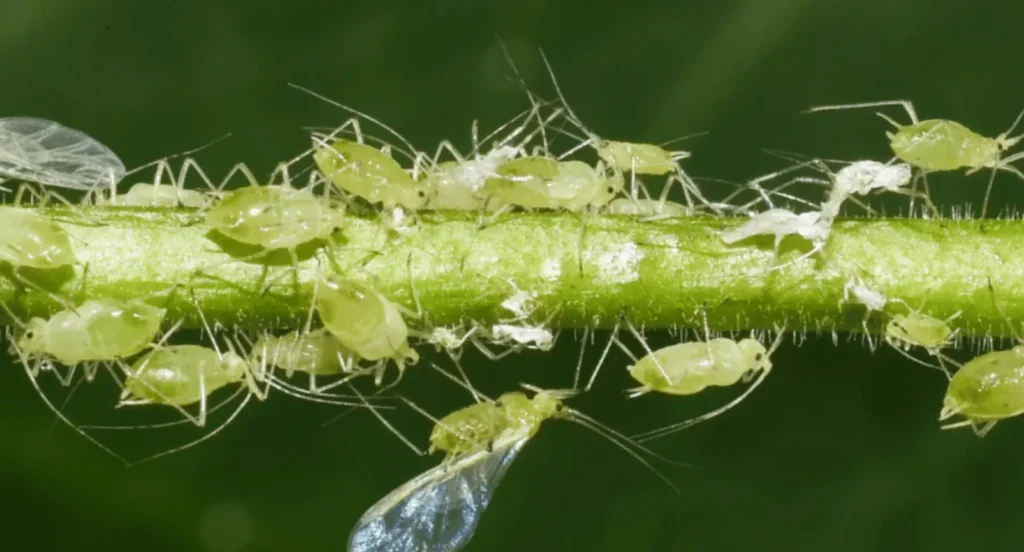
When populations become overcrowded or food is scarce, some aphids develop wings and migrate to new plants.
Aphids survive due to their adaptability, rapid life cycle, and ability to reproduce in multiple ways.
Their Reproductive Process and Raising Their Children
Aphids have one of the most unique reproductive systems in the insect world. Their ability to switch between reproduction methods ensures rapid population growth.
- Parthenogenesis: Female aphids give birth to live offspring without mating.
- Viviparity: Young aphids are born alive instead of hatching from eggs.
- Telescoping generations: Aphids can carry embryos that already contain developing embryos.
- Sexual reproduction: Occurs in autumn to produce eggs for overwintering.
Aphids do not provide parental care. However, their reproductive strategy ensures survival through sheer numbers.
Importance of Them in this Ecosystem
Food Source for Predators
Aphids serve as food for many insects, including ladybugs, lacewings, and birds.
Role in Nutrient Cycling
Their honeydew contributes to microbial growth, which helps recycle nutrients.
Indicator Species
Aphid populations can indicate plant health and environmental conditions.
Mutualism with Ants
Ants protect aphids in exchange for honeydew, forming a unique ecological relationship.
What to do to protect them in nature and save the system for the future
- Encourage natural predators like ladybugs and birds
- Avoid excessive pesticide use
- Maintain plant diversity in gardens
- Use organic pest control methods
- Support ecological farming practices
- Monitor aphid populations regularly
- Protect natural habitats
Balancing control and conservation is key to sustaining ecosystems.
Frequently Asked Questions (FAQs)
1. What are aphids?
Aphids are small sap-sucking insects that feed on plants.
2. How fast do aphids reproduce?
They can reproduce in just a few days, leading to rapid population growth.
3. Are aphids harmful to plants?
Yes, they weaken plants by sucking sap and spreading diseases.
4. What attracts aphids to plants?
Young, tender plant growth attracts aphids.
5. How can I identify aphids?
They are small, soft-bodied insects often found in clusters on plants.
6. Do aphids have wings?
Some develop wings when conditions require migration.
7. Can aphids survive winter?
Yes, they survive as eggs during cold months.
8. How to get rid of aphids naturally?
Use neem oil, water sprays, or introduce natural predators.
Conclusion
The aphid’s life cycle is a fascinating example of nature’s adaptability and efficiency. From eggs to rapidly reproducing adults, aphids demonstrate remarkable survival strategies that have allowed them to thrive for millions of years.
Their ability to reproduce both sexually and asexually, combined with their fast development, makes them one of the most successful insect groups. While they are often considered pests, aphids also play a vital role in ecosystems by supporting food chains and contributing to nutrient cycling.
Understanding their life cycles helps manage their populations effectively, especially in agriculture and gardening. By balancing control methods with ecological awareness, we can protect plants while maintaining biodiversity.
Also Read About: american cockroach life cycle