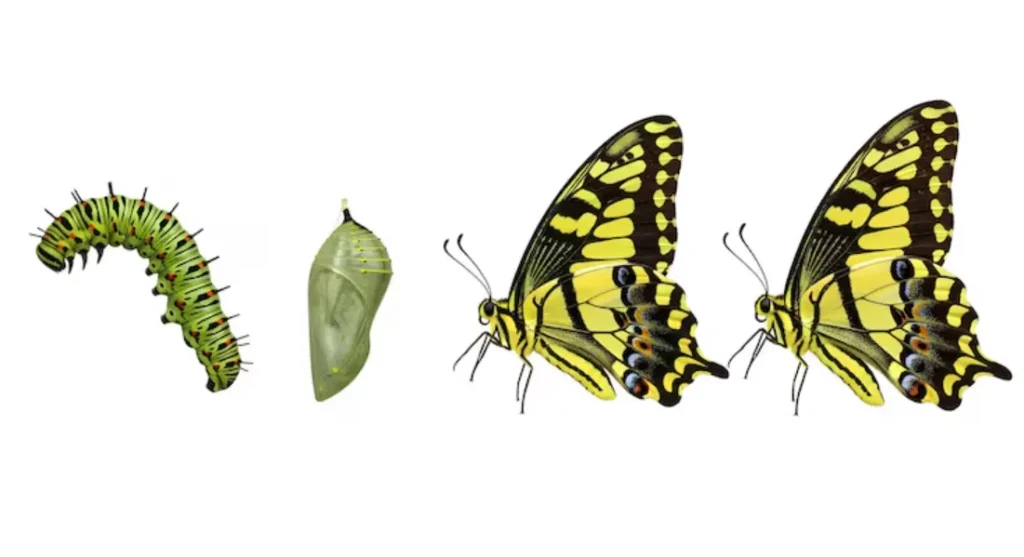
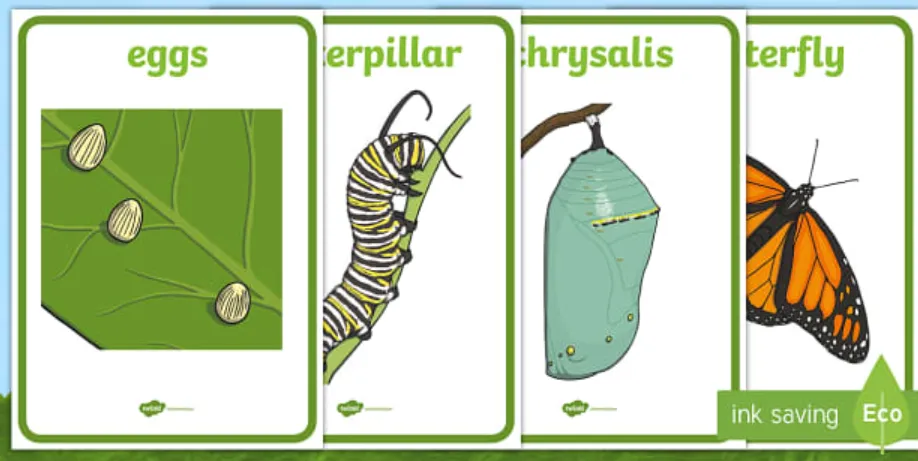
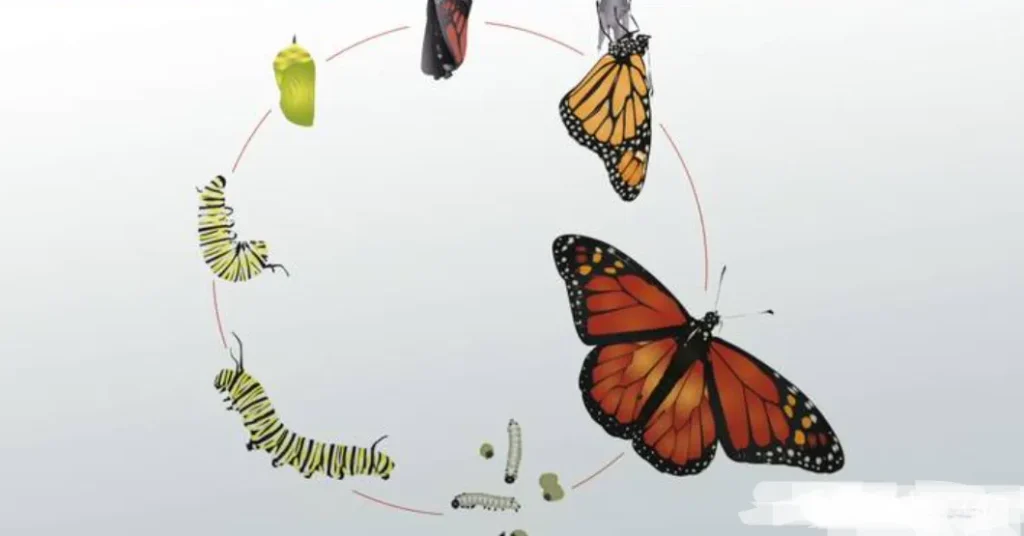
The life cycle of a moth is one of the most fascinating examples of complete metamorphosis in nature. A moth does not grow into an adult by simply becoming bigger. Instead, it changes through four clear stages: egg, larva, pupa, and adult moth. Each stage has a different body form, feeding habit, survival strategy, and purpose.
Moths belong to the insect order Lepidoptera, the same order as butterflies. This group is known for insects with scaly wings, and it includes thousands of species worldwide. Understanding the life cycle of a moth helps us see why moths are important for pollination, food chains, soil health, and biodiversity.
Some moths, such as the luna moth, hummingbird moth, rosy maple moth, and atlas moth, are famous for their beauty and ecological value. Others are known because their caterpillars feed on plants, leaves, stored grains, or fabrics.
Quick Answers: Most Common Questions
Q: What are the four stages in the life cycle of a moth?
A: The four stages are egg, larva or caterpillar, pupa or cocoon, and adult moth.
Q: How long does the life cycle of a moth take?
A: It depends on the species, climate, food supply, and season. Some moths complete their life cycle in a few weeks, while others may take several months.
Q: Do all moths make cocoons?
A: Many moths spin silk cocoons before pupation, but some pupate underground, inside leaves, in plant stems, or hidden in bark.
Quick Life Cycle Table
| Stage | Main Form | Main Activity | Food Habit | Survival Purpose |
| Egg | Tiny, round, or oval egg | The embryo develops inside | No feeding | Protects the developing young |
| Larva | Caterpillar | Eats, grows, and molts | Leaves, flowers, roots, grains, fabrics, or plant matter | Stores energy for transformation |
| Pupa | Cocoon or hidden pupa | Body transforms | Usually no feeding | Changes into adult structure |
| Adult Moth | Winged insect | Mating, flying, egg laying | Nectar, sap, fruit juice, or no food in some species | Reproduction and dispersal |
The life cycle of a moth is called complete metamorphosis because the young caterpillar and the adult moth look completely different.
The History of Their Scientific Naming
The scientific study of moths is closely connected to the order Lepidoptera. The name Lepidoptera comes from Greek words meaning scale and wing, because moth and butterfly wings are covered with tiny scales. These scales create colours, patterns, camouflage, and sometimes warning marks.
Here are the key points about moth naming:
- Moths are insects in the order Lepidoptera.
- The word Lepidoptera means scaly wings.
- A scientist who studies moths and butterflies is called a lepidopterist.
- Moths are not one single family. They are spread across many families within Lepidoptera.
- Scientific names help separate species that may look similar but behave differently.
- Names like Actias luna for the luna moth and Attacus atlas for the atlas moth help scientists identify exact species.
The common word moth is older and less precise than scientific names. In everyday language, people often use “moth” for night-flying, furry-bodied insects, but scientifically, moths are a large and diverse group with many shapes, sizes, colours, and behaviours.
Their Evolution And Their Origin
The origin of moths goes back millions of years. Moths appeared before butterflies and are considered among the oldest groups within Lepidoptera. Their evolutionary success is strongly linked with plants, especially flowering plants.
Early moth-like insects developed wings covered with scales. These scales helped them with flight, temperature control, camouflage, and communication. Over time, moths adapted to many habitats, including forests, grasslands, wetlands, deserts, farms, gardens, and mountains.
One major reason moths became so diverse is their relationship with plants. The caterpillar stage feeds on plant material, while many adult moths visit flowers for nectar. This relationship helped moths spread into different ecosystems and develop many body forms, colours, and feeding strategies.
Moths also evolved many survival features. Some have dull colours that help them hide on tree bark. Others have bright colours to warn predators. Some moths can detect bat echolocation and escape at night. Large moths like the atlas moth use size and wing patterns for defence, while the luna moth has long tails that may confuse predators.
The life cycle of a moth also helps moths survive. Because the larva and adult live differently, they do not always compete for the same food. The caterpillar focuses on eating and growth, while the adult focuses on mating, flying, and laying eggs. This separation of roles makes moths highly adaptable.
Their main food and its collection process
The food of a moth changes depending on its life stage. The caterpillar stage is the main feeding stage, while the adult moth may feed lightly, drink nectar, or not feed at all in some species.
Important food habits include:
- Caterpillars mostly eat plant material. Many feed on leaves, flowers, fruits, seeds, stems, roots, or soft plant tissues.
- Some species are specialist feeders, meaning they rely on only one or a few host plants.
- Other species are generalist feeders, meaning they can eat many different plants.
- Stored-product moth larvae may feed on grains, flour, cereals, nuts, or dried foods.
- Clothes moth larvae can feed on wool, silk, feathers, and other animal-based fibres.
- Adult moths often drink nectar using a long feeding tube called a proboscis.
- Some adults also drink tree sap, rotting fruit juice, mineral-rich moisture, or flower fluids.
- Some adult moths, especially many giant silk moths, do not feed because their mouthparts are reduced.
Caterpillars have chewing mouthparts. They cut and consume plant tissue, then convert it into body mass and stored energy. This stored energy supports the difficult transformation during the pupal stage.
Adult moths collect liquid food differently. They uncoil the proboscis, place it into flowers or soft fruit, and suck liquid. In doing so, many moths accidentally carry pollen from one flower to another. This makes them valuable nocturnal pollinators.
The hummingbird moth is a good example of an active nectar feeder. It hovers near flowers and uses its long proboscis to drink nectar, looking almost like a tiny hummingbird.
Important Things That You Need To Know
Several moth names are popular because they are beautiful, unusual, or culturally familiar. Understanding these names helps readers connect the life cycle of a moth with real species.
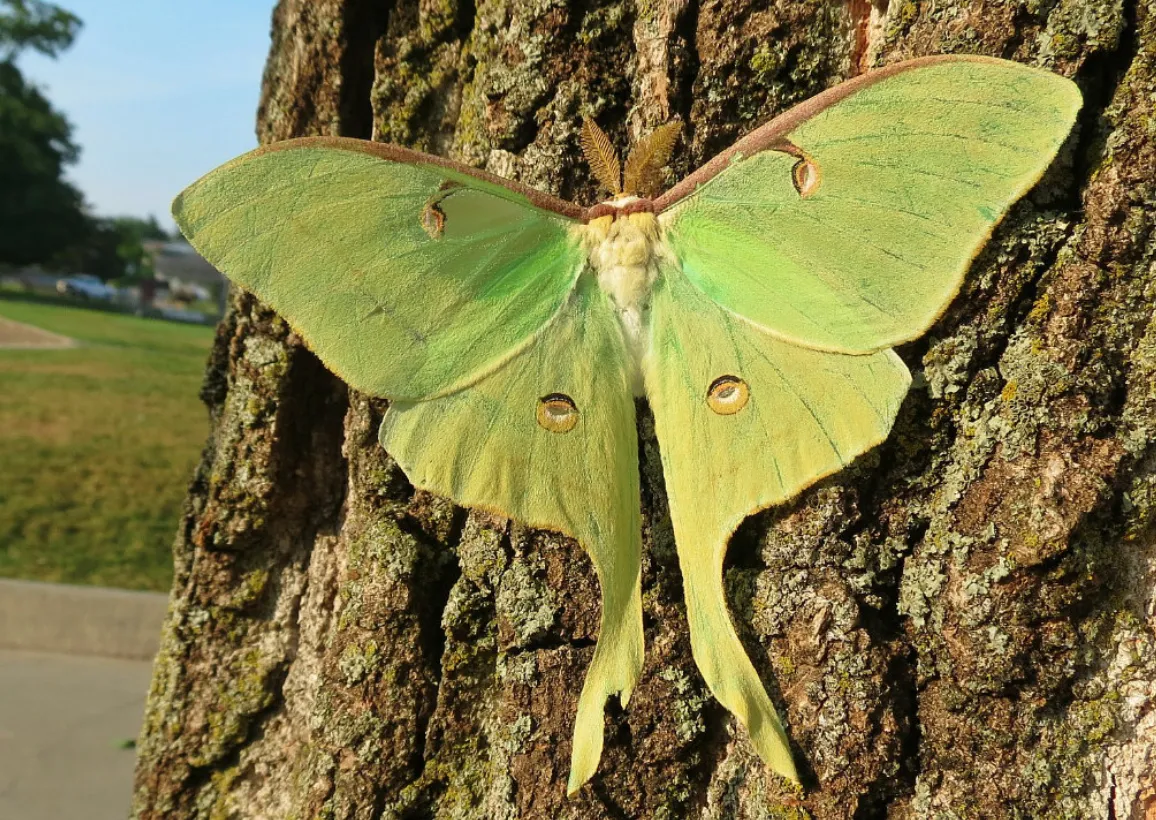
The luna moth is one of the most famous moths in North America. It is known for pale green wings, long tails, and eye-like wing spots. Its caterpillar feeds on trees such as walnut, hickory, sweet gum, and birch. Adult luna moths usually live only briefly and mainly focus on reproduction.
The hummingbird moth is known for hovering near flowers during feeding. Many people mistake it for a small bird because of its fast wingbeats and daytime visits to flowers. It is important for pollination and often appears in gardens with nectar-rich flowers.
The rosy maple moth is admired for its pink-and-yellow colour pattern. Its larvae often feed on maple trees. Although it looks delicate, it follows the same basic moth life cycle: egg, caterpillar, pupa, and adult.
The atlas moth is one of the largest moths in the world. It has huge wings with patterns that may help scare predators. Like many giant silk moths, the adult stage is short, and most feeding happens during the caterpillar stage.
The term “lunar moth” is often used by people to mean “luna moth.” However, the luna moth is the more accurate common name. The phrase the knight and the moth is not a biological species name, but it may appear in searches because moths are often used in literature, fantasy, and symbolic storytelling.
These LSI terms help expand the topic naturally without forcing the keyword. They also make the article more useful for readers who want to learn about different moth types.
Their life cycle and ability to survive in nature
Egg Stage
The life cycle of a moth begins when a female moth lays eggs on or near a suitable food source. Most females choose a host plant that the caterpillars can eat after hatching.
Eggs may be laid singly, in rows, in clusters, under leaves, on bark, near stems, or inside hidden places. The eggshell protects the developing embryo from drying, weather, and small predators.
Larva or Caterpillar Stage
The larva is called a caterpillar. This is the most active feeding stage. Caterpillars grow quickly and shed their skin several times. Each growth phase between molts is called an instar.
This stage helps moths survive by storing energy. Caterpillars may use camouflage, hairs, spines, bad taste, leaf-rolling, or hiding behaviour to avoid predators.
Pupa or Cocoon Stage
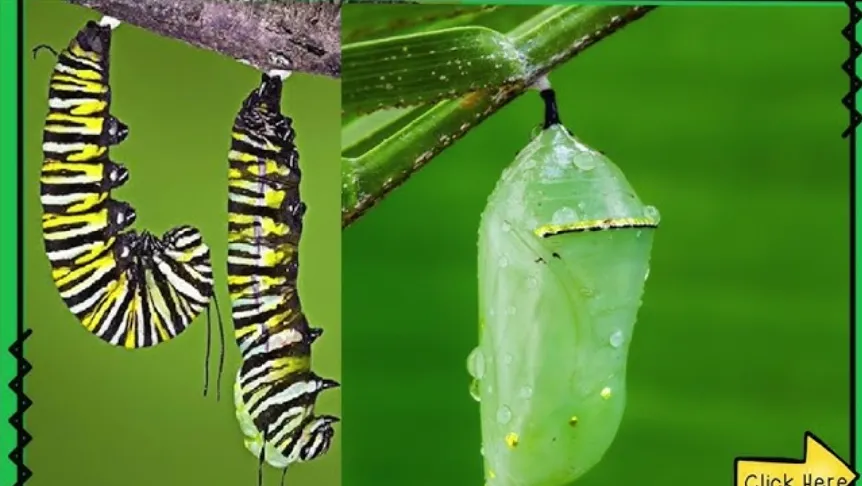
After enough growth, the caterpillar becomes a pupa. Many moths spin a silk cocoon, while others pupate underground or inside leaves.
Inside the pupa, the caterpillar’s body breaks down and reorganises into adult moth structures. Wings, legs, antennae, reproductive organs, and adult body parts develop during this stage.
Adult Moth Stage
The adult moth emerges with its wings soft and folded. It pumps fluid into the wings until they expand and harden. After that, it can fly, search for mates, and reproduce.
Adult moths survive through camouflage, night activity, fast flight, warning colours, confusing patterns, and sensitive antennae. Their main role is reproduction.
Their Reproductive Process and raising their children
Moths do not raise their children in the same way birds or mammals do. Their parental care is mostly indirect. The female’s most important job is choosing the right place to lay eggs.
Important points about moth reproduction include:
- Adult males often locate females by detecting pheromones, which are chemical signals released by females.
- Male moths may have large, feathery antennae that help them detect these chemical signals from afar.
- After mating, the female lays fertilised eggs on a suitable host plant or protected surface.
- The number of eggs depends on the species. Some lay a small batch, while others lay hundreds.
- The female usually does not stay to protect the eggs.
- The caterpillars hatch ready to feed and survive on their own.
- The “raising” process happens through smart egg placement, not direct care.
- By laying eggs near the correct food source, the female gives the young the best chance of survival.
This strategy works because moth larvae are independent from the beginning. A newly hatched caterpillar can chew, crawl, hide, and begin feeding almost immediately.
The reproductive success of a moth depends on timing, climate, host plant quality, predator pressure, and suitable habitat. If the female lays eggs on the wrong plant, the caterpillars may not survive.
The importance of them in this Ecosystem
Moths as Pollinators
Moths are important night-time pollinators. Many flowers open or release a stronger scent at night, and moths visit them for nectar. While feeding, pollen sticks to the moth’s body and moves to other flowers.
Moths as Food for Other Animals
Moths and caterpillars are food for birds, bats, spiders, frogs, lizards, beetles, wasps, and many other animals. A single moth population can support many parts of a food web.
Birds often feed caterpillars to their chicks because caterpillars are soft and protein-rich. Bats depend heavily on night-flying insects, including moths.
Moths as Plant Population Regulators
Caterpillars eat leaves and plant tissues. In balanced ecosystems, this feeding helps regulate plant growth and returns nutrients to the soil through waste and decomposition.
Moths as Environmental Indicators
Moths respond quickly to habitat change, pesticide use, artificial light, climate shifts, and plant loss. Because of this, scientists often study moth populations to understand ecosystem health.
Moths and Biodiversity
Moths add beauty, genetic diversity, and ecological complexity to nature. From the tiny micro-moth to the huge atlas moth, each species fills a role in the environment.
What to do to protect them in nature and save the system for the future
Protecting moths is important because they support pollination, food chains, and biodiversity. Small actions in gardens, farms, schools, parks, and communities can make a big difference.
- Plant native trees, shrubs, and flowers that support local moth caterpillars.
- Grow night-blooming and nectar-rich flowers for adult moths.
- Reduce pesticide use, especially broad-spectrum insecticides.
- Avoid spraying plants during flowering periods.
- Keep some leaf litter, dead leaves, and natural soil areas for pupating moths.
- Turn off unnecessary outdoor lights at night.
- Use warm, low-intensity lights instead of bright white lights.
- Avoid removing every wild plant from gardens because some are host plants.
- Protect hedgerows, forest edges, wetlands, and grasslands.
- Create wildlife-friendly gardens with a mix of plant species.
- Do not kill every caterpillar you see, because many become harmless or beneficial moths.
- Store food properly indoors rather than resorting to excessive chemical control.
- Support local conservation groups that monitor butterflies and moths.
- Teach children that moths are not just “pests” but valuable insects.
- Keep old trees and native plants where possible, because many species depend on them.
Artificial light, habitat loss, pesticide exposure, and climate change can all affect moth survival. Reducing night lighting and improving habitat quality can help protect moths and other nocturnal insects.
Frequently Asked Questions FAQs
Q: What is the life cycle of a moth?
A: The life cycle of a moth has four stages: egg, larva or caterpillar, pupa, and adult moth. This is called complete metamorphosis.
Q: How long does a moth live?
A: It depends on the species. Some adult moths live only a few days, while others may live several weeks. The full life cycle can last weeks or months.
Q: What does a moth caterpillar eat?
A: Most moth caterpillars eat plant material such as leaves, flowers, stems, fruits, or seeds. Some species feed on stored grains or animal-based fibres.
Q: Do moths help pollinate flowers?
A: Yes. Many adult moths visit flowers at night and help move pollen. This makes them important nocturnal pollinators.
Q: Is a luna moth the same as a lunar moth?
A: People sometimes say lunar moth, but the correct common name is usually luna moth. The scientific name of the luna moth is Actias luna.
Q: Are moths harmful?
A: Most moths are not harmful. Some caterpillars can damage crops, stored food, or fabrics, but many moths are beneficial pollinators and food sources for wildlife.
Q: Why are moths attracted to light?
A: Scientists believe artificial lights may confuse moth navigation systems. Bright lights can disturb feeding, mating, and movement.
Q: What is the difference between a moth and a butterfly?
A: Moths are often nocturnal, have thicker or hairier bodies, and may have feathery antennae. Butterflies are usually active by day and often have club-shaped antennae. However, there are exceptions.
Conclusion
The life cycle of a moth shows how powerful and complex nature can be. From a tiny egg to a hungry caterpillar, from a hidden pupa to a flying adult moth, every stage has a clear purpose. The caterpillar eats and stores energy, the pupa transforms, and the adult continues the next generation.
Moths are more than night insects near lights. They are pollinators, food sources, plant regulators, and indicators of environmental health. Species such as the luna moth, hummingbird moth, rosy maple moth, and atlas moth remind us of the diversity and beauty of moths.
Protecting moths means protecting plants, birds, bats, soil, and future biodiversity. By planting native species, reducing pesticides, limiting night lights, and respecting natural habitats, we can help moths survive and keep ecosystems balanced for the future.
Also Read: house fly life cycle