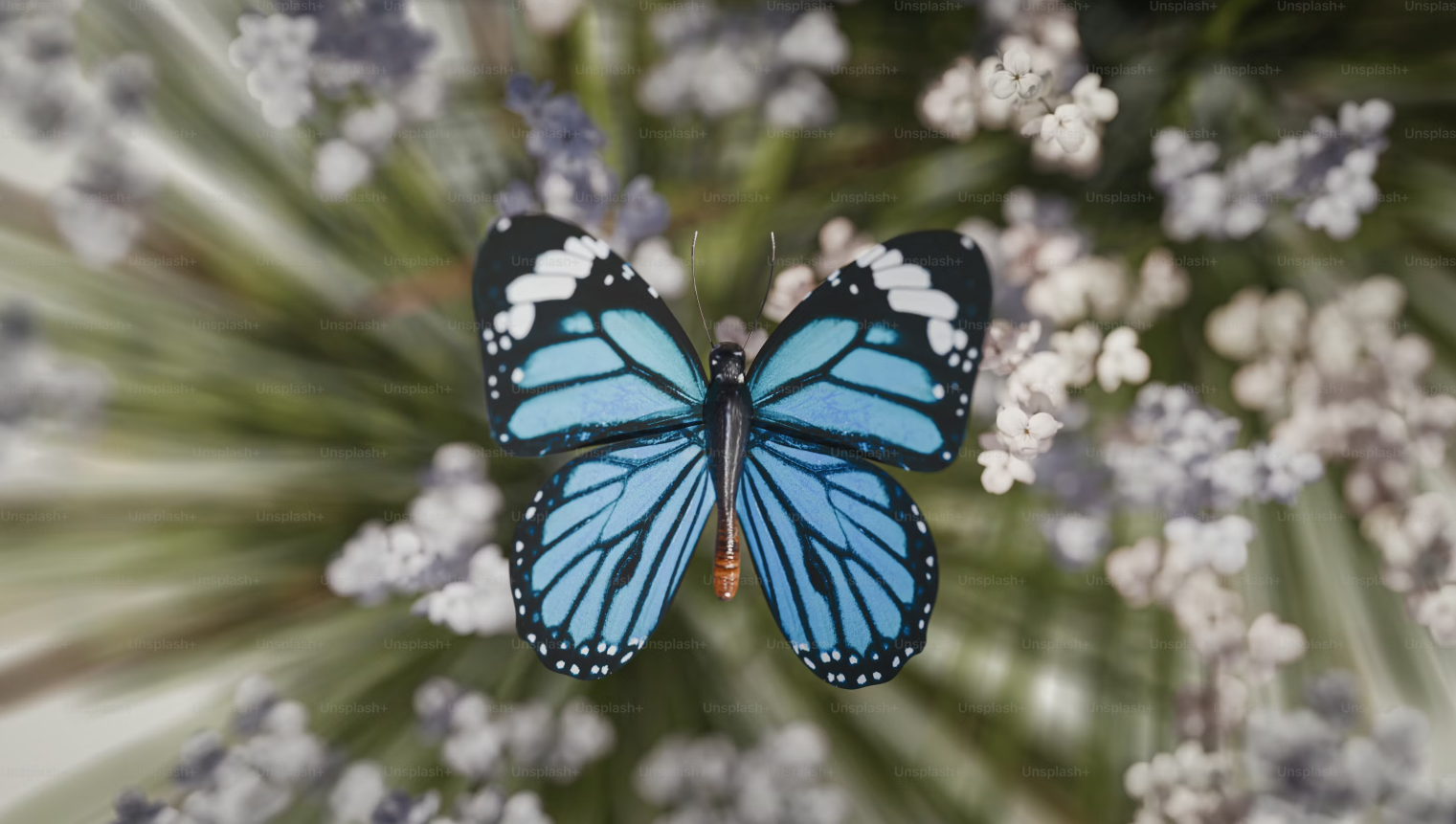
The life cycle of a butterfly is one of the most beautiful examples of change in nature. A butterfly does not begin life with colorful wings. It starts as a tiny egg, becomes a hungry caterpillar, changes inside a quiet chrysalis, and finally comes out as an adult butterfly. This full change is called a complete metamorphosis because each stage looks very different from the previous one.
Understanding the butterfly life cycle helps us learn how nature works. It also shows why flowers, host plants, clean gardens, and pesticide-free habitats are important. A butterfly is not only beautiful; it also supports plant reproduction, works as a small pollinator, and becomes food for birds, spiders, frogs, and other animals.
Today, butterflies are also important because many species are declining worldwide. A 2025 study reported a 22% decline in total butterfly abundance in the United States from 2000 to 2020, based on more than 76,000 monitoring events. This makes butterfly protection more important than ever.
Q: What are the four stages in the life cycle of a butterfly?
A: The four stages are egg, larva or caterpillar, pupa or chrysalis, and adult butterfly.
Q: How long does the butterfly life cycle take?
A: It depends on the species and the weather. Many butterflies complete the cycle in a few weeks, while some take months.
Q: Why is the butterfly life cycle important?
A: It helps maintain plant growth, food chains, biodiversity, and healthy ecosystems.
Quick Life Cycle Table
| Stage | What Happens | Main Purpose |
| Egg | A female butterfly lays tiny eggs on suitable host plants. | Safe beginning of life |
| Larva/Caterpillar | The caterpillar hatches and eats leaves quickly. | Growth and energy storage |
| Pupa/Chrysalis | The caterpillar changes inside a protective covering. | Body transformation |
| Adult Butterfly | The butterfly comes out, flies, feeds, mates, and lays eggs. | Reproduction and pollination |
Butterflies and moths go through complete metamorphosis, meaning they pass through four separate stages: egg, larva, pupa, and adult. Each stage has a different shape and purpose.
The History of Their Scientific Naming
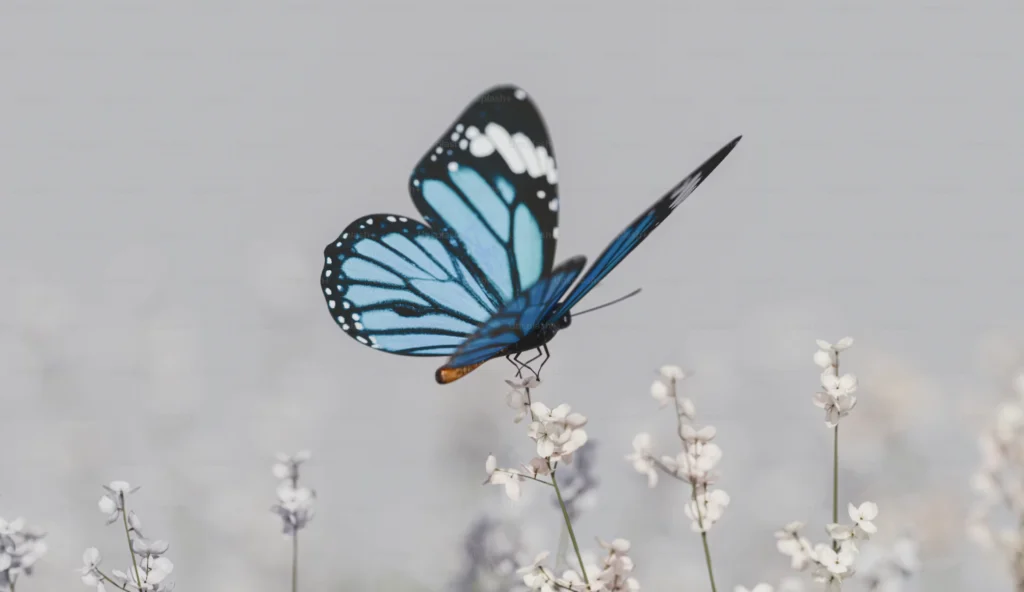
The scientific naming of butterflies is connected to the classification system created by Carl Linnaeus in the 18th century. Linnaeus developed the modern system of naming living things using two Latin-based words: genus and species. This system is known as binomial nomenclature.
Important points about butterfly scientific naming:
- Butterflies belong to the order Lepidoptera.
- The word Lepidoptera comes from Greek words meaning scale wings.
- This name fits butterflies because their wings are covered with tiny scales.
- These scales create their colors, patterns, and markings.
- Early scientists grouped many butterflies under the broad genus Papilio.
- Later, scientists studied body structure, wing shape, behavior, and genetics to classify them better.
- Today, butterflies are placed into several families, such as Nymphalidae, Papilionidae, Pieridae, Lycaenidae, and Hesperiidae.
The scientific naming system helps researchers identify each butterfly species clearly. It also helps conservation efforts, as scientists can track which species are common, rare, endangered, or newly discovered.
Their Evolution And Their Origin
The origin of butterflies is closely linked to the larger insect group, Lepidoptera, which includes both butterflies and moths. Fossil evidence shows that early lepidopterans existed around the Triassic-Jurassic boundary, roughly 200 million years ago. Researchers have found ancient wing scales that provide early evidence of moth and butterfly relatives.
Butterflies are believed to have evolved from moth-like ancestors. Over millions of years, they developed features that helped them survive during the day. These features include colorful wings, better daytime vision, and strong relationships with flowering plants.
As flowering plants spread across the Earth, butterflies also became more diverse. Flowers gave adult butterflies nectar, while plant leaves became food for caterpillars. This connection helped both groups grow and adapt together.
Butterflies evolved many survival tools. Some developed bright warning colors to signal to predators that they may taste bad. Others mimicked the appearance of poisonous species. Some butterflies evolved camouflage patterns that make them look like dry leaves, bark, or shadows.
Their origin shows that butterflies are not just pretty insects. They are the result of millions of years of adaptation, survival, and connection with plants. Their life cycle also reflects this deep history, as each stage helps them fit into nature in different ways.
Their main food and its collection process
A butterfly‘s food changes with its life stage. A caterpillar and an adult butterfly do not eat the same type of food. This is one reason the butterfly life cycle is so interesting.
Main food sources and collection process:
- Caterpillar food:
- Caterpillars mainly eat leaves. Many species can only eat leaves from specific host plants. For example, monarch caterpillars depend on milkweed.
- Adult butterfly food:
- Adult butterflies mostly drink nectar from flowers. Nectar gives them sugar-rich energy for flying, mating, and migration.
- How they collect nectar:
- A butterfly uses a long tube-like mouthpart called a proboscis. It works like a straw. The butterfly unrolls it, reaches into the flower, and sucks up nectar.
- Other food sources:
- Some butterflies also feed on tree sap, rotting fruit, wet soil, animal droppings, and minerals from mud. This behavior is called mud-puddling.
- Why flowers matter:
- Butterflies often visit flat or clustered flowers because these give them a better landing place. The U.S. Forest Service notes that butterflies usually search for nectar as their flight fuel and often prefer flowers that provide easy landing surfaces.
Food collection is not only important for the butterfly. When a butterfly visits flowers, pollen may stick to its body and move to another flower. This supports plant reproduction.
Important Things That You Need To Know
A butterfly is more than a colorful garden insect. It is a small but important part of nature. When people search for the life cycle of a butterfly, they usually want to understand how a tiny egg becomes a flying adult. But to understand butterflies properly, we also need to know their food, habitat, survival methods, and role in the Ecosystem.
The word butterfly usually refers to daytime-flying insects under the order Lepidoptera. Their wings are covered with tiny scales, which create beautiful colors and patterns. These patterns help them attract mates, hide from predators, or warn enemies.
Butterflies depend on two major plant types: host plants and nectar plants. Caterpillars use host plants for food. Adult butterflies use Nectar plants for energy. Without both, the life cycle cannot continue properly.
A healthy butterfly habitat needs sunlight, native flowers, safe leaves for caterpillars, water sources, and less chemical use. Gardens, forests, grasslands, wetlands, farms, and even roadsides can support butterflies if they include the right plants.
Butterfly conservation is now very important because habitat loss, pesticides, climate change, and pollution are harming many species. Protecting butterflies also protects other insects, birds, plants, and food chains.
Their life cycle and ability to survive in nature
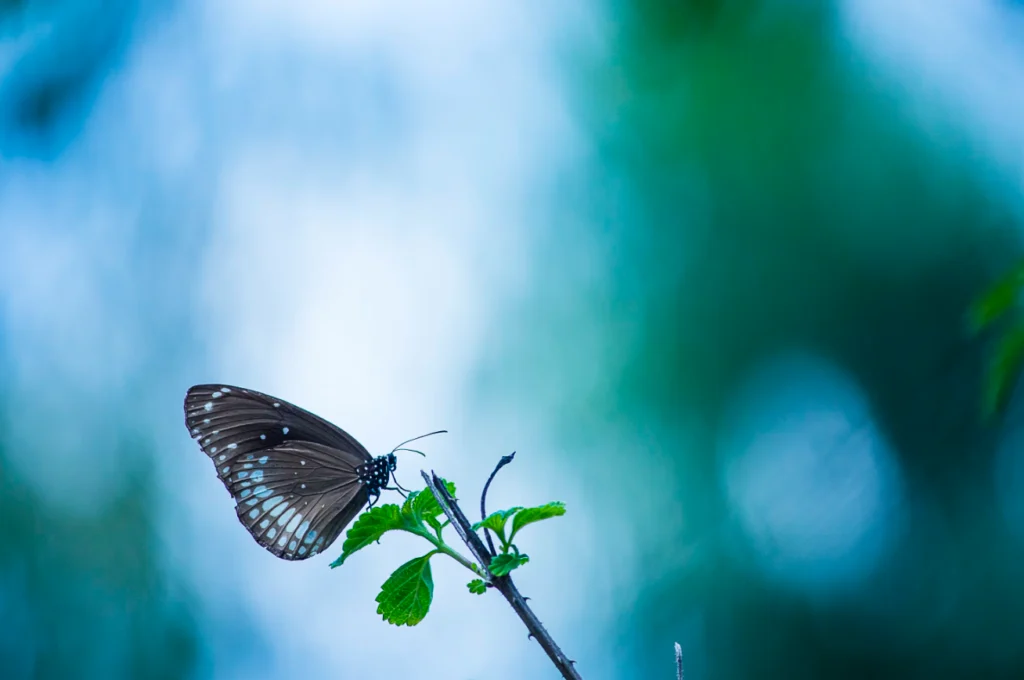
Egg Stage
The egg stage is the first stage of the butterfly life cycle. Female butterflies usually lay eggs on the leaves or stems of host plants. These plants are chosen carefully because the baby caterpillar will need food immediately after hatching.
Butterfly eggs can be round, oval, or ribbed. They are very small, but they contain everything needed to begin life.
Larva or Caterpillar Stage
After the egg hatches, the caterpillar comes out. This stage is mainly for eating and growing. Caterpillars eat leaves and shed their skin several times as they become bigger.
Their survival depends on camouflage, warning colors, bad taste, or hiding under leaves.
Pupa or Chrysalis Stage
In the chrysalis, the caterpillar’s body changes into a butterfly. This stage may look quiet from the outside, but inside the body is rebuilding itself.
This transformation is one of the most amazing parts of nature.
Adult Butterfly Stage
The adult butterfly comes out with soft wings. After the wings dry and expand, it begins flying. Its main goals are feeding, mating, and laying eggs.
Adult butterflies survive through camouflage, speed, mimicry, seasonal movement, and careful plant selection.
Their Reproductive Process and raising their children
Butterflies reproduce through sexual reproduction. Male and female butterflies must find each other, mate, and continue the next generation through eggs.
Important points about reproduction:
- Mate finding:
- Male butterflies often search for females by sight, scent, movement, and wing color.
- Courtship behavior:
- Some butterflies perform special flight patterns. Others release chemical signals called pheromones.
- Mating:
- After courtship, the male transfers sperm to the female. The female later uses it to fertilize her eggs.
- Egg laying:
- The female lays eggs on suitable host plants. This is one of the most important choices in the butterfly life cycle.
- No direct parenting:
- Butterflies do not raise their young like birds or mammals. The mother does not feed or guard the caterpillars after laying eggs.
- Smart plant selection:
- The female’s main form of care is choosing the correct plant. If she lays eggs on the wrong plant, the caterpillars may not survive.
- Independent young:
- Once the caterpillar hatches, it starts eating and growing on its own.
So, butterfly “parenting” is mostly indirect. The mother prepares the best possible start by laying eggs in the right place. Nature does the rest through instinct, adaptation, and survival behavior.
The importance of them in this Ecosystem
Butterflies Support Pollination
Butterflies help move pollen from flower to flower while drinking nectar. They are not always as efficient as bees, but they still support plant reproduction and genetic diversity.
Pollination is essential because many seed plants need pollen transfer to reproduce. Healthy pollination supports wildflowers, fruits, seeds, and plant communities.
They Are Part of the Food Chain
Butterflies and caterpillars are food for many animals. Birds, spiders, ants, wasps, frogs, lizards, and small mammals may eat them.
This makes butterflies an important link between plants and other animals.
They Show Ecosystem Health
Butterflies are often seen as indicator species. If butterflies disappear from an area, it may show that the habitat is unhealthy.
Because butterflies are sensitive to temperature, pesticides, and plant loss, butterfly decline can signal broader environmental problems.
They Support Biodiversity
Different butterfly species need different plants. When we protect butterflies, we also protect native flowers, grasses, shrubs, trees, and many other insects.
They Help Humans Appreciate Nature
Butterflies also have educational and cultural value. Their beauty encourages people to care for gardens, forests, and parks, and to support conservation.
What to do to protect them in nature and save the system for the future
Protecting butterflies does not always require big projects. Small actions in gardens, farms, schools, parks, and communities can help.
- Plant native flowers that bloom in different seasons.
- Grow host plants for caterpillars, not only nectar flowers for adults.
- Avoid chemical pesticides, especially broad-spectrum insecticides.
- Keep some wild corners in gardens where caterpillars can safely live.
- Protect grasslands, forests, wetlands, and roadside habitats.
- Plant milkweed where monarch butterflies naturally live.
- Create butterfly-friendly gardens with sunlight, flowers, leaves, and shallow water.
- Do not remove every fallen leaf, because some insects use leaf litter for shelter.
- Support organic and low-chemical farming practices.
- Reduce light pollution where possible.
- Teach children about the butterfly life cycle to help them learn to respect insects.
- Avoid catching butterflies from the wild for decoration or personal collections.
- Support local conservation groups that restore butterfly habitats.
- Use climate-friendly habits because climate change affects butterfly movement, the timing of food availability, and survival.
- Choose native plants instead of invasive ornamental plants.
The need for protection is urgent. The Xerces Society lists habitat loss, climate change, disease, pesticides, and invasive plants among the major threats to butterflies.
Frequently Asked Questions (FAQs)
Q1: What is the life cycle of a butterfly?
A: The life of a butterfly cycle means the full development of a butterfly from egg to caterpillar, then chrysalis, and finally adult butterfly.
Q2: What are the four stages of a butterfly’s life cycle?
A: The four stages are egg, larva or caterpillar, pupa or chrysalis, and adult butterfly.
Q3: What does a caterpillar eat?
A: A caterpillar mainly eats leaves from specific host plants. Different butterfly species need different plants.
Q4: What does an adult butterfly eat?
A: An adult butterfly mostly drinks nectar from flowers using its long mouthpart called a proboscis.
Q5: How does a butterfly protect itself?
A: A butterfly may use camouflage, warning colors, mimicry, fast flight, hiding behavior, or bad taste to avoid predators.
Q6: Do butterflies raise their babies?
A: No, butterflies do not directly raise their young. The female lays eggs on the right host plant, and the caterpillars hatch and survive on their own.
Q7: Why are butterflies important for nature?
A: Butterflies help with pollination, support food chains, increase biodiversity, and show the health of ecosystems.
Q8: How can we save butterflies?
A: We can save butterflies by planting native flowers, growing host plants, avoiding pesticides, protecting habitats, and supporting conservation work.
Conclusion
The life cycle of a butterfly is a powerful story of growth, change, and survival. From a tiny egg to a leaf-eating caterpillar, from a quiet chrysalis to a colorful adult butterfly, every stage has a clear purpose in nature.
Butterflies are not only beautiful insects. They support pollination, feed other animals, help plants reproduce, and show whether an ecosystem is healthy or damaged. Their life cycle also teaches us that even small creatures can have a big role in the natural world.
But butterflies now face serious threats from habitat loss, pesticides, climate change, and pollution. If we want future generations to enjoy butterflies, we must protect their food plants, breeding places, and natural habitats.
By planting native flowers, avoiding harmful chemicals, and respecting the full butterfly life cycle, we can help save butterflies and protect the wider Ecosystem for the future.
Also Read: life cycle of sea turtle