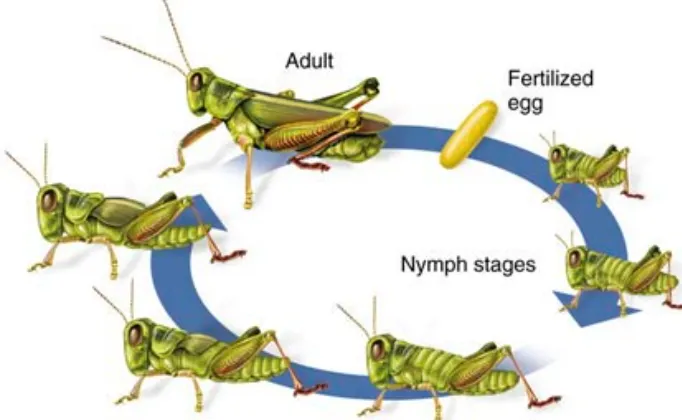
The cricket’s life cycle is one of the simplest yet most interesting patterns in the insect world. A cricket insect does not grow like a butterfly, because it has no worm-like larval stage and no pupal stage. Instead, it passes through three clear stages: egg, nymph, and adult. This process is called incomplete metamorphosis.
Crickets belong to the order Orthoptera and the family Gryllidae. They are known for long antennae, strong jumping legs, and the familiar night sound made mostly by male crickets. Many true crickets live in fields, gardens, forests, leaf litter, tree areas, and sometimes inside homes.
A cricket’s life is short, but every stage matters. The egg waits in a safe, damp place. The nymph grows by shedding its outer skin repeatedly. The adult sings, mates, lays eggs, and passes on the genes to the next generation. For the house cricket insect, the full life cycle can take about two to three months in warm conditions.
Q: What are the stages in the life cycle of the cricket insect?
A: The main stages are egg, nymph, and adult.
Q: How long does a cricket insect live?
A: Many crickets live only a few weeks as adults, while the full life cycle may last around two to three months, depending on temperature, food, moisture, and species.
Q: Why does a cricket insect make sound?
A: Male crickets usually make sounds to attract females, warn rivals, or communicate with other crickets.
Quick Life Cycle Table
| Life Stage | What Happens | Typical Place | Main Need |
| Egg | The female places eggs in damp soil, soft plant tissue, sand, peat moss, or moist organic matter. | Soil, plant stems, leaf litter, damp cracks | Moisture, warmth, protection |
| Nymph | The young cricket hatches looking like a tiny adult, but it has undeveloped wings and cannot reproduce. | Grass, soil surface, gardens, hidden cracks, leaf litter | Food, shelter, safe molting space |
| Molting | The nymph sheds its hard outer skin several times as its body grows larger. | Hidden areas away from predators | Low disturbance and enough nutrition |
| Adult | The adult cricket has developed wings and reproductive organs. Males sing, and females lay eggs. | Fields, homes, gardens, forests, warm shelters | Food, mate, egg-laying site |
Important Things That You Need To Know
When people search for cricket insects, they often want to know whether they are harmful, useful, noisy, or part of nature’s balance. The answer is not one-sided. A cricket can be a small household nuisance when it enters rooms and chirps at night, but in nature, it helps recycle organic matter and becomes food for birds, reptiles, amphibians, spiders, and small mammals.
The phrase insect cricket usually refers to true crickets in the family Gryllidae, not the sport cricket. This is important for search intent. A person searching this term may want biology, life cycle, habitat, or pest details.
The cricket insect sound is produced mostly by males. They rub parts of their forewings together, a behavior called stridulation. The sound may attract females, mark territory, or warn other males. Both sexes can detect sound through hearing organs on the front legs.
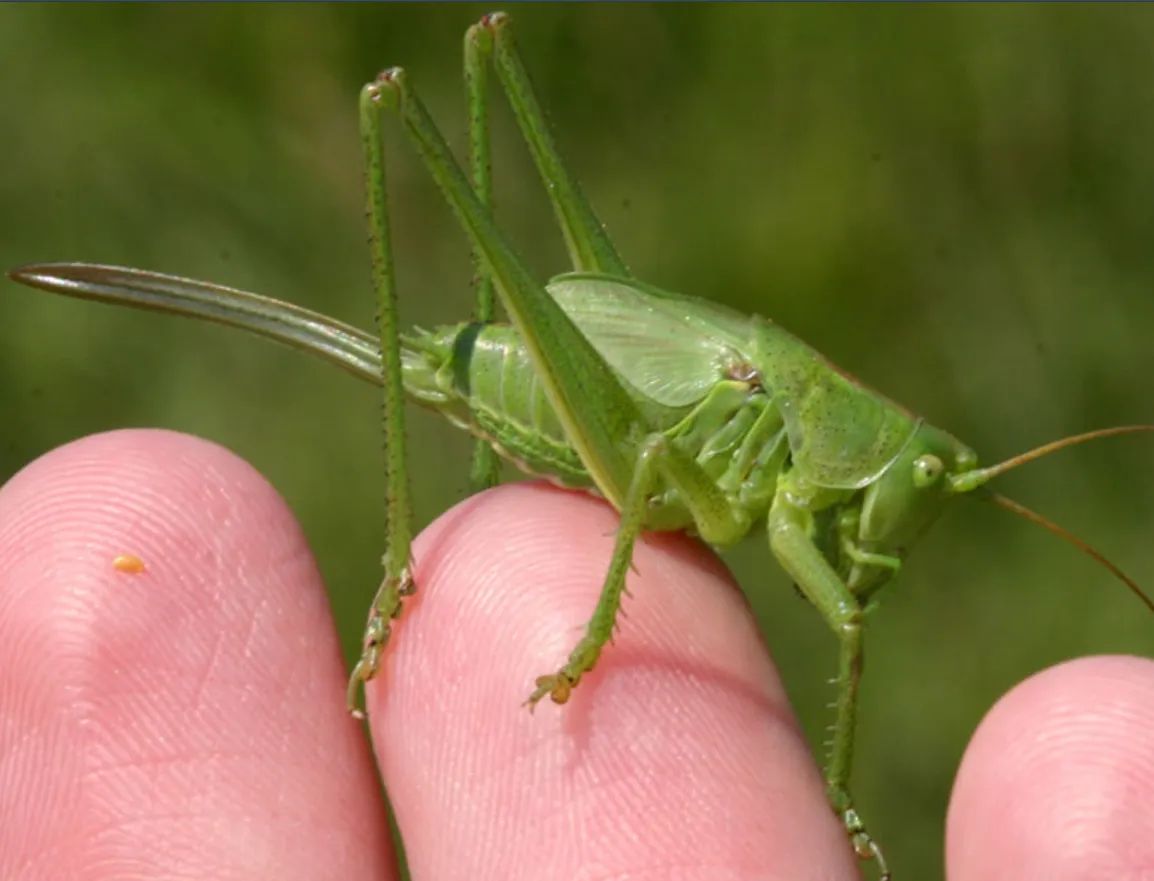
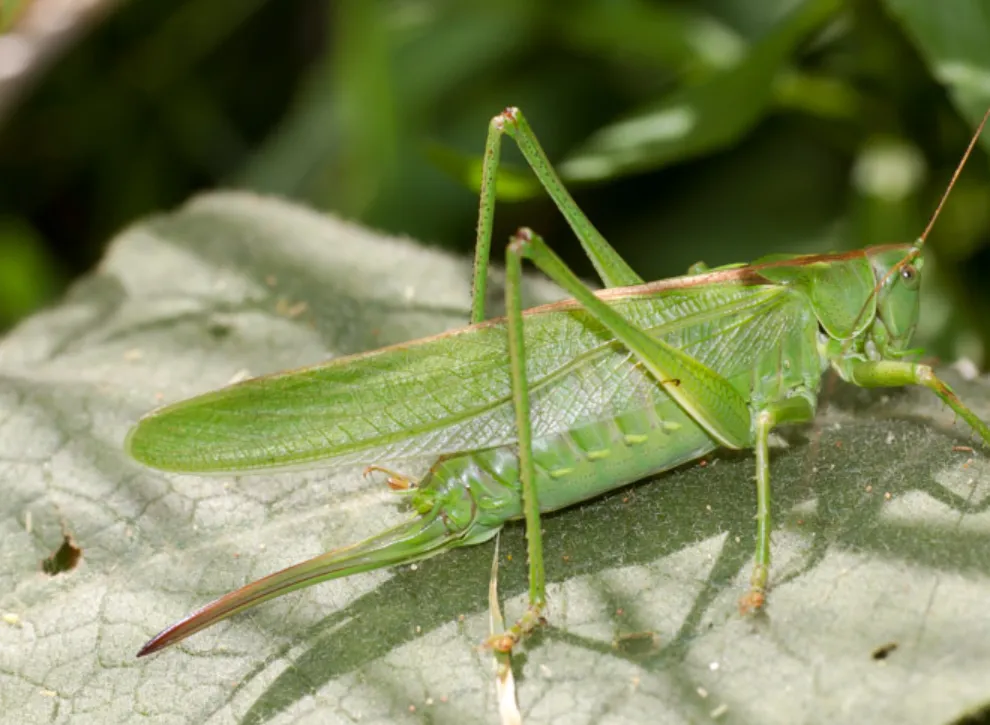
People also search for cricket insect images because a close look helps identify the long antennae, jumping legs, wings, and body color. A house cricket insect is usually light brown or yellowish brown, while many field crickets are darker. A cricket insect, close up, often shows three helpful ID signs: long thread-like antennae, strong jumping legs, and hearing organs on the front tibia.
The History of Their Scientific Naming
The scientific naming of crickets comes from the long tradition of classifying insects by shared body structure. True crickets are grouped under the family Gryllidae, inside the order Orthoptera. The word Orthoptera refers to insects such as crickets, grasshoppers, katydids, and locusts.
• Family name: The name Gryllidae is linked with true crickets, including house crickets, field crickets, and tree crickets.
• Common name: The word cricket is a common name so that it may refer to several related insects. Not every insect with “cricket” in its common name belongs to the same family.
• House cricket name: The scientific name of the house cricket is Acheta domesticus. It was first connected with an older scientific name before later taxonomic changes placed it in its current genus.
• Naming purpose: Scientific names help researchers avoid confusion between local names. For example, “jhingur,” “field cricket,” and “house cricket” may differ by region, but scientific naming gives each species a more stable identity.
Their Evolution And Their Origin
The origin of crickets is tied to the wider history of Orthoptera, the insect order that includes crickets, katydids, grasshoppers, and related groups. These insects evolved strong hind legs, chewing mouthparts, sound-making organs, and hearing structures that helped them survive in grasslands, forests, shrublands, and soil-level habitats.
Modern true crickets show many ancient features. They have long antennae for sensing the world in darkness, strong legs for jumping away from danger, and body colors that blend into soil, bark, dry leaves, or grass. This makes them excellent night insects. Many species stay hidden during the day and become active after sunset.
Fossil studies show that cricket relatives are very old. Ancient tree cricket fossils found in amber suggest that some cricket lineages were already present millions of years ago. This means crickets did not appear recently. They are part of a long evolutionary story that connects forests, grasslands, and ancient insect communities.
Their origin was not from one single modern habitat. Crickets adapted into many life forms over time. Some became ground dwellers. Some moved into trees and shrubs. Some learned to live near humans. The house cricket spreads widely through human movement, stored goods, farms, the pet food trade, and warm buildings.
This long evolutionary journey explains why crickets are found in so many places today. Their simple life cycle, flexible diet, fast reproduction, and strong hiding behavior help them survive even when their environment changes.
Their main food and its collection process
Crickets are mostly omnivorous scavengers, which means they can eat both plant-based and animal-based material. Their diet changes with the habitat, season, and available food. This flexible feeding habit is one reason the cricket insect survives in gardens, forests, farms, fields, and homes.
• Plant matter: Crickets eat soft leaves, grass, seedlings, fruits, seeds, and plant scraps. They usually prefer tender or decaying plant material because it is easier to chew.
• Dead organic matter: They feed on fallen leaves, rotting plant pieces, fungi, and decomposing matter. This helps break down waste in soil-level habitats.
• Small insects: Some crickets eat dead insects and may also attack weak or smaller insects when protein is needed.
• Human stored material: In homes, a cricket may chew fabric, paper, stored food crumbs, or pet food if natural food is not available.
• Water and moisture: Crickets need moisture from food, damp soil, dew, or wet surfaces. Dry conditions can reduce survival, especially for eggs and young nymphs.
Their food collection process is simple but effective. A cricket uses its long antennae to sense smell, touch, vibration, and nearby movement. At night, it walks through leaf litter, cracks, grass roots, or soil edges searching for edible material. Once it finds food, it uses its chewing mouthparts, called mandibles, to cut and grind it.
This feeding process also helps nature. When crickets eat dead leaves and organic waste, they help return nutrients to the soil. In turn, they become food for larger animals.
Their life cycle and ability to survive in nature
Egg Stage
The life of a cricket begins as an egg. Female crickets usually place eggs in damp soil, plant stems, soft sand, peat moss, or other moist material. The female uses a special egg-laying organ called an ovipositor to place the eggs in a safer spot.
Moisture is very important here. Eggs can dry out in a hot, dry environment. They can also fail if the soil is flooded or disturbed.
Nymph Stage
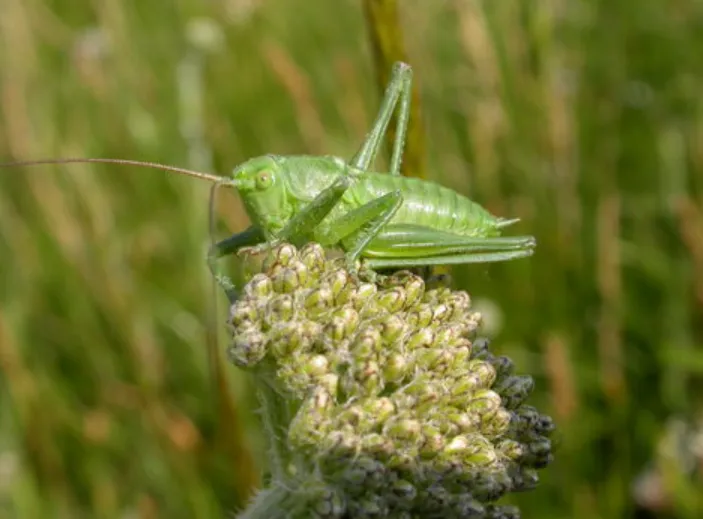
After hatching, the young cricket is called a nymph. A nymph looks like a small version of the adult, but it has no full wings and no working reproductive organs. This is why crickets are called insects with incomplete metamorphosis.
Nymphs eat small pieces of plant matter, dead organic material, and soft food around them. As they grow, they molt several times. Each molt helps the nymph become larger and closer to adulthood.
Adult Stage
The adult stage is the final stage in the cricket‘s life cycle. Adults have developed wings, mature body parts, and the ability to reproduce. Male crickets produce sound, while females search for good egg-laying sites.
For the house cricket insect, the life cycle may take around two to three months in warm conditions. Juveniles look like adults but are smaller and wingless.
Survival Ability
Crickets survive by hiding, jumping, being nocturnal, using camouflage, and reproducing quickly. Many stay under stones, leaves, bark, logs, cracks, soil spaces, or human structures during the day. Their long antennae help them sense danger before predators get too close.
Their Reproductive Process and raising their children
Cricket reproduction is simple, fast, and closely connected to sound. The male cricket often begins by calling. This familiar cricket insect sound is made when the male rubs one forewing against the other. The song helps attract females and may also warn rival males.
• Calling song: The male makes a sound to attract a female from a distance.
• Courtship song: When a female comes closer, the male may change the song pattern to encourage mating.
• Mating: After courtship, the male transfers sperm to the female through a sperm packet.
• Egg laying: The female uses her ovipositor to place eggs in soil, plant stems, damp substrate, or hidden organic matter.
• No parental care: Most crickets do not raise their children like birds or mammals. After eggs are laid, the young must survive on their own.
• High egg number: Because predators eat many eggs and nymphs, crickets rely on laying many eggs across suitable places.
• Nymph independence: Once hatched, nymphs immediately begin searching for food and shelter.
This may sound harsh, but it is a successful natural strategy. Crickets do not protect each young one individually. Instead, they use numbers, hiding places, rapid growth, and flexible feeding to sustain the population.
The importance of them in this Ecosystem
Natural Food Source
Crickets are an important food source for many animals. Birds, frogs, lizards, snakes, spiders, small mammals, fish, and other insects eat them. Without crickets, many small predators would lose an easy and protein-rich food source.
Because crickets reproduce quickly, they can support many food chains at once. This makes them a quiet but valuable part of grassland, garden, forest, and farm ecosystems.
Nutrient Recycling
Crickets help break down organic material. When they chew fallen leaves, dead plant pieces, fungi, and other waste, they help start the recycling process. Bacteria, fungi, and soil organisms can further break down smaller pieces of organic matter.
This process supports healthier soil. In a balanced habitat, crickets help move nutrients from dead matter back into the living system.
Soil and Plant Connection
Crickets move through soil cracks, leaf litter, and plant bases. Their movement can help loosen small surface areas and mix tiny organic particles. While they are not major soil engineers like earthworms, they still contribute to the busy life at ground level.
Some tree crickets may also help maintain pest balance by feeding on small, soft-bodied insects. However, some species can also damage soft plant tissue when they lay eggs. This is why their role in the Ecosystem is best understood as balanced rather than fully good or fully bad.
Environmental Indicator
A healthy cricket population often suggests that a habitat still has shelter, food, moisture, and natural ground cover. When all insect life disappears from a garden or field, it can be a sign of chemical overuse, habitat loss, or poor soil health.
What to do to protect them in nature and save the system for the future
• Keep natural ground cover: Leave some dry leaves, grass edges, and plant litter in garden corners so crickets can hide and feed.
• Reduce chemical pesticide use: Strong insecticides can kill crickets, pollinators, soil insects, and many helpful organisms at the same time.
• Protect moist soil areas: Cricket eggs and nymphs need safe, damp microhabitats. Avoid drying every part of the garden.
• Grow mixed plants: A garden with grasses, shrubs, herbs, flowers, and trees supports more insects than a bare lawn.
• Avoid unnecessary night light: Bright outdoor lights can disturb many night-active insects, including crickets and their predators.
• Do not destroy every hiding place: Stones, logs, leaf piles, and bark pieces create shelter for small insects.
• Use natural pest control first: If crickets enter the house, seal cracks, remove food crumbs, and reduce indoor moisture before using chemicals.
• Teach children about insects: Many people fear insects because they do not understand them. Simple nature education can help protect small species.
• Support clean local habitats: Less plastic waste, less soil pollution, and more native plants can protect crickets and the larger food web.
• Keep balance, not overpopulation: Protection does not mean letting crickets damage stored goods or indoor spaces. The goal is a healthy balance between outdoor activities and indoor activities.
Frequently Asked Questions (FAQs)
Q: What is the life cycle of a cricket?
A: The life cycle of the cricket insect has three stages: egg, nymph, and adult. Crickets grow through incomplete metamorphosis, so young nymphs look like small adults.
Q: How long does a cricket take to become an adult?
A: It depends on species, food, moisture, and temperature. For the house cricket insect, the full life cycle can take about two to three months in warm conditions.
Q: What does a cricket insect eat?
A: Crickets eat plant matter, dead leaves, fungi, small insects, decaying organic material, food scraps, and sometimes fabric or paper indoors.
Q: Why do crickets chirp at night?
A: Male crickets chirp mostly to attract females and communicate with other males. The sound is made by rubbing the forewings together.
Q: Are cricket insects harmful to humans?
A: Most crickets are not dangerous to humans. They may become annoying indoors due to noise or minor chewing damage, but outdoors, they are part of the Ecosystem.
Q: Where do female crickets lay eggs?
A: Female crickets usually lay eggs in damp soil, plant stems, peat moss, sand, or other moist, hidden material.
Q: What is the difference between a nymph and an adult cricket?
A: A nymph is smaller, wingless, and not ready to reproduce. An adult has mature wings and reproductive organs.
Q: Why are cricket insect images useful?
A: Cricket insect images help identify key features like long antennae, jumping legs, body color, wings, and the female ovipositor.
Conclusion
The life cycle of the cricket insect may look simple, but it carries deep meaning for nature. From a small egg in damp soil to a singing adult in the night, every stage has a role. The nymph grows quietly, molts several times, and learns to survive among leaves, soil, grass, and hidden spaces. The adult continues the cycle through sound, mating, and egg laying.
Crickets are more than noisy insects. They are food for many animals, natural recyclers of organic matter, and small signs of a living ecosystem. The cricket insect sound that people hear at night is not just background noise. It is part of reproduction, communication, and survival.
Protecting crickets does not mean inviting them into homes. It means keeping outdoor habitats healthy, reducing unnecessary chemical use, and respecting the small creatures that help nature function. A balanced world needs even the tiny night singers.
Also Read: life cycle of a moth