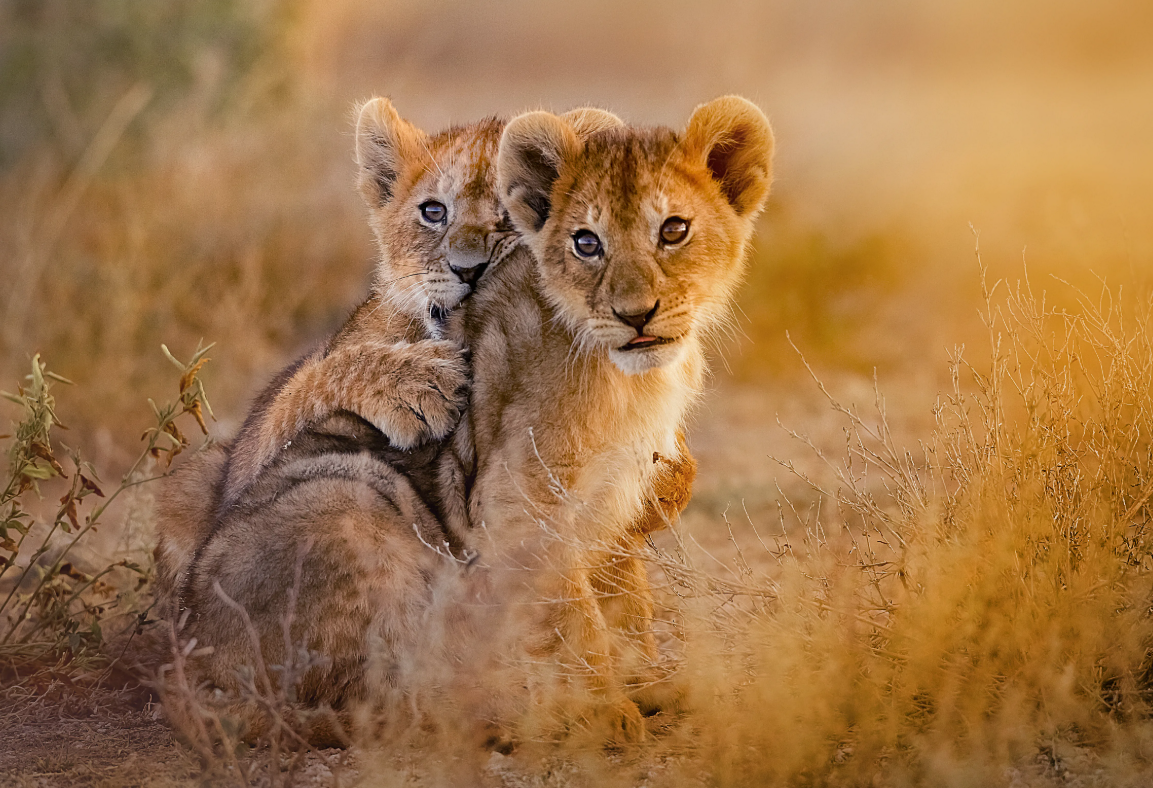
The lion’s life cycle is one of the most fascinating stories in the wild. A lion begins life as a tiny, helpless cub hidden in grass, caves, or thick bushes. Over time, it grows into a powerful predator that helps maintain balance in nature. Lions (Panthera leo) are the only big cats that live mainly in social groups called prides.
Today, lions are mostly found in Sub-Saharan Africa, with a smaller population of Asiatic lions living in Gujarat, India. The latest conservation data shows that lions are globally listed as Vulnerable and that their natural range has sharply reduced compared with the past. From 2004 to 2025, their range declined by about 34%, and their current range is only around 6.13% of their historical range.
Understanding the lion’s life cycle helps us learn how lions grow, hunt, reproduce, raise cubs, survive in nature, and support the Ecosystem. It also helps people understand why protecting lions is not only about saving one animal, but also about protecting grasslands, prey animals, and the natural balance of the wild.
Q1: What are the main stages of the lion’s life cycle?
A: The main stages are newborn cub, young cub, juvenile, sub-adult, adult, and old age.
Q2: How long do lions live?
A: Wild lions usually live around 10 to 14 years, while lions in protected care may live longer.
Q3: When do lions become adults?
A: Lions usually become sexually mature around 3 to 4 years, but males often need more time to gain strength and control a pride.
Quick Life Cycle Table
| Stage | Age Range | What Happens |
| Newborn Cub | 0 to 2 weeks | Cubs are blind, weak, and fully dependent on the mother. |
| Young Cub | 2 weeks to 6 months | Cubs open their eyes, walk, play, and start tasting meat. |
| Growing Cub | 6 months to 1 year | Cubs follow the pride and learn basic survival skills. |
| Juvenile Lion | 1 to 2 years | Young lions practice hunting and social behavior. |
| Sub-adult Lion | 2 to 4 years | Males may leave the pride; females often remain with it. |
| Adult Lion | 4 to 10 years | Lions hunt, reproduce, defend territory, and raise young. |
| Old Lion | 10+ years | Strength declines, and survival becomes more difficult in the wild. |
The History of Their Scientific Naming
The scientific name of the lion is Panthera leo. The name was first officially described by Carl Linnaeus in 1758 as Felis leo. Later, lions were placed in the genus Panthera, which includes roaring big cats such as lions, tigers, leopards, jaguars, and snow leopards.
The word Panthera is linked to ancient Greek and Latin words for large, spotted, or powerful cats. The species name leo means lion.
For many years, scientists described many lion types based on location, mane size, skin color, and body features. Older names included the Barbary lion, Asiatic lion, and other regional forms.
Modern classification now commonly recognizes two main lion subspecies: Panthera leo leo and Panthera leo melanochaita. The group Panthera leo leo includes Asiatic lions and the regionally extinct Barbary lion lineage, while Panthera leo melanochaita includes many lions of eastern and southern Africa.
This naming history shows how science changes as better genetic and field research becomes available.
Their Evolution And Their Origin
The evolutionary story of the lion goes back millions of years. Lions belong to the family Felidae, the cat family, and the genus Panthera, which includes some of the most powerful predators on Earth.
Scientists believe that early lion-like cats appeared in Africa and later spread into parts of Europe, Asia, and the Middle East. Fossil evidence shows that lions once had a much wider range than they do today. Ancient lion relatives lived in Europe, western Asia, Africa, and even North America, including the extinct cave lions and American lions.
Modern lions likely developed in Africa, where open grasslands and savannas created the perfect environment for large social predators. Open habitats made teamwork useful because large prey animals such as buffalo, zebra, wildebeest, and antelope were easier to hunt in groups.
One of the most special evolutionary features of lions is their social lifestyle. Most cats are solitary, but lions live in prides. This helped them defend territories, protect cubs, and hunt larger prey.
Another important feature is the mane of the male lion. The mane can show strength, maturity, health, and social status. A darker or fuller mane may help attract females and warn rival males.
Over time, changing climate, human expansion, hunting, and habitat loss reduced the lion’s range. Today, lions survive mainly in Africa, while the remaining wild Asiatic lions live in India’s Gujarat region. In 2025, Gujarat reported 891 Asiatic lions, up from 674 in 2020, showing an important conservation success for this small population.
Their main food and its collection process
Lions are carnivores, which means they eat meat. Their food comes from hunting wild animals, scavenging from carcasses, and sometimes taking prey from other predators. Their diet depends on location, prey availability, season, and pride size.
Lions usually prefer medium to large hoofed animals. Common prey includes zebra, wildebeest, buffalo, antelope, gazelle, warthog, and sometimes young giraffes. In some areas, lions may also hunt smaller animals when large prey is hard to find.
Their food collection process is mostly based on group hunting, especially by lionesses.
- Searching for prey: Lions watch open grasslands, water points, and migration paths to find animals.
- Stalking quietly: They move slowly through grass, using their tawny coat as camouflage.
- Team hunting: Lionesses often work together to surround or confuse prey.
- Short, powerful chase: Lions are strong but not built for long-distance running, so they attack from close range.
- Killing the prey: They usually bring prey down using strength, claws, and a bite to the throat or muzzle.
- Feeding order: Adult males often eat first, followed by lionesses and cubs.
- Scavenging: Lions may also eat dead animals or take kills from hyenas, leopards, or wild dogs.
Lions do not hunt every day. After a large meal, they may rest for many hours or even a day or more. This is why lions are often seen sleeping or lying in the shade.
Food is central to the lion’s life cycle because cub growth, female reproduction, pride strength, and territory survival all depend on a stable prey base.
Their life cycle and ability to survive in nature
Newborn cub stage
The lion’s life cycle begins when a lioness gives birth after a pregnancy of around 108 to 110 days. A normal litter usually has 1 to 4 cubs, though litter size can vary.
Newborn cubs are blind, weak, and unable to defend themselves. The mother hides them in thick grass, rocky areas, caves, or bushes. During this stage, the cubs depend completely on milk and warmth.
Cub learning stage
After a few weeks, cubs open their eyes and begin moving around. They play with siblings, bite tails, chase insects, and copy adult behavior. This play is not only cute; it builds hunting skills, balance, confidence, and social bonding.
Cubs usually begin eating meat at around three months, but they may continue nursing for about six months. Cubs face many dangers, including hunger, hyenas, leopards, snakes, disease, and attacks during pride takeovers. Under harsh conditions, cub mortality can be very high.
Juvenile and sub-adult stage
In one to two years, young lions become stronger and more active. They follow adults during hunts and learn how to stalk, chase, and avoid danger.
Female lions often remain in their birth pride. Male lions usually leave when they become older and stronger. These young males may form coalitions with brothers or other males. Together, they travel, hunt, and later try to take over a pride.
Adult stage and survival
Adult lions survive through strength, teamwork, territory control, and social cooperation. Lionesses hunt and raise cubs together. Males defend the pride from rival males and outside threats.
Their survival depends on water, prey, space, and safety from human conflict. In protected landscapes, lions have a better chance. In areas with habitat loss, livestock conflict, and poaching, survival becomes much harder.
Their Reproductive Process and raising their children
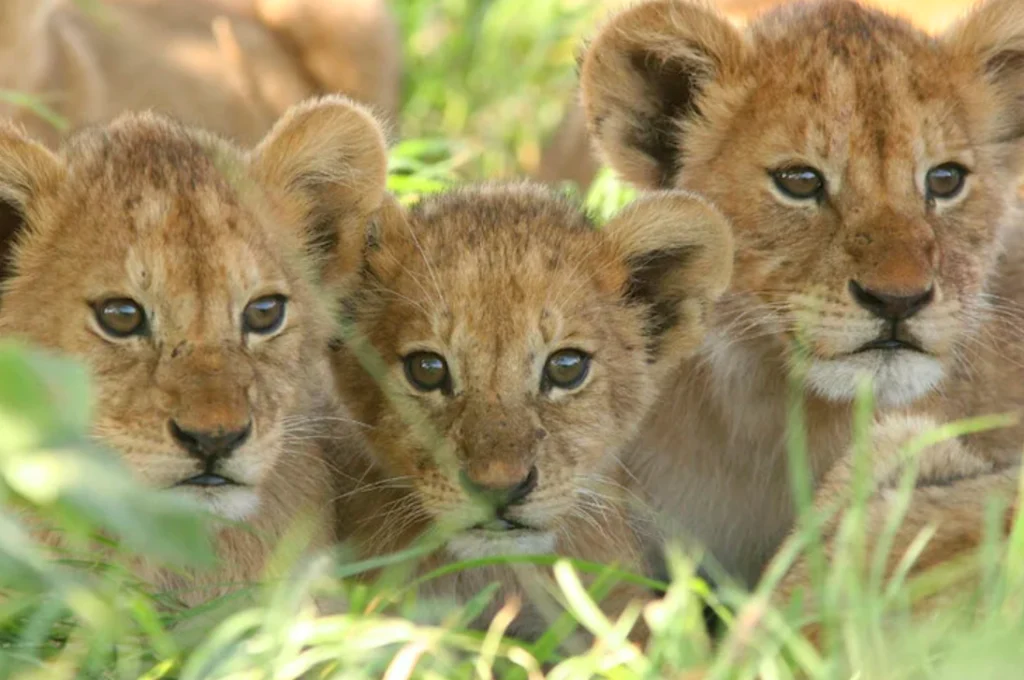
Lion reproduction is closely connected with pride structure, territory, and food availability. Lions do not have one strict breeding season. They can mate at different times of the year, depending on the health and condition of the pride.
- Maturity: Lionesses usually become ready to reproduce around 3 to 4 years of age.
- Mating behavior: A lioness may mate many times over several days when she is in heat.
- Gestation period: Pregnancy lasts about 108 to 110 days.
- Birth location: The mother usually gives birth outside the pride, in a hidden place.
- Litter size: Most litters contain two to four cubs, though one to six is possible.
- Early care: The mother keeps cubs hidden for several weeks.
- Milk feeding: Cubs drink milk first and slowly start eating meat.
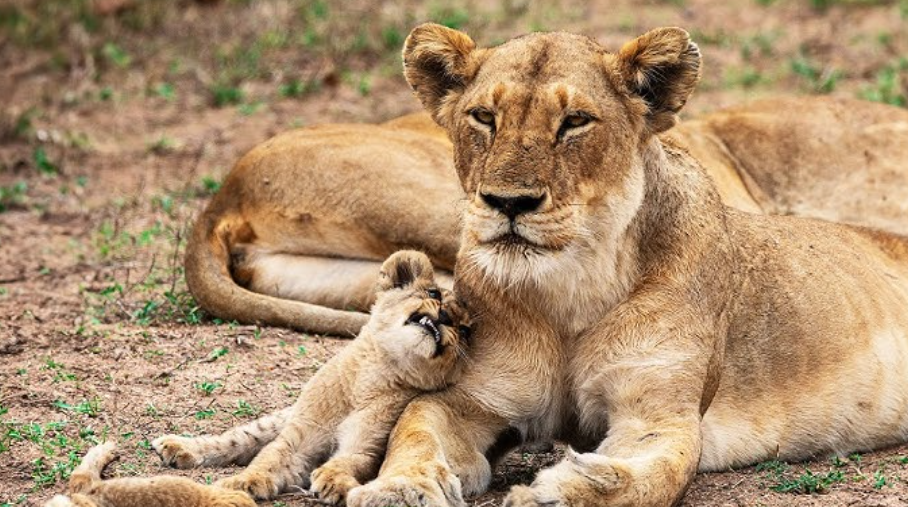
- Group care: In many prides, lionesses nurse and protect each other’s cubs.
- Learning through play: Cubs learn hunting movements by chasing, wrestling, and pouncing.
- Protection by pride: Adult females protect cubs from predators, while males help defend territory.
Raising cubs is difficult in the wild. Many cubs do not survive their first two years because of starvation, disease, predators, and attacks from new males after pride takeovers. This is one reason why pride protection is so important.
Male lions do not care for cubs in the same direct way as lionesses. However, a strong male or coalition protects the pride from rival males. This protection increases the cubs’ chance of survival.
As cubs grow, they become part of the pride’s social system. Young females may stay and later become mothers. Young males usually leave and begin the dangerous journey toward adulthood.
The importance of them in this Ecosystem
Lions control herbivore populations.
Lions are apex predators, meaning they are near the top of the food chain. They help control the numbers of herbivores such as zebras, antelopes, buffalo, and wildebeests.
Without predators like lions, some herbivore populations may increase too much. This can lead to overgrazing, soil damage, and loss of plant diversity.
Lions keep prey populations healthier.
Lions often hunt weak, sick, young, or old animals. This natural selection can help keep prey populations healthier over time.
By removing weaker animals, lions reduce disease transmission and support stronger breeding groups among prey species.
Lions support scavengers
After lions finish eating, the leftover meat feeds many other animals. Hyenas, jackals, vultures, beetles, and smaller scavengers benefit from lion kills.
This means lions help move energy through the Ecosystem. A single lion hunt can feed many species.
Lions protect natural landscapes.
Where lions are protected, large habitats are often protected too. These landscapes also support elephants, giraffes, rhinos, birds, insects, reptiles, grasses, and trees.
So, saving lions can also save entire ecosystems.
Lions support eco-tourism
Lions are one of the most famous animals in wildlife tourism. Many people travel to see them in national parks and reserves.
Responsible tourism can create jobs and support local communities. When people benefit from living near wildlife, they are more likely to support conservation.
Important Things That You Need To Know
When learning about the lion’s life cycle, it is useful to understand some related search terms because not all “lion” words mean the same thing.
First, the lion usually refers to Panthera leo, the big cat found mainly in Africa and India. This is the animal connected with prides, manes, cubs, hunting, and savanna ecosystems.
Second, mountain lions are not true lions. It is another name for the cougar or puma, scientifically called Puma concolor. Mountain lions live in the Americas and are usually solitary. They cannot roar like true lions, and they belong to a different cat group.
Third, Barbary lion refers to a North African lion population that is now regionally extinct in the wild. It is historically famous for its large body and impressive mane, but modern science groups it within the broader Panthera leo leo lineage.
Fourth, the term “lion drawing” is a popular search term for both education and creativity. Many students and wildlife lovers use lion drawings to learn body parts, mane shape, cub features, and life cycle diagrams.
Finally, the Food Lion near me and the Food Lion weekly ad are not related to the animal. Food Lion is a supermarket brand, so these searches are about grocery stores, shopping, and weekly offers, not wildlife.
Knowing these differences helps readers find the right information and avoid confusion.
What to do to protect them in nature and save the system for the future
Protecting lions means protecting land, prey, people, and the balance between wildlife and human life. Lions cannot survive only inside small fenced areas forever. They need connected habitats, safe prey populations, and support from local communities.
- Protect lion habitats: Grasslands, savannas, woodlands, and wildlife corridors must be protected from uncontrolled development.
- Reduce human-lion conflict: Farmers need better livestock fences, night enclosures, and fair compensation when livestock is lost.
- Stop illegal hunting: Strong law enforcement is needed to prevent poaching and illegal wildlife trade.
- Protect prey animals: Lions cannot survive without wild prey, so antelope, zebra, buffalo, and other prey species must also be conserved.
- Support local communities: Conservation works better when nearby communities benefit from jobs, tourism, education, and support programs.
- Improve disease monitoring: Lions can be affected by diseases from domestic animals, so veterinary monitoring is important.
- Create wildlife corridors: Corridors help lions move safely between habitats and reduce genetic isolation.
- Control habitat fragmentation: Roads, farms, mining, and towns should be planned carefully near lion landscapes.
- Promote responsible tourism: Tourism should not disturb hunting, breeding, or cub-rearing areas.
- Teach young people: Education helps future generations understand why lions matter.
- Support science-based conservation: Population surveys, GPS tracking, and field research help experts develop more effective protection plans.
- Protect Asiatic lions carefully: Because they live mainly in one region, disease, fire, or disaster could be dangerous to the entire population.
The future of lions depends on action today. Saving lions is not only about saving a beautiful animal. It is about saving the wild systems that support many forms of life.
Frequently Asked Questions (FAQs)
Q1: What is the lion’s life cycle?
A: The lion’s life cycle is the journey from newborn cub to adult lion. It includes birth, nursing, learning, hunting practice, adulthood, reproduction, and old age.
Q2: How many stages are in the lion’s life cycle?
A: The main stages are newborn cub, young cub, juvenile, sub-adult, adult, and old lion.
Q3: How long is a lion pregnant?
A: A lioness is pregnant for about 108 to 110 days before giving birth.
Q4: How many cubs does a lioness have?
A: A lioness usually gives birth to two to four cubs, but litter size can range from one to six.
Q5: When do lion cubs start eating meat?
A: Lion cubs may start eating meat at around three months, but they still drink milk for several months.
Q6: Do male lions raise cubs?
A: Male lions usually do not feed or nurse cubs, but they protect the pride’s territory. This protection can help cubs survive.
Q7: Why do male lions leave the pride?
A: Young males often leave the pride when they become older. They may form coalitions and later try to control their own pride.
Q8: Why are lions important in nature?
A: Lions control prey populations, remove weak animals, feed scavengers through leftover kills, and help maintain ecosystem balance.
Conclusion
The lion’s life cycle shows how a small, helpless cub grows into one of nature’s most powerful predators. Each stage of life is important, from hidden newborn cubs to playful juveniles, strong adults, caring lionesses, and territory-defending males. Lions are more than symbols of strength. They are key animals in their ecosystems because they control prey numbers, support scavengers, and help maintain natural balance.
However, lions face serious threats from habitat loss, prey decline, human conflict, disease, and shrinking wild spaces. Current conservation data shows that lions are still vulnerable, even though some populations, such as the Asiatic lions of Gujarat, have shown encouraging growth.
Protecting lions means protecting the full system around them: land, prey, water, local communities, and wildlife corridors. If people act wisely, future generations will still be able to see lions living freely in nature.
Also Read: life cycle of salmon