The cheetah’s life cycle is one of the most fascinating survival stories in the animal kingdom. A cheetah, scientifically known as Acinonyx jubatus, is famous as the fastest land animal on Earth. Unlike lions or leopards, cheetahs are built for speed, not strength. Their slim body, long legs, flexible spines, deep chests, and semi-retractable claws help them run at extremely high speeds while chasing prey. Britannica notes that cheetahs can routinely reach 80–100 km/h during a chase, with measured top speeds up to 114 km/h.
The life cycle of a cheetah begins as a helpless cub hidden in grass or thick vegetation. Cubs depend fully on their mother for milk, warmth, safety, and hunting lessons. As they grow, they move from the hidden cub stage to the learning stage, then adolescence, and finally adulthood. According to the Cheetah Conservation Fund, cheetahs are commonly described through three broad life stages: cub, adolescent, and adult, but for easier understanding, this article explains the life cycle in four clear stages.
Today, the cheetah is a vulnerable species. The IUCN Cat Specialist Group estimates that about 6,517 mature cheetahs are distributed across 33 subpopulations, with many groups small, fragmented, and declining.
Quick Answers: Most Common Questions
Q: What are the main stages of the cheetah life cycle?
A: The main stages are newborn cub, growing cub, adolescent cheetah, and adult cheetah.
Q: How long do cheetah cubs stay with their mother?
A: Cheetah cubs usually stay with their mother for about 18 months, learning hunting, hiding, and survival skills.
Q: How long does a cheetah live?
A: In the wild, cheetahs often live around 8–10 years on average, while in human care, they may live around 12–15 years or sometimes longer.
Quick Life Cycle Table
| Stage | Age Range | What Happens |
| Newborn Cub | Birth–2 months | Hidden in the grass, it depends fully on the mother |
| Growing Cub | 2–18 months | Starts walking, eating meat, playing, and learning hunting |
| Adolescent | 18–24 months | Leaves mother; practices hunting and survival |
| Adult Cheetah | 24+ months | Hunts independently, mates, and protects territory or home range |
Important Things That You Need To Know
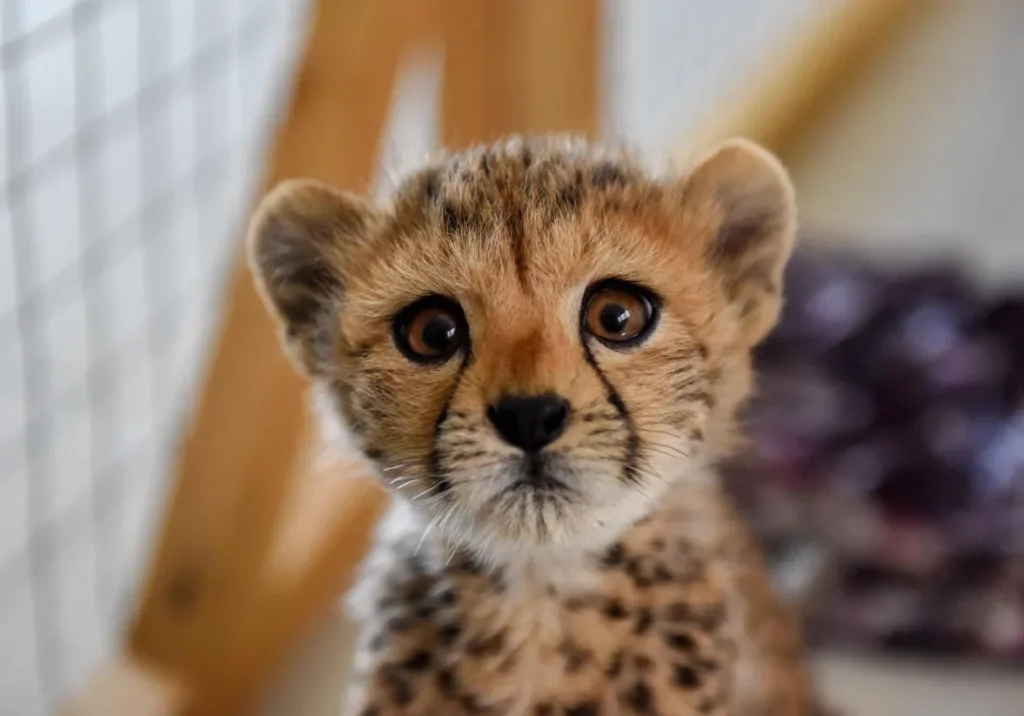
Understanding the cheetah means looking beyond speed. The cheetah’s life cycle is shaped by danger, learning, habitat, prey availability, and human pressure. A cheetah cub may look cute and playful, but its early life is very risky. Predators such as lions, hyenas, and leopards can kill cubs, while food shortage, disease, and habitat loss make survival even harder. The San Diego Zoo reports that cubs commonly live with their mother for about 18 months, and many are lost to larger predators before reaching independence.
Important LSI terms connected to this topic include cheetah cubs, cheetah habitat, cheetah lifespan, Acinonyx jubatus, and cheetah conservation. These terms help explain the full story of the species, not just one stage of life.
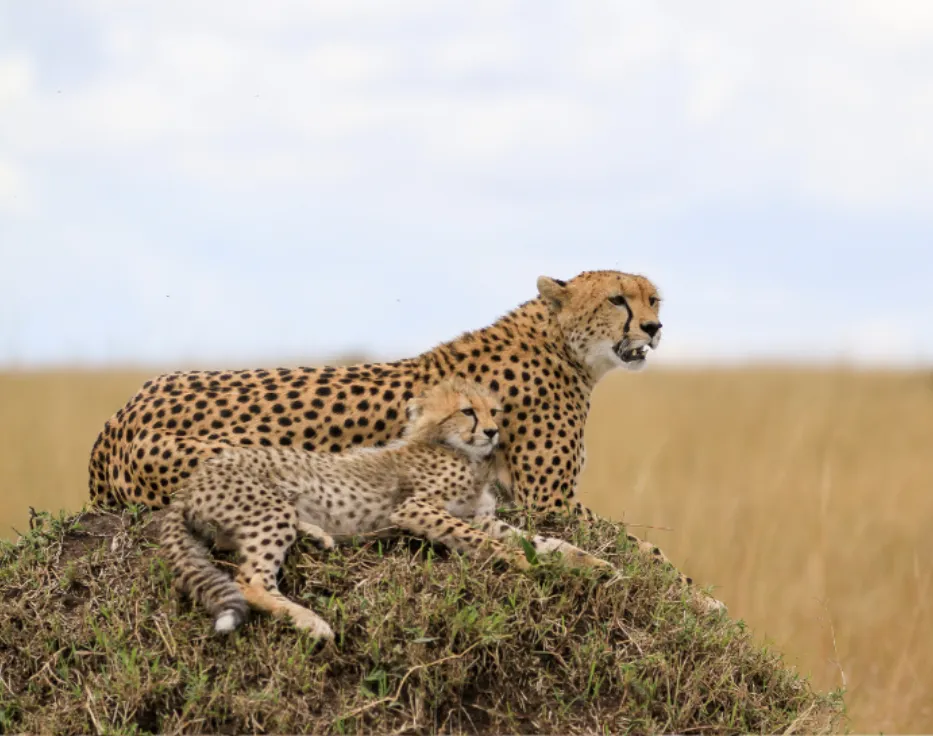
The cheetah habitat is usually open grassland, savanna, semi-desert, shrubland, and dry woodland. Cheetahs need open space because their hunting method depends on spotting prey, stalking quietly, and sprinting over short distances. However, the need for large land areas creates problems because farms, roads, fences, and settlements fragment natural habitats.
The cheetah’s lifespan also depends strongly on the environment. A cheetah in the wild faces injury, starvation, competition, and conflict with humans. A cheetah in captivity may live longer because it receives medical care and regular food, but captivity is not the ideal solution for wild conservation. The real goal is to protect wild cheetahs in healthy ecosystems.
The History of Their Scientific Naming, Evolution, and Origin
Scientific Name: Acinonyx jubatus
The scientific name of the cheetah is Acinonyx jubatus. The genus name Acinonyx is linked to the cheetah’s unusual claws, which are not fully retractable like those of many other cats. The species name jubatus means “crested” or “maned,” referring to the long mantle-like fur seen especially in young cubs. Britannica also lists the cheetah as Acinonyx jubatus and notes its older common name, hunting leopard.
Evolutionary Origin
Cheetahs belong to the cat family Felidae, but they are very different from heavier big cats. Their bodies evolved for speed: long limbs, light bones, a deep chest, a flexible spine, and a balancing tail. Britannica explains that molecular studies connect cheetahs with the puma and jaguarundi, suggesting a shared evolutionary line millions of years ago.
Historical Range
Historically, cheetahs lived across parts of Africa, the Middle East, and Asia. Today, nearly all wild cheetahs live in Africa, while the Asiatic cheetah survives only in very small numbers in Iran.
Their Reproductive Process, Giving Birth And Rising Their Children
Mating and Reproductive Age
Female cheetahs usually become reproductively mature at around two to three years of age. Males may also become mature around this time, although wild males often need to gain access to a territory or a coalition before breeding successfully. Cheetahs do not have a fixed breeding season; they can breed year-round when conditions allow.
Pregnancy and Birth
The cheetah’s gestation period is about three months, often around 90–95 days. A female normally gives birth in a hidden place such as tall grass, thick vegetation, or a sheltered den-like area. Litter size varies, but females often give birth to three to five cubs, and larger litters can occur. San Diego Zoo states that females naturally give birth to three to five cubs and may have up to eight.
Raising the Cubs Alone
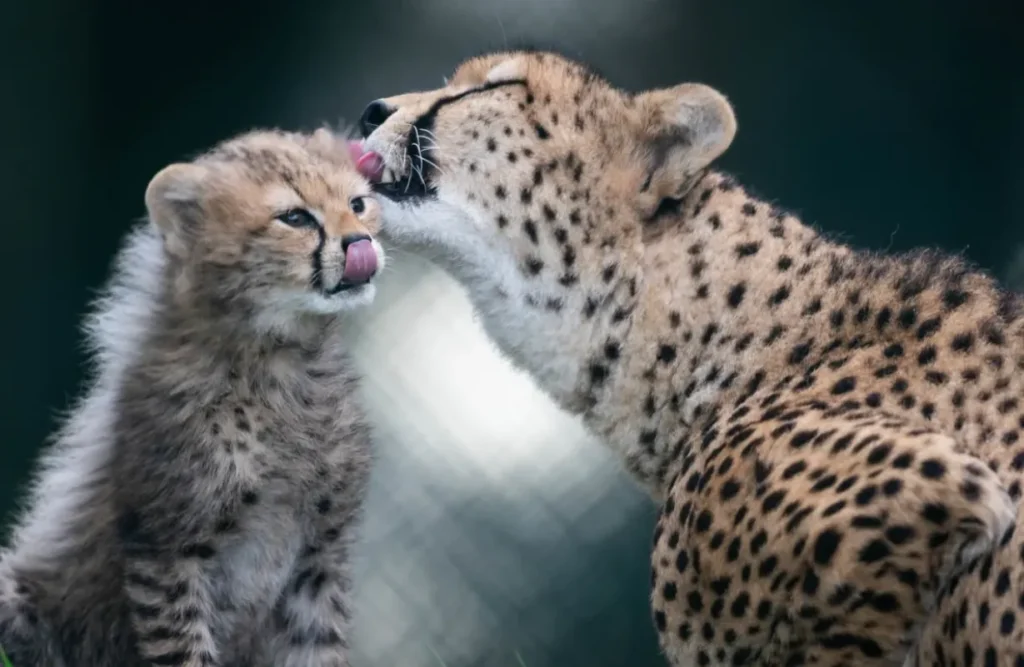
The mother raises the cubs by herself. This is a major challenge because she must hunt for food while also protecting the cubs. During the first weeks, cubs remain hidden, and the mother often moves them to reduce scent buildup and avoid predators.
Teaching Survival
At around six months, cubs begin learning hunting skills. The mother may bring them close to prey, allow them to observe, and later help them practice chasing. These lessons are essential because speed alone does not make a successful hunter.
Stages of the Cheetah Life Cycle
Stage 1: Newborn Cub
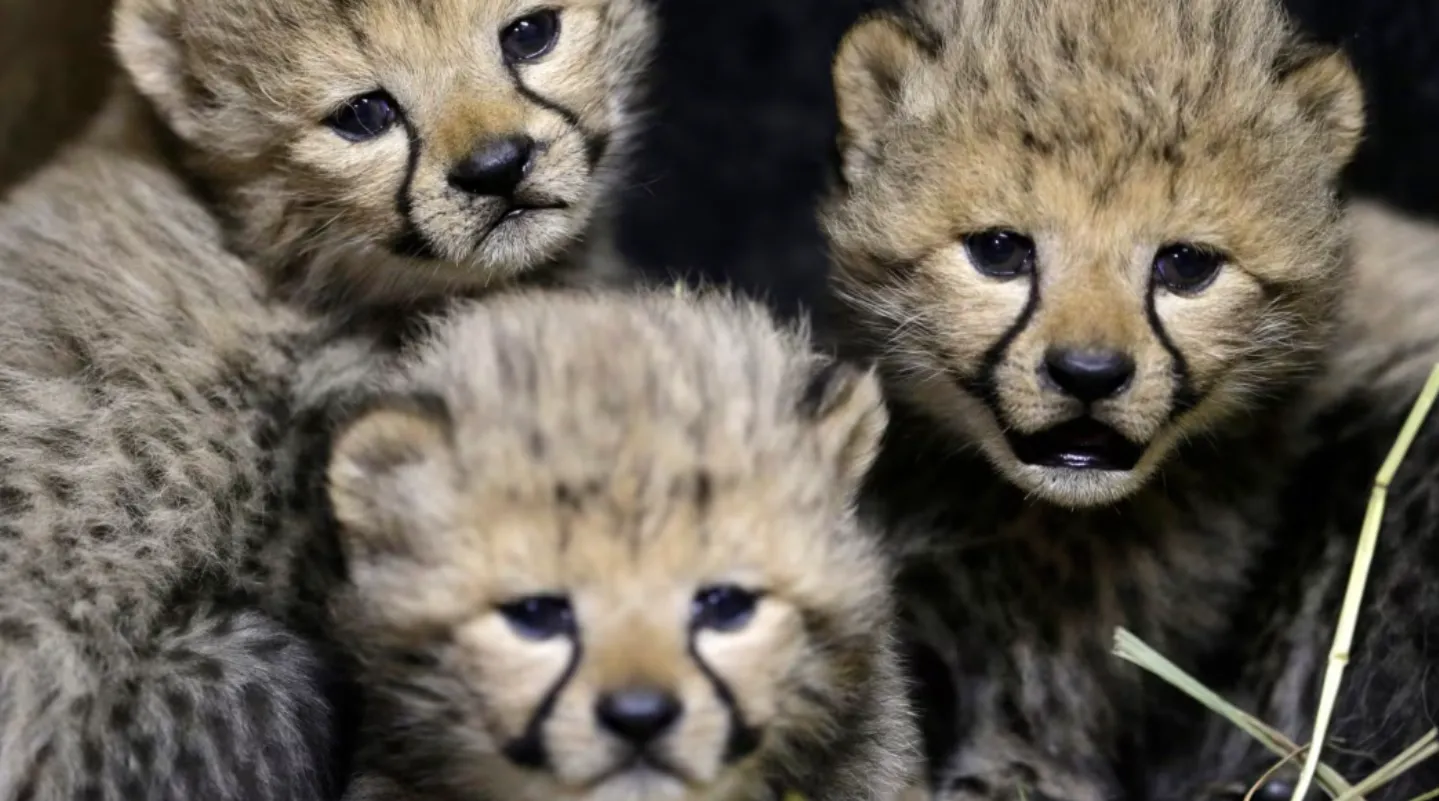
The cheetah’s life cycle begins with a tiny cub weighing only a few hundred grams. Newborn cubs are blind, weak, and completely dependent on their mother. Their eyes open after several days, and they slowly begin crawling and walking.
At this stage, survival depends on hiding. The mother keeps them in thick grass or vegetation, away from lions, hyenas, jackals, and leopards. Cheetah cubs have a grayish, long-furred mantle along their backs. This may help with camouflage and may also make them look less vulnerable to predators.
Stage 2: Growing Cub
After about two months, cubs become more active and begin following their mother. They start eating meat, although they may continue nursing for some time. Play becomes a serious part of learning. Cubs chase, jump, wrestle, stalk, and pounce on each other.
This playful behavior is not random. It prepares them for real hunting. They learn balance, timing, coordination, and stealth. However, this is still a dangerous stage because cubs are not strong enough to defend themselves.
Stage 3: Adolescent Cheetah
Around 18 months, young cheetahs usually separate from their mother. They may stay with siblings for a while, especially males. Male siblings often form coalitions, which help them defend territory and improve survival.
Adolescent cheetahs are still learning. They must hunt successfully, avoid stronger predators, and understand their environment. This stage is a major test because they no longer depend on their mother.
Stage 4: Adult Cheetah
By around 24 months, cheetahs are considered adults. Adult females usually live alone except when raising cubs. Adult males may live alone or in coalitions.
At this stage, the cheetah contributes to the next generation. It hunts, mates, competes, and plays an important role in balancing prey populations. The Cheetah Conservation Fund describes adulthood as beginning at about 24 months.
Their main diet, food sources, and collection process are explained.
The cheetah is a carnivore, meaning it eats meat. Its diet mainly includes small to medium-sized animals that live in open habitats. Common prey includes gazelles, impalas, springbok, hares, birds, rodents, and sometimes young animals of larger species. The Cheetah Conservation Fund notes that wild cheetahs prefer prey such as Thomson’s gazelles, impalas, and other small to medium antelopes.
Cheetahs hunt differently from lions. They do not usually ambush from very close cover or overpower large prey with strength. Instead, they use a three-step process:
- Searching: The cheetah scans open land for suitable prey, often during daylight.
- Stalking: It moves quietly and slowly, trying to get close without being detected.
- Sprinting: When close enough, it explodes into a high-speed chase.
- Tripping and killing: The cheetah may knock prey off balance and then kill it with a throat bite.
- Eating quickly: Cheetahs often eat fast because lions, hyenas, leopards, and jackals may steal the kill.
Cheetahs usually avoid risky fights. This is why they often hunt smaller prey instead of large, dangerous animals. Their bodies are designed for speed and precision, not heavy combat.
How Long Does A Cheetah Live
- A cheetah’s lifespan is not one fixed number. It changes depending on whether the cheetah lives in the wild, in captivity, in a protected area, or near human settlements.
- In the wild, many cheetahs live around 8–10 years on average. Smithsonian’s National Zoo gives the average wild lifespan as 8 to 10 years. This is a useful general estimate because wild cheetahs face predators, injury, hunger, disease, and competition.
- Some sources give slightly different estimates of the wild lifespan. Britannica states that life expectancy is about 7 years in the wild, while the Cheetah Conservation Fund notes that wild adults may live 10–12 years, with adult males often living shorter lives. These differences happen because researchers may study different regions, age groups, and survival conditions.
- Male cheetahs often face more territorial risk. Males may fight rival males, defend territories, or cross dangerous landscapes. This can reduce their average lifespan.
- Female cheetahs face reproductive pressure. A mother must hunt while raising cubs alone. If prey is low or predators are common, both the mother and cubs face serious survival challenges.
- Cubs have the highest risk of death. Young cubs are vulnerable to lions, hyenas, leopards, starvation, bad weather, and abandonment. Cheetah Conservation Fund reports that cub mortality can be very high in some regions.
- In captivity, cheetahs often live longer. Smithsonian reports an average of 12–15 years in human care. Cheetah Conservation Fund notes that some captive cheetahs can live 17–20 years.
- A longer lifespan in captivity does not mean captivity is better for the species. A healthy wild population is more important for biodiversity, natural behavior, and ecosystem balance.
Cheetah Lifespan in the Wild vs. in Captivity
Lifespan in the Wild
In the wild, a cheetah lives under constant pressure. It must hunt for every meal, avoid larger predators, protect cubs, and move through shrinking habitats. Wild cheetahs typically live 8–10 years on average, though some individuals live longer in good conditions.
Wild lifespan is strongly affected by prey availability. If gazelles, impalas, or other prey animals decline, cheetahs must travel farther and spend more energy hunting.
Lifespan in Captivity
In captivity or human care, cheetahs often receive regular food, veterinary care, shelter, and protection from predators. This can increase survival. Smithsonian gives the average captive lifespan as 12–15 years, while Cheetah Conservation Fund notes that captive cheetahs can sometimes live 17–20 years.
Main Difference
The main difference is not biology alone; it is risk. Wild cheetahs face natural and human-made dangers. Captive cheetahs avoid many of those dangers but lose the full freedom of wildlife.
Importance of the Cheetah in this Ecosystem
Controls Prey Populations
The cheetah helps control populations of small and medium-sized herbivores. By hunting animals such as gazelles and impalas, cheetahs help maintain a balance between grassland vegetation and grazing animals.
Supports Natural Selection
Cheetahs often catch weak, young, injured, or less alert prey. This process helps maintain healthier prey populations over time because stronger and more alert animals are more likely to survive and reproduce.
Indicates Ecosystem Health
A healthy cheetah population usually indicates that the ecosystem still has enough open land, prey, and a natural balance. When cheetahs disappear, it may signal deeper problems such as habitat loss, prey decline, or human-wildlife conflict.
Part of Predator Diversity
Cheetahs fill a different role from lions, leopards, and hyenas. They hunt mainly by speed and often during the day. This reduces direct competition and creates a unique predator niche.
Conservation Value
Protecting cheetah habitat also protects many other species that share the same grasslands and savannas. The IUCN Cat Specialist Group notes that much of the cheetah’s range lies outside protected areas, making landscape-level conservation especially important.
What to do to protect them in nature and save the system for the future
1. Protect Large Natural Habitats
- Cheetahs need wide open spaces to hunt, move, mate, and raise cubs.
- Governments and conservation groups should protect grasslands, savannas, dry forests, and wildlife corridors.
- Habitat fragmentation must be reduced by careful planning of roads, farms, and settlements.
2. Reduce Human-Wildlife Conflict
- Farmers should use non-lethal methods to protect livestock.
- Guard dogs, strong kraals, better fencing, and herder training can reduce livestock loss.
- Killing cheetahs in revenge damages both wildlife and the ecosystem.
3. Stop Illegal Wildlife Trade
- Cheetah cubs are sometimes captured for the exotic pet trade.
- Stronger law enforcement, border control, and public education are needed.
- People should never buy wild animals as pets.
4. Protect Wild Prey
- Cheetahs cannot survive without natural prey.
- Overhunting of gazelles, antelopes, and other prey species must be controlled.
- Restoring prey populations helps reduce conflict with livestock owners.
5. Support Science-Based Conservation
- Conservation must use real data, not guesswork.
- Radio collars, camera traps, genetic studies, and local community programs help protect cheetahs.
- Supporting trusted conservation organizations helps long-term survival.
Fun & Interesting Facts About Cheetah
- Cheetahs are the fastest land animals, reaching extreme speed in short bursts.
- They cannot roar like lions or tigers. Instead, they chirp, purr, hiss, growl, and make other sounds.
- Their black “tear marks” help reduce sun glare and may improve focus while hunting.
- A cheetah’s tail works like a balancing rudder during fast turns.
- Cheetahs have semi-retractable claws, giving them a better grip like running spikes.
- They usually hunt during the day, especially early morning or late afternoon.
- Cubs have a fluffy mantle on their back that may help camouflage them.
- Male siblings often form coalitions and may stay together for life.
- Cheetahs prefer to avoid fights because injuries can prevent them from hunting.
- A cheetah chase is usually short because sprinting uses huge amounts of energy.
- They often eat quickly to avoid losing food to lions, hyenas, or leopards.
- The king cheetah is not a separate species; it is a rare coat pattern caused by genetics.
- Cheetahs are built for speed, while leopards are built more for strength and climbing.
Frequently Asked Questions (FAQs)
Q: What is the cheetah’s life cycle?
A: The cheetah life cycle is the natural growth process from newborn cub to adult. It includes birth, the hidden-cub stage, the learning-and-playing stage, adolescence, independence, adulthood, mating, and raising the next generation.
Q: How many cubs does a cheetah usually have?
A: A female cheetah usually gives birth to three to five cubs, although litter size can vary. Some litters may be smaller or larger.
Q: What do cheetah cubs eat?
A: Newborn cubs drink their mother’s milk. As they grow, they begin eating meat from prey their mother catches. Later, they learn to hunt for themselves.
Q: Why do many cheetah cubs die young?
A: Many cubs die because of predators such as lions, hyenas, and leopards. Other risks include starvation, disease, bad weather, and habitat disturbance.
Q: Are cheetahs endangered?
A: The cheetah is generally listed as Vulnerable, and its population trend is a major concern. The IUCN Cat Specialist Group estimates about 6,517 mature individuals, with many populations small and fragmented.
Conclusion
The cheetah’s life cycle shows how beauty, speed, and survival are connected in nature. From a helpless cub hidden in tall grass to a powerful adult hunter, every stage of a cheetah’s life depends on careful learning, strong habitat, enough prey, and protection from threats. The cheetah is not just a fast animal; it is an important predator that helps maintain balance in grassland and savanna ecosystems.
However, the future of Acinonyx jubatus is not guaranteed. Habitat loss, prey decline, illegal trade, and human-wildlife conflict continue to reduce wild populations. Protecting cheetahs means protecting open landscapes, supporting local communities, stopping illegal capture, and conserving prey species. If people act wisely, the fastest land animal on Earth can continue running across wild landscapes for generations to come.
Also Read: butterflies life cycle