The life cycle of a Bee is one of the most fascinating natural processes in the animal kingdom. Bees are not only essential pollinators but also highly organized insects with complex developmental stages. From egg to adult, their journey reflects a perfect balance of biology, teamwork, and survival strategies.
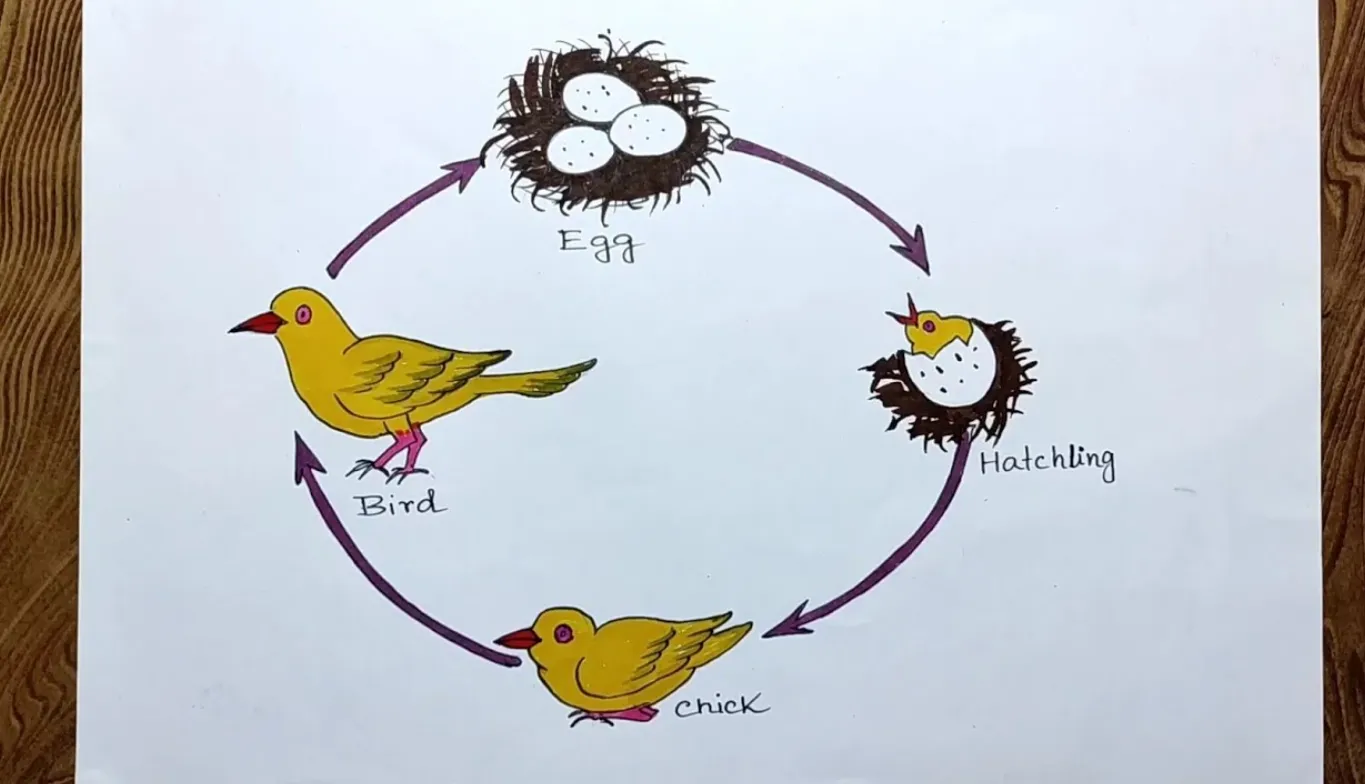
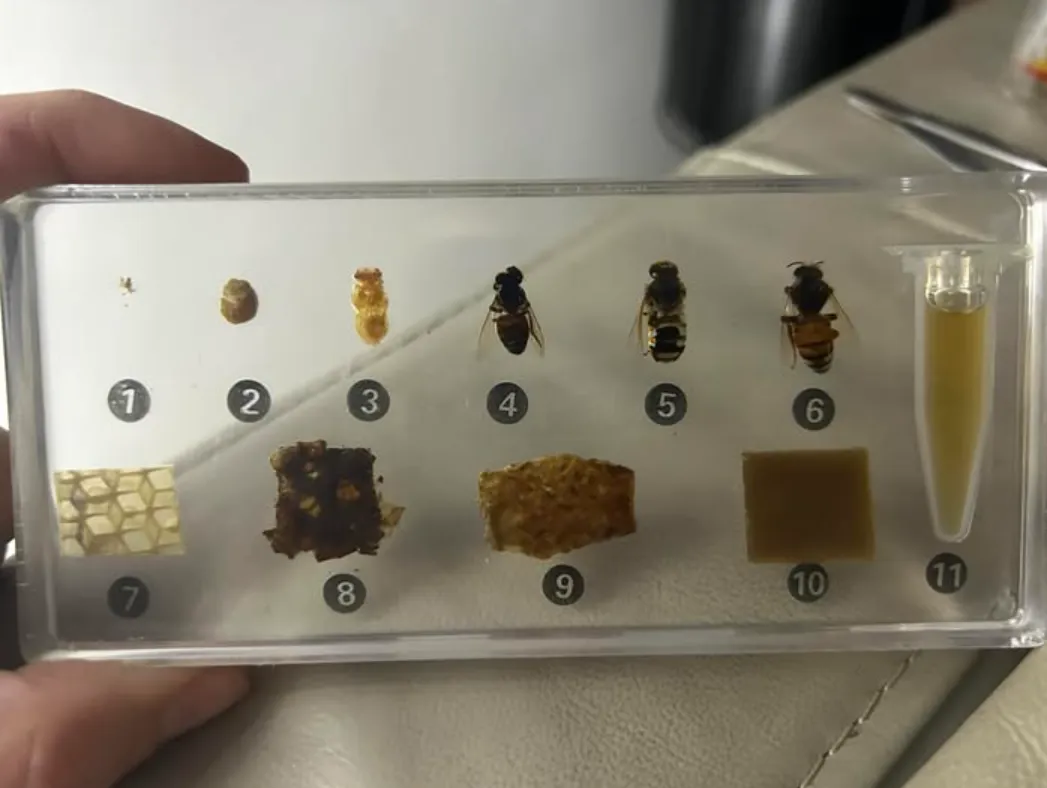
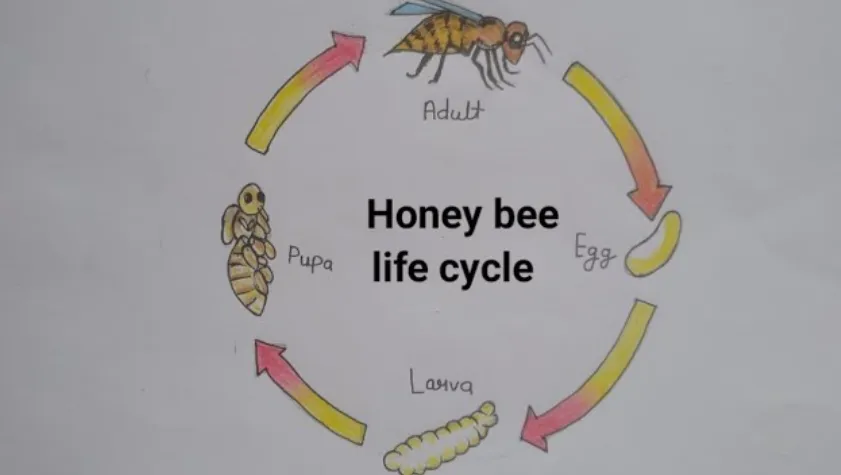
Understanding the life cycle of a bee helps us appreciate its crucial role in agriculture and ecosystems. Bees undergo complete metamorphosis, meaning they pass through four distinct stages: egg, larva, pupa, and adult. Each stage plays a vital role in maintaining the colony’s continuity.
Today, due to environmental changes and human activities, bees face serious threats. Learning about their life cycle allows us to understand how delicate their existence is and why protecting them is essential.
✅ Quick Answers (Most Common Questions)
1. How long is the life cycle of a bee?
It varies by type: worker bees live around 5–6 weeks, while queens can live several years.
2. What are the stages in a bee’s life cycle?
Egg → Larva → Pupa → Adult.
3. Why is the bee life cycle important?
It ensures global pollination, biodiversity, and food production.
Quick Life Cycle Table
| Stage | Duration (Approx.) | Description |
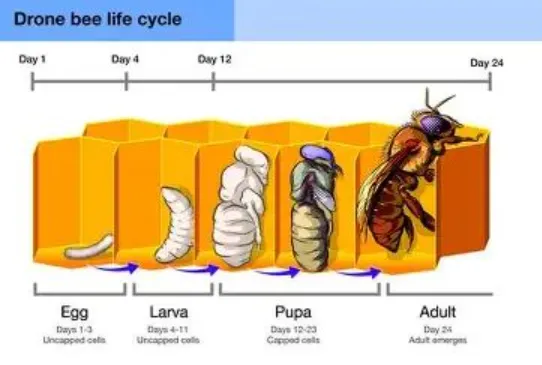
| Egg | 3 days | Queen lays eggs in honeycomb cells |
| Larva | 5–6 days | Worm-like stage, fed royal jelly or pollen |
| Pupa | 7–14 days | Transformation into an adult bee |
| Adult | Weeks to years | Worker, drone, or queen bee |
The History Of Their Scientific Naming
The scientific naming of bees has evolved through centuries of biological research and classification. Below are key points:
- Bees belong to the order Hymenoptera, which also includes ants and wasps.
- The most common honeybee is scientifically named Apis mellifera, meaning “honey-bearing bee.”
- Carl Linnaeus, the father of taxonomy, first classified bees in the 18th century.
- Originally, honeybees were named Apis mellifera, but it was later corrected to mellifera.
- There are over 20,000 bee species worldwide, each classified into different genera.
- Scientific naming helps distinguish species, such as bumblebees (Bombus) and stingless bees (Meliponini).
This classification system allows scientists to study bee behavior, evolution, and ecological roles more accurately.
Their Evolution And Their Origin
Bees are believed to have evolved around 100 million years ago during the Cretaceous period. Their origin is closely linked with flowering plants, which also began diversifying at that time.
Early bees likely evolved from predatory wasps. Over time, these ancestors shifted from hunting insects to collecting pollen and nectar. This transition marked a major evolutionary milestone.
As flowering plants spread, bees adapted alongside them. This mutual relationship is known as coevolution, in which both species benefit. Plants rely on bees for pollination, while bees depend on plants for food.
Different types of bees evolved to suit different environments:
- Honeybees developed complex social structures.
- Bumblebees adapted to colder climates.
- Solitary bees evolved to live independently without colonies.
Fossil evidence shows that ancient bees had features similar to those of modern species, demonstrating their evolutionary success.
Today, bees are among the most efficient pollinators on Earth, playing a key role in maintaining biodiversity.
Their Main Food and Its Collection Process
Bees primarily feed on nectar and pollen, which provide essential nutrients for survival and growth.
🌼 Main Food Sources:
- Nectar – Provides carbohydrates and energy
- Pollen – Rich in proteins, vitamins, and minerals
- Royal Jelly – Special food for queen larvae
- Honey – Stored food for winter survival
🐝 Collection Process:
- Worker bees fly from flower to flower using their keen sense of smell.
- They use their proboscis (tongue-like organ) to extract nectar.
- Pollen sticks to their hairy bodies and is stored in pollen baskets (corbiculae).
- Bees communicate the location of food using the famous waggle dance.
- Collected nectar is converted into honey through enzymatic processes.
This efficient system ensures the entire colony has enough food year-round.
Important Things That You Need To Know
The life cycle of a bee, also written as the life cycle of a bee, often refers to the same biological process but may vary in spelling or regional search usage. Understanding these variations helps in SEO and knowledge expansion.
The life cycle of a bee includes the same four stages: egg, larva, pupa, and adult. However, different bee species may show slight variations in duration and behavior.
Key Insights:
- The life cycle of an abee involves complete metamorphosis.
- Worker bees have shorter life spans compared to queens.
- Environmental conditions affect development speed.
- Colony structure influences survival and growth.
- Seasonal changes impact reproduction and activity.
By understanding the life cycle of a bee, researchers and farmers can better protect pollinators and improve agricultural productivity.
Their Life Cycle and Ability to Survive in Nature
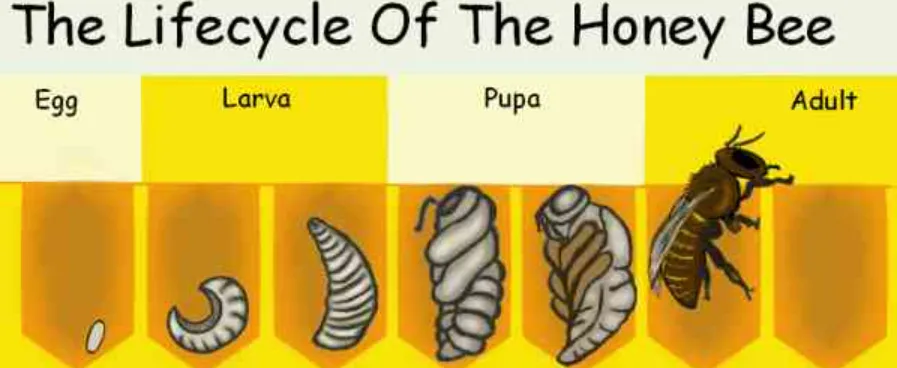
🐝 Egg Stage
The queen lays eggs in hexagonal wax cells. Each egg is tiny and white, hatching within three days.
🐛 Larva Stage
Larvae are fed continuously by worker bees. Their diet determines whether they become workers or queens.
🧬 Pupa Stage
Inside sealed cells, larvae transform into adult bees. This stage is critical for development.
🐝 Adult Stage
Adult bees take on roles such as workers, drones, or queens. Each has specific duties for colony survival.
Bees survive through teamwork, communication, and adaptability. Their structured society ensures efficiency and resilience in nature.
Their Reproductive Process and Raising Their Children
- The queen bee mates with multiple drones during a flight.
- She stores sperm and lays fertilized or unfertilized eggs.
- Fertilized eggs become workers or queens; unfertilized eggs become drones.
- Worker bees care for larvae by feeding and cleaning cells.
- Royal jelly determines if a larva becomes a queen.
- The colony regulates temperature to ensure proper development.
This highly organized reproductive system ensures the colony’s growth and survival.
Importance of Them in this Ecosystem
🌍 Pollination Role
Bees pollinate over 75% of flowering plants, supporting biodiversity.
🌾 Agricultural Impact
They contribute to the production of fruits, vegetables, and crops.
🌱 Ecosystem Balance
Bees maintain plant diversity, which supports other wildlife.
🍯 Food Chain Support
Their activities help sustain entire ecosystems.
Without bees, ecosystems would collapse, affecting food supply worldwide.
What to Do to Protect Them in Nature and Save the System for the Future
- 🌼 Plant bee-friendly flowers like sunflowers and lavender
- 🚫 Avoid using harmful pesticides
- 🏡 Create safe habitats like bee hotels
- 💧 Provide clean water sources
- 🌱 Support organic farming practices
- 🐝 Protect natural habitats and forests
- 📚 Educate others about bee conservation
- 🛑 Reduce pollution and climate impact
Protecting bees ensures a sustainable future for all living organisms.
Frequently Asked Questions (FAQs)
1. What is the life cycle of a bee?
It includes egg, larva, pupa, and adult stages.
2. How long does a bee live?
Workers live for weeks; queens can live for years.
3. What do bee larvae eat?
Royal jelly, pollen, and nectar.
4. Why are bees important?
They are essential pollinators.
5. Do all bees live in colonies?
No, some are solitary.
6. How do bees reproduce?
Through mating between the queen and the drones.
7. What threatens bees?
Pesticides, climate change, habitat loss.
8. Can humans help bees?
Yes, by planting flowers and reducing chemicals.
Conclusion
The life cycle of a bee is a remarkable example of nature’s precision and efficiency. From tiny eggs to hardworking adults, each stage plays a crucial role in maintaining the balance of ecosystems.
Bees are not just insects—they are vital contributors to global food security and biodiversity. Their survival depends on environmental conditions and human actions. As threats like climate change and habitat destruction increase, protecting bees becomes more urgent than ever.
Understanding their life cycle helps us gain insight into their needs and challenges. Simple actions, such as planting flowers or avoiding pesticides, can make a significant difference.
Ultimately, safeguarding bees means safeguarding our future. Their survival is directly linked to ours, making them one of the most important species on Earth.
Also Read About: life cycle of a grasshopper