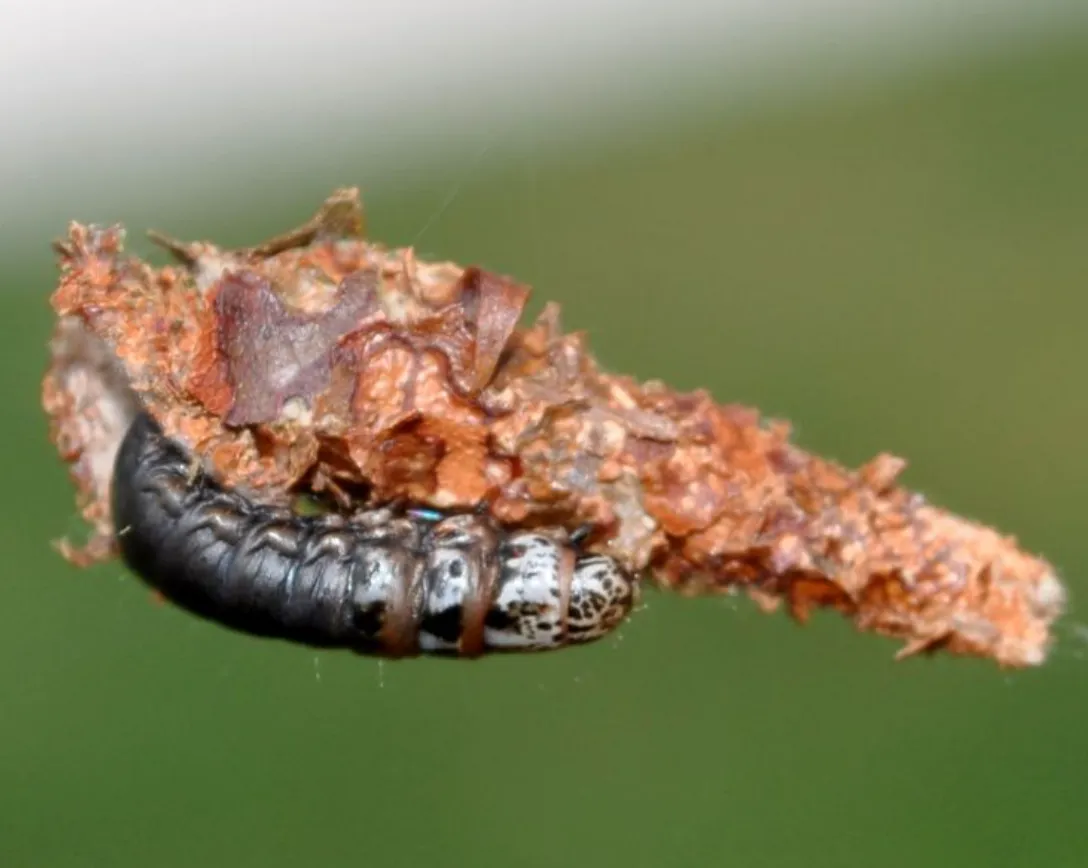
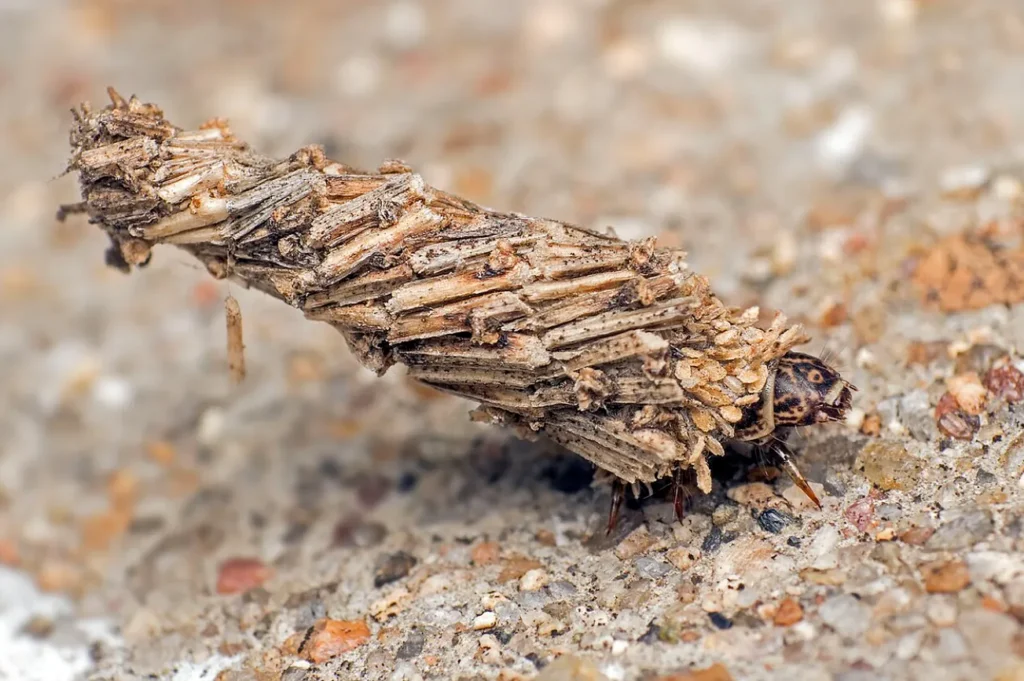
The bagworm life cycle is one of the most fascinating processes in the insect world. Bagworms, including species like the evergreen bagworm and plaster bagworm, are unique caterpillars that build protective cases around themselves using silk and plant materials. These pests are commonly found on trees, shrubs, and even inside homes, where they can cause noticeable damage if left unchecked.
Understanding their life cycle is crucial not only for effective bagworm control but also for appreciating their ecological role. From eggs to larvae, pupae, and adult bagworm moths, each stage plays a vital part in their survival and spread.
Quick Answers (Most Common Questions)
1. How long is the bagworm life cycle?
The bagworm life cycle typically lasts about one year, depending on environmental conditions.
2. What do bagworm caterpillars eat?
They feed on leaves, needles, and organic debris, especially from evergreen trees.
3. How can I get rid of bagworms?
Manual removal, insecticides, and natural predators are effective methods for bagworm treatment.
Quick Life Cycle Table
| Stage | Duration | Description |
| Egg | Winter months | Eggs remain inside the female’s bag until spring |
| Larva (Caterpillar) | Late spring–summer | Active feeding stage: builds a protective bag |
| Pupa | Late summer | Transformation stage inside the bag |
| Adult | Late summer–fall | Males emerge as moths; females remain in bags |
The History Of Their Scientific Naming
The scientific naming of bagworms reflects their unique biological characteristics and evolutionary traits.
- Bagworms belong to the family Psychidae, derived from the Greek word psyche, meaning “soul” or “butterfly.”
- The most common species, Thyridopteryx ephemeraeformis, is widely known as the evergreen bagworm.
- Early entomologists named them based on their case-building behavior, which sets them apart from other moth larvae.
- The term “bagworm” originates from their habit of living inside portable silk bags covered with plant material.
- Over time, different species like the plaster bagworm were identified, especially those adapted to indoor environments.
This classification helps scientists understand their behavior, habitat, and ecological impact.
Their Evolution And Their Origin
Bagworms have a long evolutionary history that dates back millions of years. They are part of the Lepidoptera order, which includes moths and butterflies. However, unlike many of their relatives, bagworms evolved a unique survival strategy—constructing protective cases.
These insects likely originated in tropical and subtropical regions, where dense vegetation provided abundant resources. Over time, they adapted to various climates, spreading across continents, including North America, Asia, and Africa.
One of their most notable evolutionary traits is sexual dimorphism. Male bagworm moths develop wings and can fly, while females remain larval-like and never leave their protective bags. This adaptation reduces energy expenditure and increases reproductive efficiency.
Their ability to camouflage themselves using plant debris has also evolved as a defense mechanism against predators. This makes them difficult to detect, allowing them to thrive in both natural and urban environments.
Today, bagworms are considered both pests and ecological contributors. Their adaptability has allowed them to survive environmental changes and human interference.
Their Main Food and Its Collection Process
Bagworms are herbivorous insects that primarily feed on plant material. Their feeding habits can significantly impact vegetation, especially when populations grow unchecked.
Main Food Sources
- Leaves of evergreen trees such as cedar, juniper, and pine
- Deciduous tree foliage
- Shrubs and ornamental plants
- Organic debris (for plaster bagworm)
- Occasionally, lichens and algae
Food Collection Process
- Larvae emerge and immediately begin feeding on nearby plant material
- They use silk to attach pieces of leaves or bark to their bags
- As they grow, they expand the bag by adding more material
- Feeding occurs from within the bag, with only the head extending outward
- They move slowly from branch to branch while feeding
This unique feeding method protects them from predators while allowing continuous nourishment.
Important Things That You Need To Know
Understanding key facts about bagworms can help in managing and identifying them effectively.
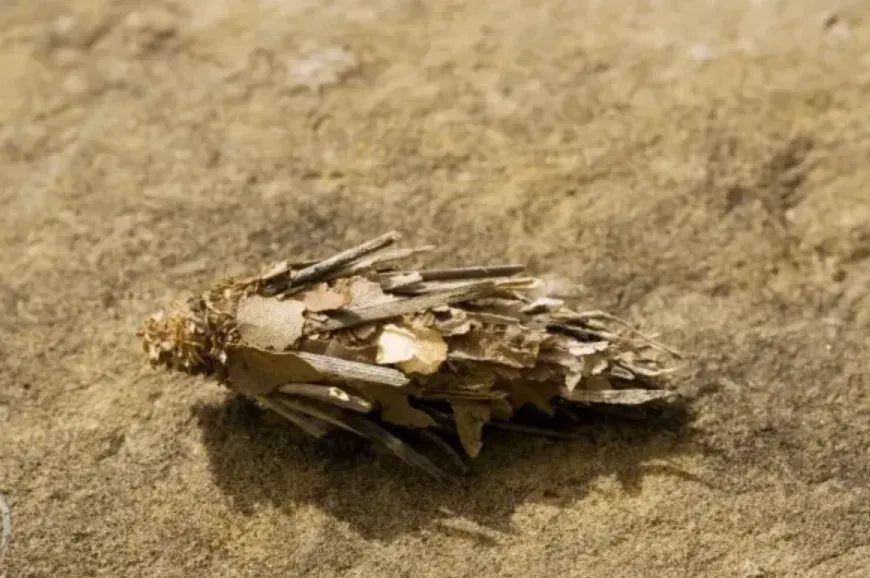
The bagworm, especially the evergreen bagworm, is a serious pest for ornamental plants. The bagworm moth caterpillar stage is the most destructive, as it feeds heavily on foliage.
The plaster bagworm differs slightly, often found indoors, feeding on dust, hair, and spider webs. This makes it a nuisance in homes rather than gardens.
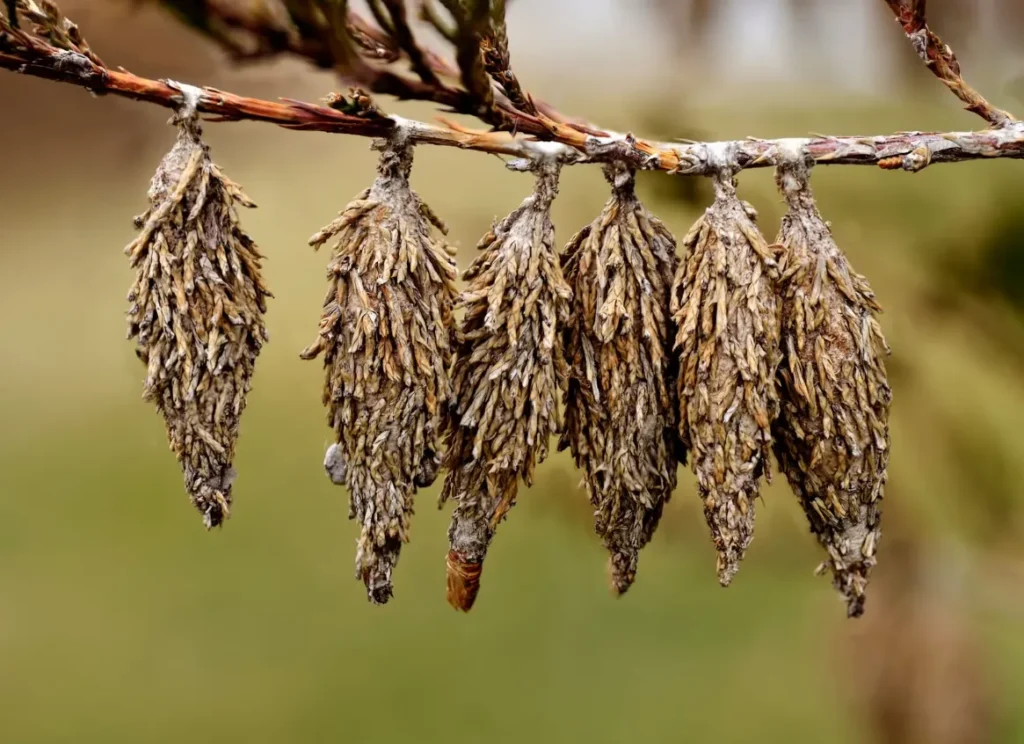
Effective bagworm control involves early detection. Small bags hanging from branches are often the first sign. If ignored, they can defoliate entire trees.
Proper bagworm treatment includes pruning affected areas, using biological controls like Bacillus thuringiensis (Bt), and encouraging natural predators such as birds.
Their Life Cycle and Ability to Survive in Nature
Egg Stage
Female bagworms lay hundreds of eggs inside their protective bags.
These eggs remain dormant throughout winter, ensuring survival in harsh conditions.
Larval Stage
In spring, larvae hatch and begin feeding immediately.
This stage is crucial for growth and survival.
Pupal Stage
After weeks of feeding, larvae enter the pupal stage inside their bags.
Transformation into adult form occurs during this period.
Adult Stage
Male moths emerge and seek females for mating.
Females remain inside their bags and lay eggs before dying.
Bagworms survive due to their protective cases, camouflage, and ability to adapt to various environments.
Their Reproductive Process and Raising Their Children
Bagworms have a unique reproductive strategy that ensures high survival rates.
- Males locate females using pheromones
- Fertilization occurs within the female’s bag
- Females lay 500–1000 eggs inside the same bag
- Eggs are protected from environmental threats
- After laying eggs, the female dies, leaving the next generation secured
This cycle ensures continuity even in challenging conditions.
Importance of Them in this Ecosystem
Natural Decomposers
Bagworms help break down plant material and organic debris.
Food Source for Predators
Birds, insects, and small animals feed on bagworms, maintaining ecological balance.
Indicator Species
Their presence can indicate environmental health and plant stress.
What to Do to Protect Them in Nature and Save the System for the Future
- Avoid excessive pesticide use that harms beneficial insects
- Encourage natural predators like birds
- Maintain plant diversity to balance ecosystems
- Use eco-friendly bagworm treatment methods
- Monitor plant health regularly
- Educate communities about their ecological role
- Practice sustainable gardening techniques
- Preserve natural habitats
Frequently Asked Questions (FAQs)
1. What is a bagworm?
A bagworm is a moth larva that builds a protective case using silk and plant material.
2. Where are bagworms commonly found?
They are found on trees, shrubs, and sometimes inside homes.
3. What damage do bagworms cause?
They can defoliate plants and weaken trees.
4. Are bagworms harmful to humans?
No, they are not harmful to humans.
5. How do bagworms spread?
Young larvae disperse through the wind or by crawling.
6. What is the best time to control bagworms?
Late spring and early summer during the larval stage.
7. Do bagworms turn into butterflies?
No, they become moths.
8. Can bagworms survive indoors?
Yes, especially plaster bagworms that feed on household debris.
Conclusion
The bagworm life cycle is a remarkable example of adaptation and survival in nature. From their unique bag-building behavior to their efficient reproductive strategy, bagworms demonstrate how even small insects can thrive in diverse environments.
While they are often considered pests due to their destructive feeding habits, they also play an essential role in ecosystems by contributing to decomposition and serving as a food source for other organisms.
Understanding their life cycle helps in managing infestations effectively while maintaining ecological balance. By adopting sustainable practices and promoting natural control methods, we can coexist with these fascinating creatures while protecting our plants and environment.
Ultimately, knowledge is the key to both control and conservation, making the study of bagworms not only practical but also deeply insightful.
Also Read: turtle cycle of life