The life cycle of a pumpkin is one of the most interesting plant journeys in nature. A small, flat pumpkin seed grows into a strong vine, produces large green leaves, forms yellow flowers, attracts bees for pollination, and finally develops into a mature pumpkin. This process is not only important for gardeners but also for students, farmers, food lovers, and anyone interested in how plants survive and reproduce.
A pumpkin is usually known as a round orange fruit, but botanically it belongs to the gourd family Cucurbitaceae. Pumpkins are commonly grown for food, decoration, livestock feed, and seasonal uses such as pumpkin pie, pumpkin bread, and autumn displays. Britannica notes that pumpkins are fruits of certain squash varieties, including Cucurbita pepo, Cucurbita moschata, and Cucurbita maxima.
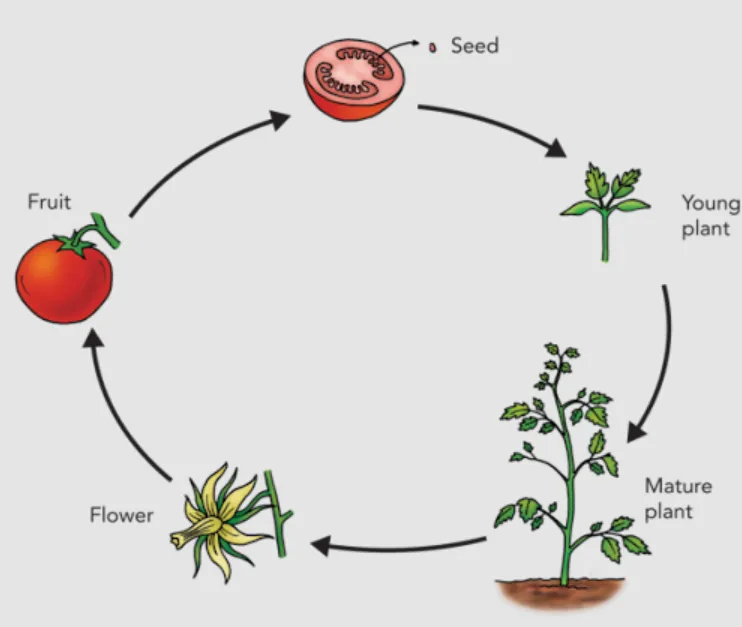
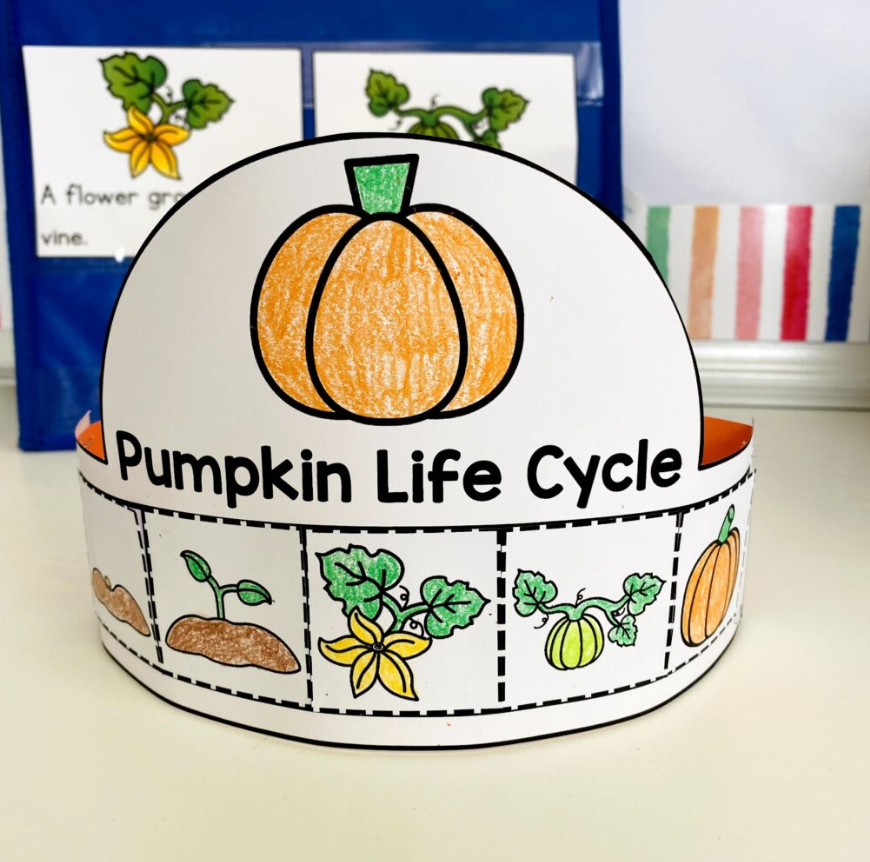
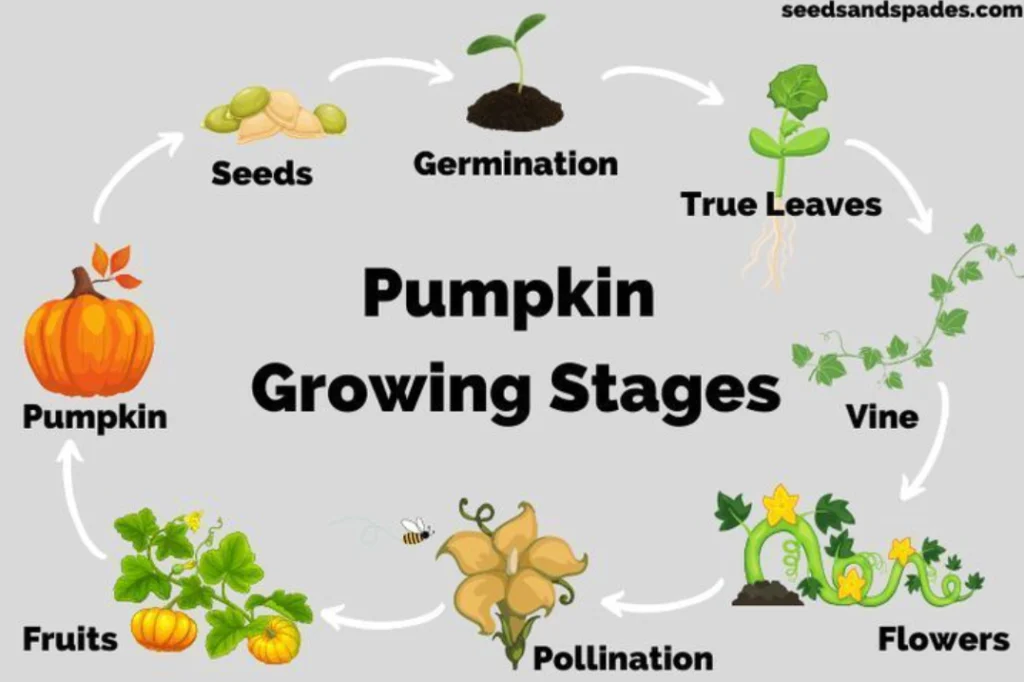
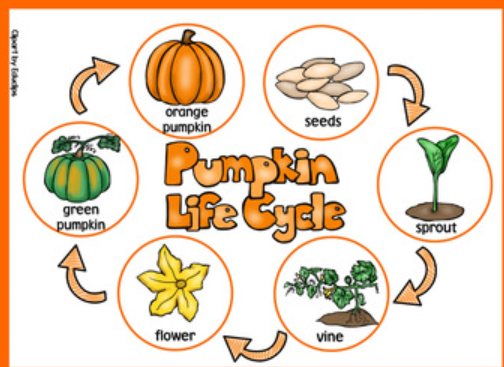
The complete pumpkin life cycle normally includes seed, germination, seedling, vine growth, flowering, pollination, fruit development, maturity, and seed release. Each stage depends on sunlight, warm soil, water, nutrients, insects, and healthy growing conditions.
Q: How long does the life cycle of a pumpkin take?
A: Most pumpkins take around 90 to 120 days from seed planting to harvest, depending on the variety and climate.
Q: What is the first stage of a pumpkin’s life cycle?
A: The first stage is the seed stage, where the pumpkin begins life as a dry seed containing a tiny plant embryo.
Q: Why are bees important in the life cycle of a pumpkin?
A: Bees transfer pollen from male flowers to female flowers, helping the plant form fruit and seeds.
Quick Life Cycle Table
| Stage | What Happens | Main Need |
| Seed | A pumpkin starts as a dry seed with a tiny embryo inside. | Warm soil |
| Germination | The seed absorbs water and begins to sprout. | Moisture and warmth |
| Seedling | Small leaves appear above the soil. | Sunlight |
| Vine Growth | Long vines and large leaves spread across the ground. | Space and nutrients |
| Flowering | Yellow male and female flowers appear. | Healthy plant growth |
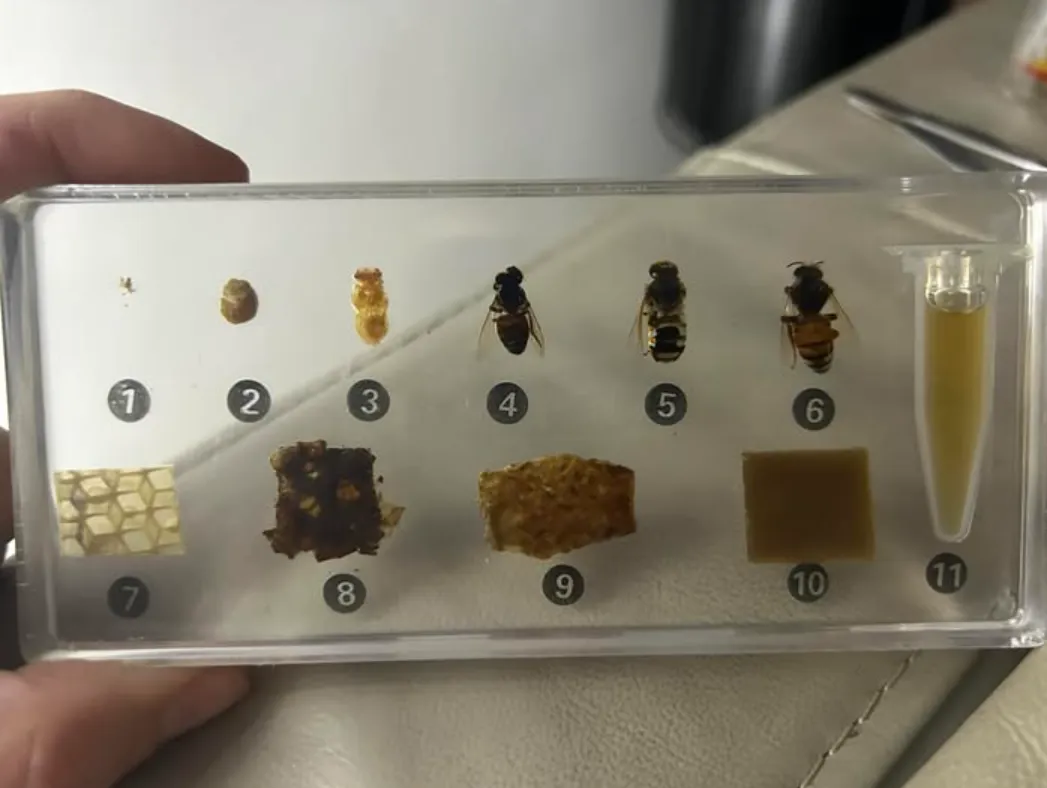
| Pollination | Bees move pollen from male flowers to female flowers. | Pollinators |
| Fruit Development | The small fruit at the female flower base grows larger. | Water and food |
| Maturity | The pumpkin turns fully colored and develops a hard rind. | Time and dry weather |
| Seed Release | Mature pumpkins contain seeds for the next generation. | Natural decay or harvest |
The History of Their Scientific Naming
The scientific naming of the pumpkin is closely connected with the history of squash plants. Pumpkins are not always one single species. Many common pumpkins belong to Cucurbita pepo, while others belong to Cucurbita maxima or Cucurbita moschata.
The name Cucurbita pepo L. was first formally published by Carl Linnaeus in Species Plantarum in 1753. Kew’s Plants of the World Online lists Cucurbita pepo L. as an accepted species and describes it as an annual plant native to Mexico, used as a cultigen.
Important naming points:
- Cucurbita refers to the gourd or squash group.
- Pepo refers to a special type of berry with a thick rind.
- The family name is Cucurbitaceae.
- Related plants include squash, zucchini, gourds, and courgettes.
- A pumpkin fruit is scientifically called a pepo, not just an ordinary fruit.
This naming history helps us understand that pumpkins belong to a large and ancient plant family.
Their Evolution And Their Origin
The origin of the pumpkin goes back thousands of years in the Americas. Pumpkins and squash were among the earliest plants used by humans for food, storage, and cultural purposes. Kew states that Cucurbita pepo was first domesticated more than 8,000 years ago in Mexico, and its cultivars are now grown worldwide as food and ornamental plants.
Over time, early people selected pumpkins with better taste, softer flesh, bigger fruits, thinner seed coats, and easier growth. Wild squash ancestors were often bitter and small, but domestication slowly changed them into the pumpkins people recognize today.
Pumpkins became important because they were useful in many ways. The flesh could be cooked, the seeds could be eaten, the hard rind could protect the fruit, and mature fruits could be stored for later use. This made pumpkins valuable before modern refrigeration.
Their evolution also links with traditional farming systems. In many Indigenous American planting systems, squash and pumpkin were grown with maize and beans. This is often called the Three Sisters system. In this system, maize gives support, beans add nitrogen to the soil, and squash vines cover the ground to reduce weeds and protect soil moisture.
Pumpkins thrived because they produced many seeds, grew quickly in warm weather, and spread across open ground with strong vines. Their bright flowers attracted pollinators, while their large fruits protected developing seeds.
Today, pumpkins are found in home gardens, farms, markets, festivals, and food industries across the world. Their long evolution shows how a wild plant became a major crop for food, culture, decoration, and ecological value.
Their main food and its collection process
A pumpkin plant does not eat food like animals. Instead, it makes its own food through photosynthesis. This means the plant uses sunlight, water, carbon dioxide, and minerals to produce energy-rich sugars.
The main food-making part of the pumpkin plant is the leaf. Large pumpkin leaves capture sunlight and use it to turn carbon dioxide from the air and water from the soil into plant food.
Important points about the pumpkin’s food collection process:
- Sunlight collection:
- The broad green leaves collect sunlight. This sunlight gives energy for photosynthesis.
- Water absorption:
- The roots absorb water from the soil. Pumpkins contain a high water content, so steady moisture is important, especially during flowering and fruit set. West Virginia University Extension notes that drought stress during flowering or fruit set can reduce yield.
- Mineral uptake:
- Roots take in minerals such as nitrogen, phosphorus, and potassium. These nutrients help leaves, vines, flowers, and fruits grow properly.
- Carbon dioxide intake:
- Tiny openings in the leaves, called stomata, take in carbon dioxide from the air.
- Food movement:
- Sugars made in the leaves move through the plant to feed the vine, flowers, roots, and growing pumpkins.
- Fruit storage:
- The pumpkin fruit stores energy, water, and nutrients. This stored food helps protect and support the seeds inside.
A healthy pumpkin plant needs warm weather, fertile soil, enough water, sunlight, and space. Without these, the vine may grow weak, flowers may drop, and fruits may stay small.
Their life cycle and ability to survive in nature
Seed Stage
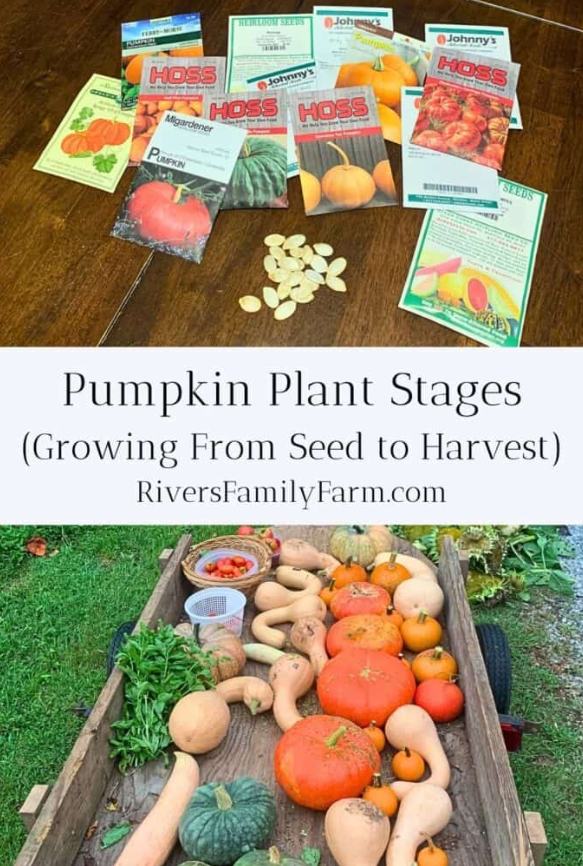
The life cycle of a pumpkin begins with a seed. A pumpkin seed contains a tiny embryo, stored food, and a protective seed coat. When conditions are right, the seed becomes active.
Pumpkin seeds need warm soil to germinate. Illinois Extension explains that pumpkin seeds do not germinate well in cold soil, and seedlings can be injured by frost.
Germination and Seedling Stage
During germination, the seed absorbs water and swells. The root comes out first and grows downward into the soil. Then the shoot grows upward toward the light.
Soon, the young seedling produces its first leaves. These leaves help the plant begin photosynthesis.
Vine Growth Stage
After the seedling stage, the pumpkin plant grows long vines. These vines spread across the ground and produce large leaves. The leaves help shade the soil, reduce water loss, and support food production.
Flowering and Pollination Stage
Pumpkin plants produce separate male and female flowers on the same plant. Male flowers usually appear first. Female flowers have a small swelling at the base, which later becomes the pumpkin.
Fruit Development and Survival
Once pollination is successful, the small fruit begins to grow. The thick rind protects the fruit and seeds. In nature, pumpkins survive by producing many seeds, attracting pollinators, storing nutrients, and using strong vines to cover open space.
Their Reproductive Process and raising their children
Pumpkins reproduce through flowers, pollination, fruit formation, and seed development. Since pumpkins are plants, they do not raise children like animals. Their “children” are their seeds, and the fruit protects them until they mature.
Key points in the pumpkin reproductive process:
- Male flowers appear first:
- Male flowers produce pollen. They usually grow on thin stems and do not have a small fruit at the base.
- Female flowers appear next:
- Female flowers have a small, round swelling at the base. This swelling becomes the pumpkin if pollination happens.
- Pollination is required:
- Pollen must move from the male flower to the female flower. Mississippi State University Extension explains that pumpkins produce separate male and female flowers on the same plant, and pollen must be transferred for proper fruit set.
- Bees do most of the work:
- Bees visit flowers for nectar and pollen. While moving between flowers, they carry pollen and help with fertilization.
- Fruit protects the seeds:
- After fertilization, the pumpkin fruit grows around the seeds. The flesh and rind protect the developing seeds.
- Seeds mature inside the fruit:
- When the pumpkin becomes mature, the seeds inside are ready to grow into new plants.
- Seed dispersal happens naturally:
- In nature, pumpkins may break down in the soil. Animals may eat the fruit and move seeds to new places.
This is how pumpkin plants continue their next generation.
The importance of them in this Ecosystem
Food Source for Humans and Animals
Pumpkins are important food sources. Humans eat pumpkin flesh, seeds, and many pumpkin-based dishes, such as pumpkin pie, roasted pumpkin, soup, and pumpkin bread.
Animals may also feed on pumpkin flesh, seeds, or leftover crop material. Some farms use pumpkins as livestock feed.
Support for Pollinators
Pumpkin flowers are valuable for bees and other insects. These flowers provide nectar and pollen. In return, bees help pumpkins produce fruit.
Oklahoma State University Extension notes that good squash and pumpkin fruit set depends strongly on insect pollinators, mainly honey bees and bumble bees.
Soil Protection
Pumpkin vines spread across the soil surface. Their large leaves shade the ground, reduce soil temperature, and help limit weed growth.
In mixed farming systems, pumpkin vines can protect soil from erosion by covering bare ground.
Nutrient Cycling
When pumpkin vines, leaves, and fruits decompose, they return organic matter to the soil. This helps soil organisms and improves soil fertility over time.
Biodiversity Value
Pumpkins support insects, soil microbes, birds, mammals, and humans. Their flowers attract pollinators, their fruits feed animals, and their plant waste improves soil life.
Because of this, pumpkins are more than seasonal decorations. They are part of a broader natural system that includes plants, insects, soil, animals, and people.
Important Things That You Need To Know
When people search for the life cycle of a pumpkin, they often also look for related topics such as pumpkin patch, pumpkin pie recipe, pumpkin painting ideas, pumpkin bread recipe, and pumpkin pie. These topics are connected because pumpkins are not only plants in nature but also part of food culture, family activities, gardening, and seasonal decoration.
A pumpkin patch is a field or garden area where pumpkins grow. It is a great place to observe the pumpkin life cycle closely. In a pumpkin patch, you can see vines spreading across the ground, yellow flowers opening in the morning, bees visiting flowers, and small fruits slowly becoming large pumpkins.
Harvested pumpkins are also useful in the kitchen. A pumpkin pie recipe usually uses cooked pumpkin puree, spices, eggs, milk, and a pie crust. A pumpkin bread recipe often includes pumpkin puree, flour, sugar, eggs, oil, and warm spices. These foods show how the fruit stage of the pumpkin life cycle becomes valuable for humans.
Pumpkins are also popular for creative activities. Pumpkin painting ideas are safer than carving for young children because the pumpkin remains whole and lasts longer. People paint pumpkins for autumn decoration, school projects, parties, and home displays.
Also, searches like pumpkin patch near me are popular during autumn because families want to visit farms, take photos, buy pumpkins, and enjoy seasonal events. So, the pumpkin is important in biology, gardening, food, culture, and family life.
What to do to protect them in nature and save the system for the future
Protecting pumpkins in nature means protecting soil, pollinators, seeds, water, and farming systems. A healthy pumpkin plant depends on a healthy environment.
- Protect pollinators:
- Avoid spraying harmful pesticides when bees are active. Apply pest control carefully and only when needed.
- Grow pollinator-friendly flowers:
- Plant flowers near pumpkin gardens to attract bees, butterflies, and other helpful insects.
- Use healthy soil practices:
- Add compost, rotate crops, and avoid damaging soil structure. Healthy soil supports strong roots.
- Avoid waterlogging:
- Pumpkins need moisture, but standing water can cause root disease and fruit rot.
- Save good seeds:
- Keep seeds from healthy, mature pumpkins to preserve strong local varieties.
- Reduce chemical overuse:
- Use natural pest control, crop rotation, and disease-resistant varieties where possible.
- Support local pumpkin farms:
- Buying from local growers helps protect farming traditions and local crop diversity.
- Control weeds early:
- Young pumpkin plants struggle with weed competition, so remove weeds during early growth.
- Protect vines from damage:
- Avoid stepping on vines because damaged vines reduce fruit growth.
- Compost old pumpkin waste:
- Composting returns nutrients to the soil and reduces waste.
By protecting pumpkins, people also protect bees, soil organisms, local farms, and future food systems.
Frequently Asked Questions (FAQs)
Q: What is the life cycle of a pumpkin?
A: The life cycle of a pumpkin includes seed, germination, seedling, vine growth, flowering, pollination, fruit development, maturity, and seed production.
Q: How long does it take for a pumpkin to grow?
A: Most pumpkins take about 90 to 120 days to grow from seed to harvest, depending on the variety, weather, soil, and care.
Q: What is the first stage in the life cycle of a pumpkin?
A: The first stage is the seed stage. The seed contains a tiny plant embryo and stored food for early growth.
Q: Why does a pumpkin plant need bees?
A: Bees help move pollen from male flowers to female flowers. Without pollination, the plant may produce flowers but no pumpkins.
Q: Do pumpkins grow after they turn orange?
A: Pumpkins may continue to mature slightly after changing color, but most size growth happens before full maturity.
Q: Why are my pumpkin flowers falling off?
A: Male flowers naturally fall off after releasing pollen. Female flowers may fall if pollination fails, the plant is stressed, or the weather is too poor.
Q: Can pumpkins grow in a small garden?
A: Yes, but choose small or bush-type varieties. Large vining pumpkins need a lot of space because their vines spread widely.
Q: What is the best soil for pumpkins?
A: Pumpkins grow best in fertile, loose, well-drained soil with good organic matter. A soil pH around 6.0 to 6.8 is often recommended for healthy growth.
Conclusion
The life cycle of a pumpkin is a complete natural journey from a small seed to a mature fruit filled with new seeds. Each stage has a clear purpose. The seed begins life, the roots collect water, the leaves make food, the vines spread, the flowers attract pollinators, and the fruit protects the next generation.
Pumpkins are important because they connect nature, farming, food, and culture. They support bees, improve soil systems, feed people and animals, and provide ingredients for popular foods like pumpkin pie and pumpkin bread. They also bring families to the pumpkin patch and inspire creative activities such as painting and seasonal decoration.
Understanding the pumpkin life cycle helps gardeners grow healthier plants and helps students understand plant reproduction. More importantly, it reminds us that even one pumpkin depends on sunlight, soil, water, insects, and a carefully balanced environment. Protecting pumpkins means protecting the living system around them.
Also Read: life cycle of the panda