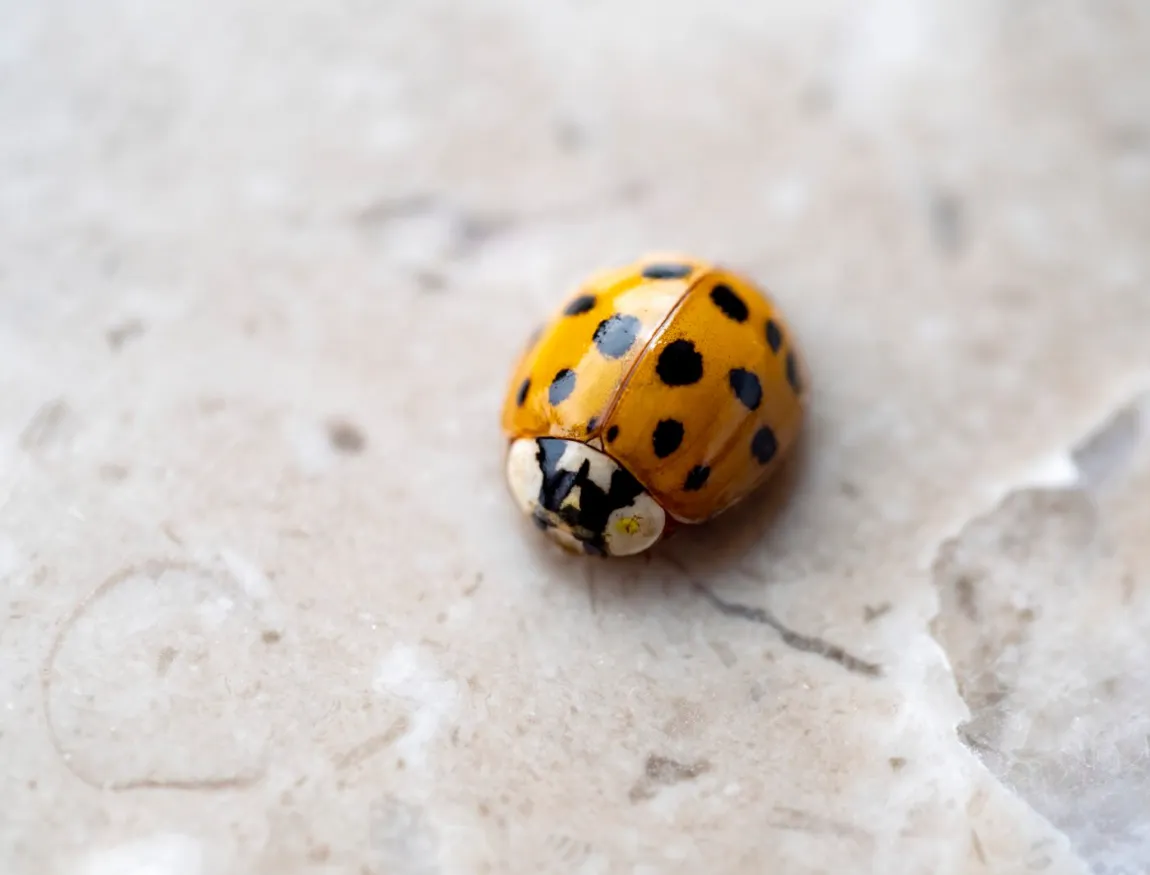
Ladybeetles, commonly known as ladybugs, are small, brightly colored insects often admired for their appearance and their role in pest control. These charming creatures belong to the family Coccinellidae, which comprises over 5,000 species of lady beetles worldwide. Although they are often associated with good luck in some cultures, ladybeetles are much more than just symbols of fortune—they play a vital role in maintaining the balance of natural ecosystems. In this article, we will dive deep into the life cycle, history, and significance of ladybeetles, shedding light on why they are such important players in nature’s grand design.
Let’s start with a few quick answers to some of the most frequently asked questions about ladybeetles:
Quick Answers to Common Questions About Ladybeetles:
- What is the difference between a ladybug and a lady beetle?
- The terms “ladybug” and “ladybeetle” are often used interchangeably, but “ladybeetle” is the correct scientific name. “Ladybug” is commonly used in North America, but globally, the correct term is “ladybeetle.”
- What do ladybeetles eat?
- Ladybeetles primarily consume aphids, small, soft-bodied insects, and other pests such as mealybugs and spider mites, making them natural pest controllers in gardens and farms.
- Are ladybeetles harmful to humans?
- Ladybeetles are generally harmless to humans. Although they may bite in rare instances, their bites do not pose a significant health threat. They are not venomous and do not carry diseases.
Quick Life Cycle Table
| Life Stage | Description |
| Egg | Ladybeetle eggs are usually laid in clusters of yellow or orange eggs on the underside of leaves, close to aphid colonies for easy access to food. |
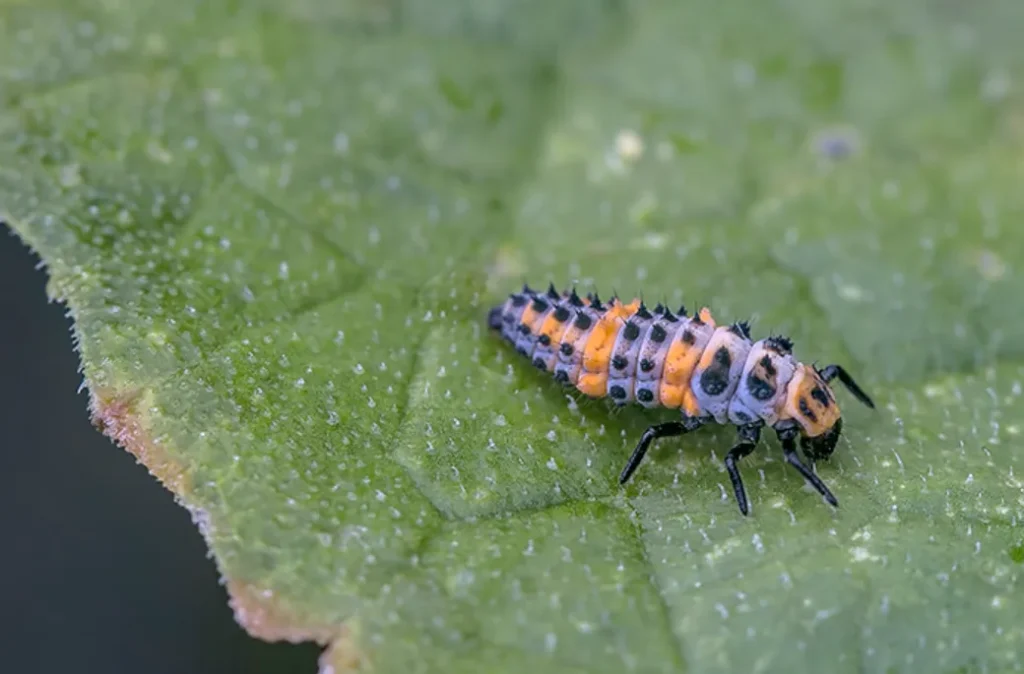
| Larva | Upon hatching, the larvae resemble tiny alligators and aggressively consume aphids and other pests. They grow rapidly and molt multiple times before pupating. |
| Pupa | The larvae transform into a pupa, undergoing metamorphosis. During this stage, the larvae develop into adult ladybeetles. |
| Adult | The adult lady beetle emerges with its characteristic red or orange shell and black spots. It begins the cycle anew by mating and laying eggs. |
The History of Their Scientific Naming
The scientific name for ladybeetles is Coccinellidae, derived from the Latin word coccineus, meaning “scarlet.” This name was given due to the beetle’s distinctive red color, which is common among many species. The family Coccinellidae was first described by the renowned Swedish biologist Carl Linnaeus in the 18th century.
Interestingly, ladybeetles were named after the Virgin Mary in Christian culture. The “lady” in their common name comes from “Our Lady,” a reference to the Virgin Mary, and the red color symbolizes her cloak, while the spots represent the seven sorrows of Mary.
Ladybeetles have long been recognized in both science and folklore, and their importance as natural pest controllers has only grown over time. Today, their scientific classification includes a vast array of species, each with unique characteristics, yet all play an essential role in pest management.
Their Evolution and Their Origin
Ladybeetles belong to a group of insects that have evolved over millions of years. The origins of ladybeetles can be traced back to the Cretaceous period, around 100 million years ago, making them one of the oldest families of beetles still in existence today.
The evolutionary success of ladybeetles can be attributed to several factors, including their unique physical traits, such as their vibrant coloration and protective elytra (hardened forewings). These characteristics serve not only as a deterrent to predators but also as part of their mating rituals. The bright red, yellow, or orange coloration of many lady beetles serves as a warning signal to predators, a phenomenon known as “aposematism.” This bright coloration is a result of toxins in the lady beetle’s body, which make it unpalatable to many potential predators.
Ladybeetles have adapted well to various habitats, including forests, grasslands, and even urban environments. Over time, they have spread across the globe, with species found on every continent except Antarctica. Their evolutionary versatility has enabled them to thrive across diverse ecosystems, particularly as beneficial predators of agricultural pests such as aphids.
Their Main Food and Its Collection Process
Ladybeetles are natural predators, particularly of aphids, tiny sap-sucking insects that can wreak havoc on plants. Here’s a breakdown of their main food sources and how they collect them:
- Aphids: Ladybeetles are particularly fond of aphids, which are often found in large colonies on the undersides of leaves. A single lady beetle can consume hundreds of aphids per day.
- Other Pests: In addition to aphids, ladybeetles also feed on other soft-bodied pests, such as mealybugs, whiteflies, and spider mites.
- Food Collection: Ladybeetles use their keen sense of sight and smell to locate aphid colonies. Once they find a suitable colony, they move in and begin feeding, using their mandibles to capture and consume the aphids. Ladybeetle larvae, which resemble alligators, also feed on aphids, helping maintain the pest-control cycle.
Ladybeetles are voracious eaters, and their ability to control pest populations makes them invaluable in gardens and agricultural fields. Farmers and gardeners often use lady beetles as a natural pest control, reducing the need for harmful pesticides.
Their Life Cycle and Ability to Survive in Nature
The Life Cycle of Ladybeetles
The life cycle of a lady beetle consists of four stages: egg, larva, pupa, and adult. These stages take place over several weeks, and each is vital to the lady beetle’s survival.
- Egg Stage: Female ladybeetles lay their eggs in clusters on the undersides of leaves. These eggs are often laid near aphid colonies to ensure that the larvae will have a steady food source when they hatch.
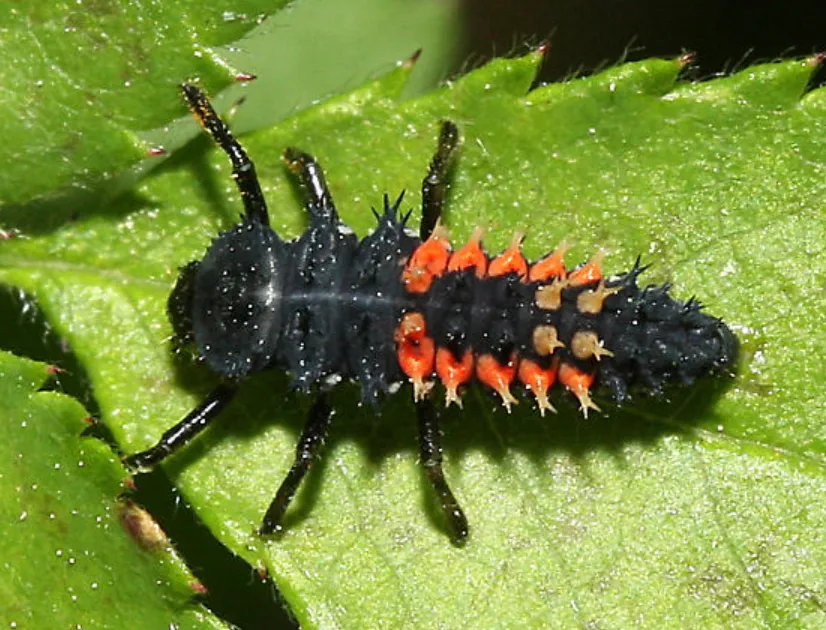
- Larval Stage: Once the eggs hatch, the larvae emerge. These tiny creatures, resembling alligators, are predatory and begin feeding on aphids and other pests immediately.
- Pupal Stage: After feeding for several weeks, the larvae enter the pupal stage, during which they undergo metamorphosis. This stage can last from a few days to a few weeks.
- Adult Stage: Upon emerging from the pupa, the adult lady beetle is ready to mate and continue the cycle. Adult ladybeetles have a lifespan of several months, during which they will eat, mate, and lay eggs to begin the cycle anew.
The lady beetle’s ability to adapt to various environments—whether forests, urban gardens, or farmland—has contributed significantly to its survival and success as a species. Its efficient pest-control capabilities and reproductive strategies enable it to thrive in both natural and human-influenced ecosystems.
Their Reproductive Process and Raising Their Children
Ladybeetles are highly reproductive insects, with each female capable of laying hundreds of eggs throughout her lifetime. Here’s a closer look at their reproductive process:
- Mating: Ladybeetles often mate shortly after emerging as adults. During mating, the male lady beetle taps the female with his antennae and performs a courtship ritual. Mating typically lasts for several minutes.
- Egg Laying: After mating, the female lays clusters of eggs on the undersides of leaves near aphid colonies. She may lay as many as 50 eggs at a time, ensuring that the larvae will have plenty of food when they hatch.
- Larval Development: Once the eggs hatch, the larvae immediately begin feeding on aphids. The larvae grow quickly and molt several times before forming a pupa.
- Pupal Transformation: Larvae undergo metamorphosis into pupae. This stage is crucial for their development into adult ladybeetles.
Ladybeetles exhibit parental care by ensuring that their offspring have ample access to food. The location of their eggs near aphid colonies ensures that the larvae can start feeding immediately upon hatching, which is critical for their survival.
Importance of Ladybeetles in the Ecosystem
Ladybeetles play a critical role in maintaining ecosystem health, especially in agricultural environments. Here’s why they are so important:
Natural Pest Control
Ladybeetles are natural predators of aphids and other harmful pests, making them highly effective at controlling pest populations in gardens and farms. By consuming aphids, which are known to damage crops and plants, ladybeetles help prevent their spread, reducing the need for chemical pesticides.
Biodiversity Indicators
Ladybeetles are also considered important indicators of biodiversity. A healthy population of ladybeetles suggests that the environment is balanced and thriving. Conversely, a decline in ladybeetle numbers can signal environmental problems, such as pollution or excessive pesticide use.
Food Source for Other Animals
Ladybeetles are an important food source for many predators, including birds, frogs, and other insectivores. This positions them as an integral part of the food chain in many ecosystems.
What to Do to Protect Ladybeetles in Nature and Save the System for the Future
Protecting lady beetles is essential to maintaining healthy ecosystems. Here’s how we can help:
- Avoid the Use of Harmful Pesticides: Pesticides can harm ladybeetles and other beneficial insects. Opt for organic farming practices and encourage others to do the same.
- Preserve Natural Habitats: Protect forests, fields, and other natural habitats from deforestation and pollution to help maintain ladybeetle populations.
- Encourage Biodiversity: Plant native species that attract ladybeetles and other beneficial insects.
- Support Sustainable Farming: Encourage sustainable and eco-friendly farming practices that promote natural pest control.
By taking these steps, we can help protect ladybeetles and ensure that they continue to thrive in the natural world.
Important Things That You Need to Know About Ladybeetles
- Ladybeetle vs Ladybug: While “ladybug” is commonly used in the United States, the correct scientific name is “ladybeetle.” These terms refer to the same insect, but “ladybeetle” is used more broadly in scientific contexts.
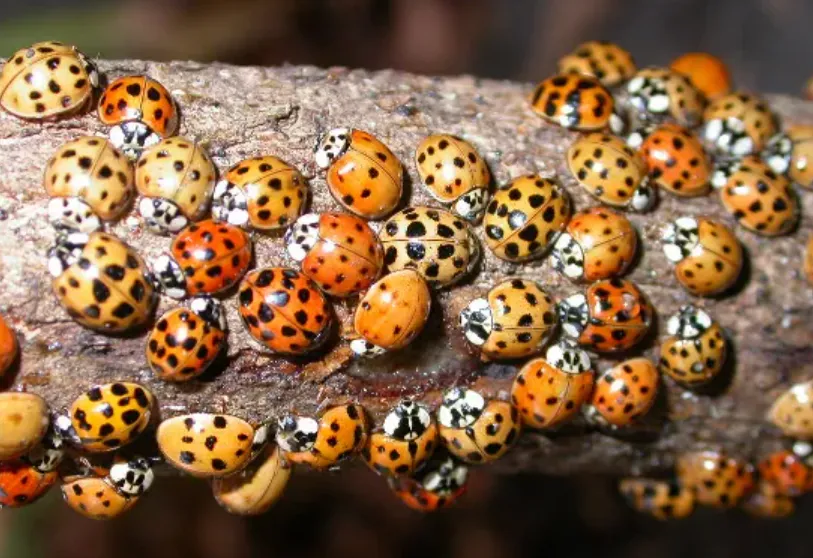
- Ladybeetles vs Asian Ladybeetles: The Asian ladybeetle, Harmonia axyridis, is native to Asia and has become an invasive species in North America. Unlike native lady beetles, Asian lady beetles can be aggressive and may outcompete native species for resources.
- Ladybeetle Larvae: Often mistaken for pests, ladybeetle larvae are actually crucial for controlling aphid populations. These larvae resemble small alligators and are highly efficient predators.
- Japanese Ladybeetles: The Japanese ladybeetle is another species introduced into regions outside its native habitat. While they are effective in controlling aphid populations, their invasive nature poses a challenge to native species.
Frequently Asked Questions (FAQs)
- What is the scientific name for ladybeetles?
- The scientific name for ladybeetles is Coccinellidae, a family that encompasses over 5,000 species of beetles.
- Are ladybeetles harmful to plants?
- No, lady beetles are beneficial to plants because they feed on aphids and other pests that can damage crops.
- How can you differentiate between a ladybug and a lady beetle?
- The terms “ladybug” and “ladybeetle” refer to the same insect, but “ladybeetle” is the scientifically accurate term. Both terms refer to the same beetle species, but in different regional contexts.
- What is the lifespan of a lady beetle?
- Adult ladybeetles typically live for several months, depending on environmental conditions and food availability.
- Do ladybeetles bite?
- While lady beetles can bite in rare instances, their bites are harmless and pose no risk to humans.
- Are Asian ladybeetles invasive?
- Yes, the Asian ladybeetle (Harmonia axyridis) is considered an invasive species in North America and Europe, where it competes with native species.
- How do ladybeetles help in pest control?
- Ladybeetles are natural predators of aphids, mealybugs, and other pests. By feeding on these pests, they help reduce crop damage and prevent the spread of harmful insects.
- What should you do if you find lady beetles in your house?
- If you find lady beetles in your house, you can safely remove them with a soft cloth or paper towel and release them outdoors. They do not pose any harm to humans or pets.
Conclusion
Ladybeetles are far more than just beautiful insects; they are vital players in the health of ecosystems around the world. From their impressive life cycles to their crucial role in pest control, lady beetles contribute significantly to maintaining the balance of nature. By understanding their importance and taking steps to protect them, we can ensure that these tiny predators continue to thrive, benefiting our gardens, crops, and natural environments for generations to come.
Also Read: bunny life cycle