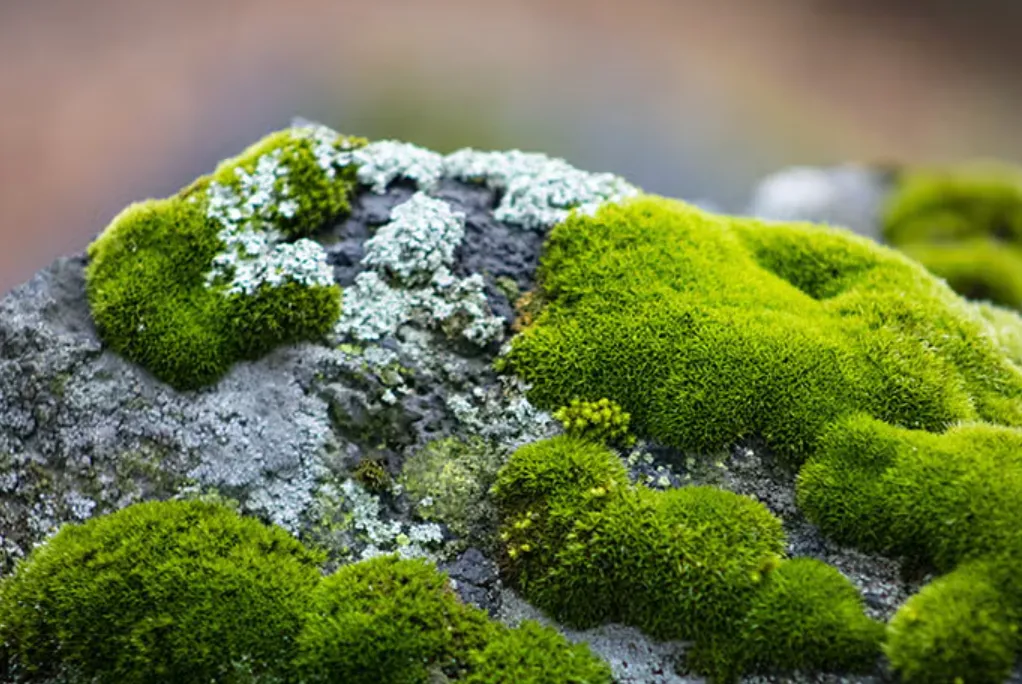
Mosses, the lush, green plants often found in damp, shady areas, play a vital role in maintaining ecosystem health. Among them, true sea moss, a type of aquatic moss, has gained significant attention for its exceptional health benefits and its use in supplements.
But what exactly is the life cycle of moss? How does moss grow and reproduce? In this article, we explore the fascinating life cycle of true sea moss, focusing on its evolutionary history and its essential role in the environment.
Quick Answers About Moss Life Cycle:
- What is the life cycle of moss?
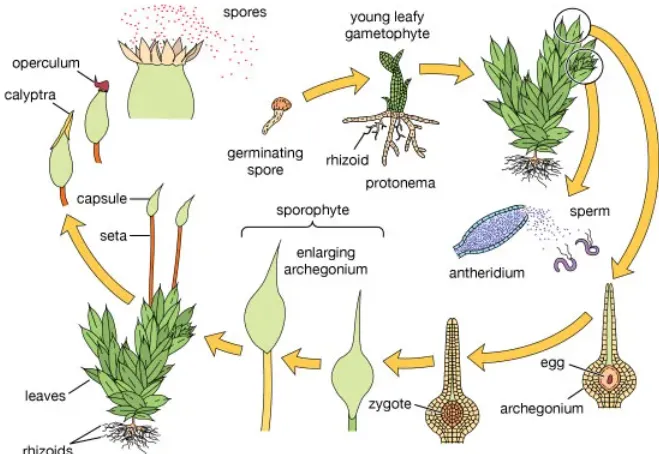
- Mosses have a unique life cycle called the alternation of generations. They alternate between a diploid sporophyte (spore-producing) phase and a haploid gametophyte (gamete-producing) phase.
- How does moss reproduce?
- Moss reproduces through spores, which are produced in the sporophyte phase. These spores are released into the air and, upon landing in a suitable environment, germinate to form new gametophytes.
- Why is true sea moss important for the environment?
- True sea moss is crucial in stabilizing ecosystems by retaining moisture, preventing soil erosion, and providing a habitat for other organisms, including beneficial microorganisms.
Quick Life Cycle Table
| Life Cycle Stage | Description |
| Sporophyte | The diploid stage is when moss produces spores, which are released into the environment. |
| Spore Germination | Spores land on a moist surface, where they germinate and grow into haploid gametophytes. |
| Gametophyte | The haploid stage that produces male and female gametes for reproduction. |
| Fertilization | Male gametes fertilize female gametes to form a zygote, which grows into a new sporophyte. |
| Repeat Cycle | The cycle repeats as the new sporophyte releases spores, continuing the life cycle. |
The History of Their Scientific Naming
The scientific naming of mosses has a long and interesting history. The term “moss” is derived from the Old English word “mos,” meaning a type of plant. Mosses belong to the division Bryophyta, a group of non-vascular plants. The earliest references to moss date back to the works of ancient Greek and Roman naturalists, who observed and documented various species.
However, it wasn’t until the 18th century, during the time of Carl Linnaeus, that mosses were formally classified and given their current scientific names. Linnaeus’ system of binomial nomenclature, which gave each species a two-part Latin name, helped identify mosses with more precision. Over the years, the discovery of new species and the advent of molecular techniques have further refined the scientific understanding and classification of mosses.
Their Evolution and Their Origin
Mosses are among the oldest plants on Earth, with origins dating back over 400 million years. They are thought to have evolved from ancient green algae, which were the first plants to make the transition from water to land. This adaptation enabled mosses to colonize terrestrial environments, particularly in moist, shaded areas. The evolution of mosses is closely tied to the development of land plants, as mosses belong to the bryophyte group, which also includes liverworts and hornworts.
Mosses are non-vascular plants, meaning they lack specialized tissues for transporting water and nutrients like vascular plants do. Instead, they rely on diffusion to move water throughout their structure. This evolutionary trait has allowed mosses to survive in a wide range of environments, from temperate forests to arctic tundras. Over time, mosses have diversified into thousands of species, each adapted to its specific environment. The true sea moss, for instance, has adapted to grow in marine ecosystems, where it plays a vital role in stabilizing coastal ecosystems and providing habitat for marine life.
Their Main Food and Its Collection Process
Mosses, like all plants, rely on photosynthesis to produce their food. In this process, they absorb sunlight through their leaves, which are one-cell-thick and designed to maximize light absorption. Mosses also absorb nutrients directly from the air and rainwater, as they lack the deep root systems of vascular plants. This makes them particularly effective at absorbing moisture and nutrients from the environment, especially in humid and wet conditions.
The collection of food for moss is a continuous process. Unlike most plants that have roots to anchor them and gather nutrients, mosses rely on their rhizoids, which are root-like structures that help anchor them to surfaces but don’t perform the nutrient-absorbing function of roots. Instead, mosses obtain the majority of their nutrients through osmosis from rainwater and the atmosphere. This unique method allows them to thrive in places where other plants might struggle, including on tree trunks, in rocky areas, and in coastal environments.
Their Life Cycle and Ability to Survive in Nature
The Moss Life Cycle and Survival
Mosses have a remarkable ability to survive in diverse environments due to their unique reproductive and survival strategies. As non-vascular plants, mosses rely on water for their reproduction, as their spores must be released in moist conditions to germinate. However, mosses have adapted to survive in conditions where water availability fluctuates.
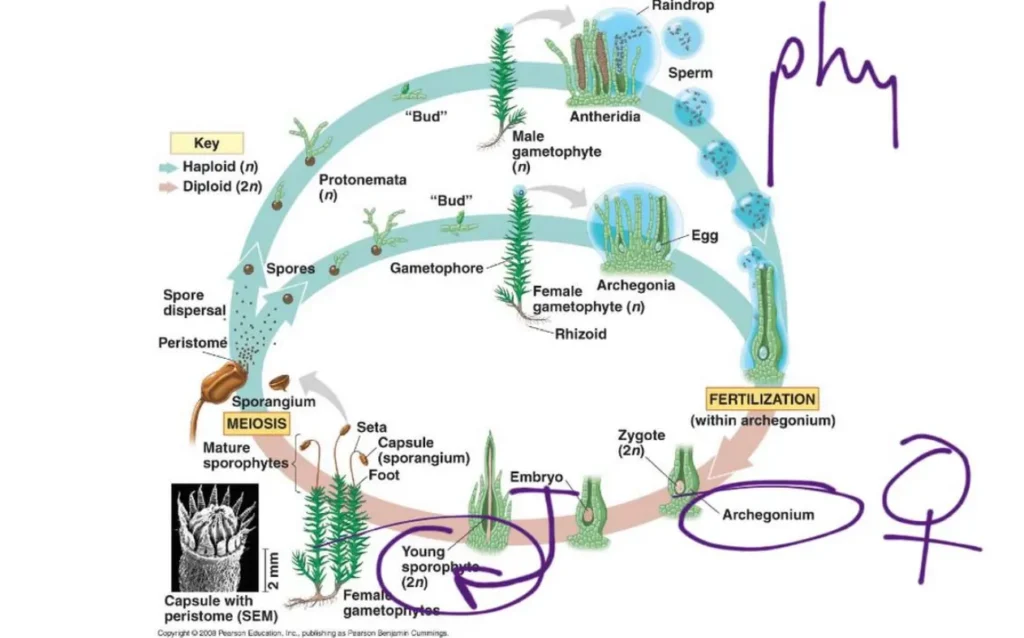
The moss life cycle is characterized by alternation of generations, which involves two distinct stages: the sporophyte and the gametophyte. During dry periods, mosses can enter a dormant state, slowing their metabolic processes and allowing them to survive until moisture returns. This ability to remain dormant in dry conditions makes mosses among the most resilient plant species in nature.
Moreover, mosses can withstand extreme conditions, such as freezing temperatures and high salinity, especially species like true sea moss, which are adapted to coastal environments. This adaptability ensures that mosses continue to thrive across diverse landscapes, from wetland habitats to seaside cliffs.
Their Reproductive Process and Raising Their Children
Moss reproduction is a fascinating process that involves both sexual and asexual methods. Sexual reproduction in mosses begins with the formation of haploid gametophytes. These gametophytes produce gametes (sperm and eggs). The male gametes are released into the environment, typically in response to rainfall, and swim through water to reach the female gametes, where fertilization occurs.
Once fertilization occurs, a zygote forms, which develops into a sporophyte, the diploid phase of the moss. The sporophyte grows on top of the gametophyte, and its job is to produce spores through meiosis. These spores are then released into the environment, where they can germinate and restart the cycle.
Mosses do not have seeds or flowers, but they produce spores instead. These spores can travel great distances, allowing mosses to colonize new areas and spread across large landscapes. This reproductive strategy enables mosses to thrive across a wide range of habitats, from damp forests to coastal shores.
Importance of Them in This Ecosystem
Ecological Role of Mosses
Mosses play an essential role in maintaining ecosystem health, especially in wetland environments. These plants are known for their moisture retention, which helps regulate soil moisture and prevent soil erosion. Mosses act as natural sponges, absorbing large amounts of water during rainfall and releasing it gradually into the environment. This helps maintain soil moisture and prevents excessive runoff, which can lead to flooding.
In addition to their hydrological role, mosses also contribute to carbon sequestration. Mosses, especially in peat bogs, store carbon in their biomass, helping mitigate the effects of climate change by reducing atmospheric carbon dioxide levels. They also provide habitat for small organisms such as insects, fungi, and microorganisms, which, in turn, support the food web.
What to Do to Protect Them in Nature and Save the System for the Future
Ways to Protect Mosses and Ensure Sustainability
- Preserve Wetland Habitats: Protecting natural wetland areas where mosses thrive is essential for their continued survival.
- Avoid Habitat Disturbance: Minimizing human activity in moss-rich areas, such as construction or deforestation, helps maintain their habitats.
- Support Sustainable Harvesting: If harvesting moss for commercial use (such as sea moss), ensure it is done sustainably to prevent overexploitation.
- Educate the Public: Raise awareness of the ecological importance of mosses to encourage conservation efforts and better environmental stewardship.
Frequently Asked Questions (FAQs)
- What is the life cycle of true sea moss?
- True sea moss undergoes the alternation of generations, moving from a sporophyte phase to a gametophyte phase.
- How do mosses reproduce?
- Mosses reproduce by spores, with fertilization involving the transfer of male gametes to female gametes.
- Why is sea moss considered a superfood?
- Sea moss is rich in nutrients, including iodine, calcium, and magnesium, making it a highly beneficial supplement.
- Can moss survive in dry conditions?
- Yes, mosses can enter a dormant state during dry periods, allowing them to survive until moisture is available again.
- What role does moss play in ecosystems?
- Mosses help prevent soil erosion, maintain soil moisture, and provide habitats for small organisms.
- Where does true sea moss grow?
- True sea moss grows in coastal waters and rocky shorelines, typically in clean, nutrient-rich environments.
- How do you harvest sea moss sustainably?
- Sustainable harvesting involves collecting sea moss without damaging the ecosystem, ensuring that the plants can regenerate.
- What are the benefits of consuming true sea moss?
- True sea moss supports immune health, promotes digestion, and provides essential vitamins and minerals.
Conclusion
The life cycle of moss, particularly true sea moss, is a testament to nature’s resilience and adaptability. From their ancient origins to their crucial ecological role, mosses continue to thrive across a wide range of environments.
Whether it’s through their ability to retain moisture, support biodiversity, or contribute to climate regulation, mosses are an essential component of the ecosystem. Protecting these plants is vital for maintaining the balance of nature and ensuring their survival for future generations.
Also Read: bunny life cycle