The life cycle of a spider is a fascinating journey that showcases nature’s precision, survival strategies, and adaptability. From tiny eggs to skilled predators, Spiders go through several stages that allow them to thrive in almost every Ecosystem on Earth. Whether it’s a common house spider or a striking banana spider, each species follows a similar developmental path but adapts uniquely to its environment.
Spiders are not just mysterious creatures—they play a vital role in controlling insect populations. Understanding their life cycle helps us appreciate their importance and reduce unnecessary fear, especially around concerns like spider bites.
✅ Quick Answers (Most Common Questions)
1. What are the stages in the life cycle of a spider?
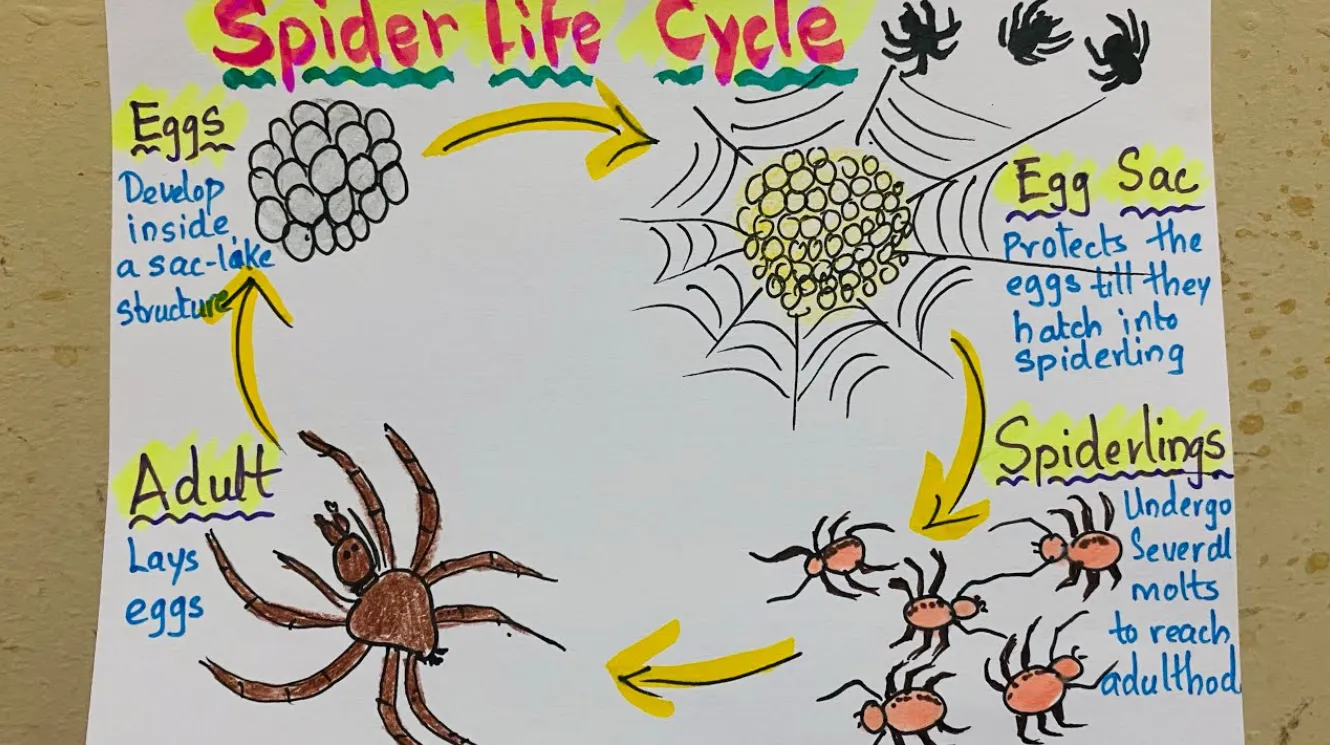
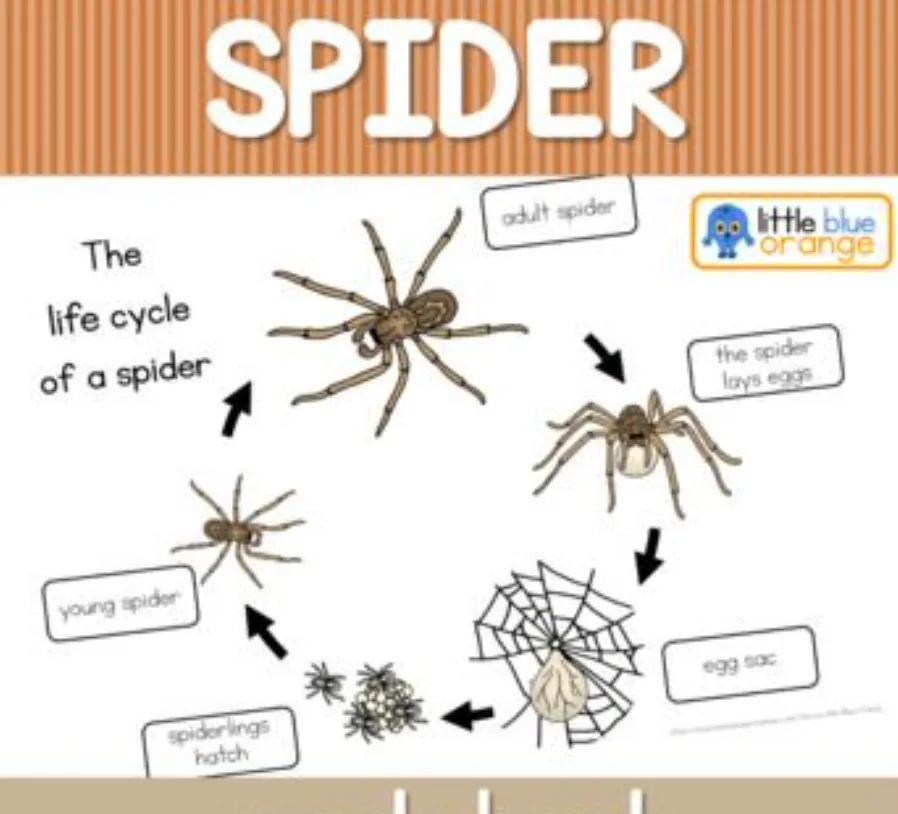
The life cycle includes four main stages: egg, spiderling, juvenile (molting stages), and adult.
2. How long does a spider live?
Most spiders live 1–2 years, but some species, like tarantulas, can live over 20 years.
3. Are all spider bites dangerous?
No, most spider bites are harmless to humans. Only a few species have venom that can cause serious effects.
Quick Life Cycle Table
| Stage | Description | Duration |
| Egg | Laid in silk sacs by female spiders | 1–3 weeks |
| Spiderling | Tiny spiders hatch and begin dispersal | Few weeks |
| Juvenile | Growth phase with multiple molting stages | Several months |
| Adult | Mature spiders reproduce and hunt independently | 1–2 years (varies) |
The History Of Their Scientific Naming
The scientific classification of spiders has a rich and detailed history rooted in taxonomy and biological research.
- Spiders belong to the class Arachnida and the order Araneae, first classified in the 18th century.
- The term Araneae originates from Latin, meaning “spider,” reflecting their ancient recognition.
- Early scientists, such as Carl Linnaeus, laid the foundation for spider classification in 1758.
- Over time, taxonomists categorized spiders based on physical traits such as eye arrangement, web structure, and venom glands.
- Today, there are over 50,000 known species of spiders globally, each assigned a unique scientific name.
- Advances in DNA analysis have refined classification, enabling scientists to understand evolutionary relationships better.
- Families such as Theridiidae (widow spiders) and Salticidae (jumping spiders) highlight the diversity of spiders.
This scientific naming system ensures clarity and consistency in the study of spiders worldwide.
Their Evolution And Their Origin
Spiders have an ancient origin, dating back over 300 million years, making them among the earliest land predators. They evolved from arachnid ancestors that lived during the Devonian period.
Early spider-like creatures could not spin silk, but over time, evolution introduced spinnerets—specialized organs for silk production. This innovation allowed spiders to build webs, create egg sacs, and develop complex hunting techniques.
Fossil evidence suggests that primitive spiders initially lived in moist environments before adapting to dry land. Their bodies evolved into two main segments: the cephalothorax and abdomen, improving mobility and hunting efficiency.
Natural selection played a key role in diversifying spider species. Some evolved to spin intricate webs, while others became active hunters. For example, jumping spiders developed excellent vision, while orb-weavers perfected web-building.
The evolution of venom was another major milestone. Venom helped spiders immobilize prey quickly, giving them a survival advantage. Despite this, most species evolved venom that is harmless to humans.
Today, spiders are found on every continent except Antarctica, showcasing their remarkable adaptability and evolutionary success.
Their main food and its collection process
Spiders are carnivorous predators, and their diet mainly consists of insects and small arthropods. Their feeding behavior is both efficient and fascinating.
🕷️ Main Food Sources:
- Flies
- Mosquitoes
- Beetles
- Moths
- Small insects and sometimes other spiders
🕸️ Food Collection Process:
- Web Trapping: Many spiders spin sticky webs to trap flying insects.
- Ambush Hunting: Some species hide and attack prey suddenly.
- Active Hunting: Jumping spiders stalk and leap on their prey.
- Venom Injection: After capturing prey, spiders inject venom to immobilize it.
- External Digestion: They release digestive enzymes and consume liquefied food.
This efficient feeding process helps control pest populations, making spiders beneficial for humans and ecosystems.
Important Things That You Need To Know
Spiders are often misunderstood creatures, especially banana spiders and their bites. Understanding these aspects can help reduce fear and promote awareness.
A spider is generally harmless and prefers to avoid human contact. Most species bite only when threatened. A typical spider bite may cause mild redness or itching, similar to a mosquito bite.
However, certain species, such as widow spiders and recluse spiders, can cause more serious reactions. Even then, severe cases are rare. The term “spider bites” is often exaggerated due to misconceptions.
The banana spider, known for its large size and golden web, is often feared but rarely dangerous. These spiders play an important role in controlling insect populations.
Key facts to remember:
- Most spiders are non-aggressive.
- Only a small percentage of venoms are medically significant.
- Proper identification helps avoid unnecessary panic.
- Spiders contribute to natural pest control.
Understanding these points can help people coexist peacefully with spiders.
Their life cycle and ability to survive in nature
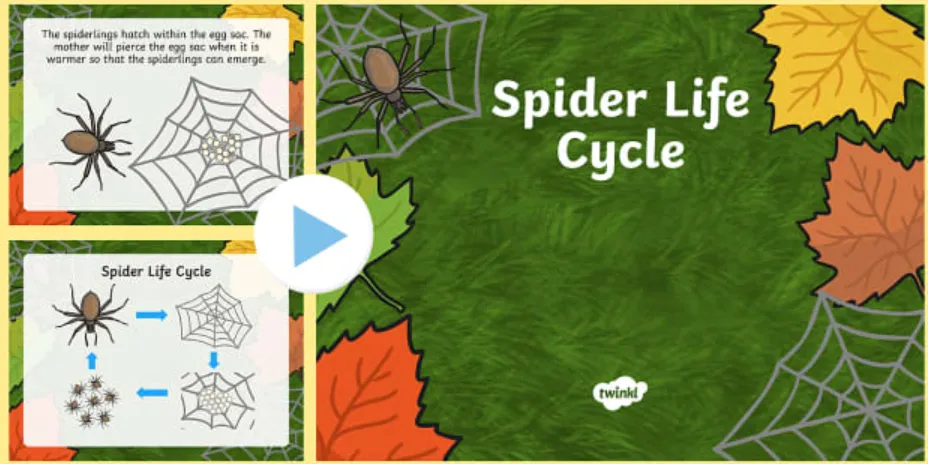
🕷️ Egg Stage
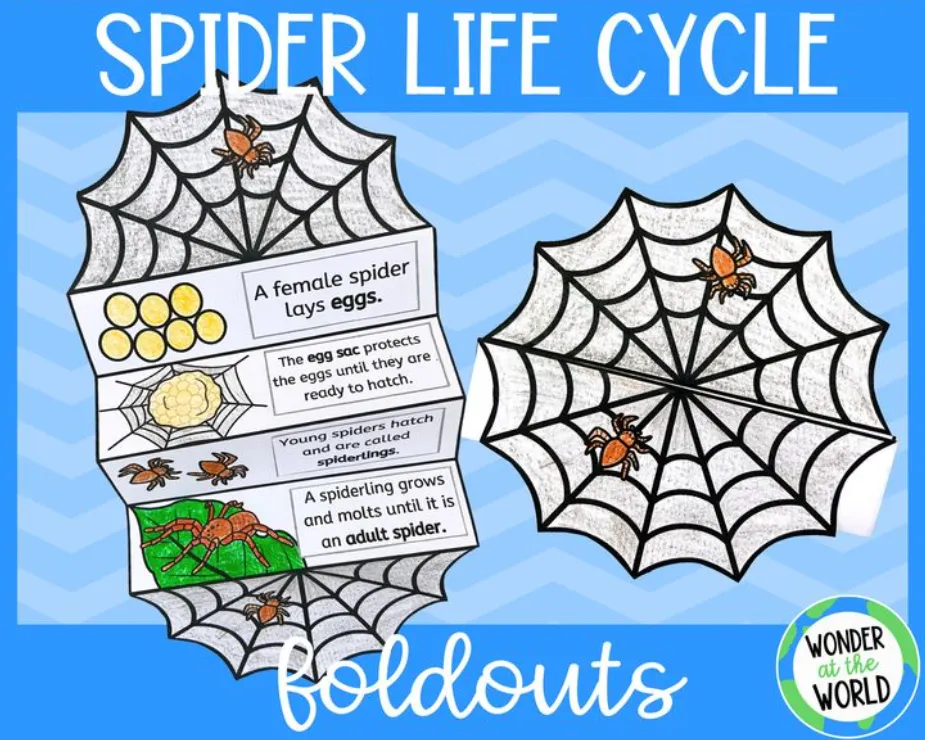
Female spiders lay eggs in protective silk sacs. These sacs shield eggs from predators and environmental threats.
🕷️ Spiderling Stage
After hatching, spiderlings disperse through a process called ballooning, using silk threads to travel through the air.
🕷️ Juvenile Stage
Spiderlings grow by molting, shedding their exoskeleton multiple times. Each molt allows them to increase in size.
🕷️ Adult Stage
Adult spiders are fully developed and capable of reproduction. Their survival depends on hunting skills and environmental conditions.
Spiders are highly adaptable. Their silk production, venom, and camouflage help them survive predators and harsh climates.
Their Reproductive Process and raising their children
Spider reproduction is complex and varies across species.
- Mating Rituals: Male spiders often perform dances or vibrations to attract females.
- Sperm Transfer: Males transfer sperm using specialized appendages called pedipalps.
- Egg Sac Creation: Females produce silk sacs to protect eggs.
- Parental Care: Some species guard their egg sacs, while others carry them.
- Spiderling Protection: In certain species, mothers stay with their young after hatching.
- Dispersal: Spiderlings spread out to reduce competition.
This reproductive strategy ensures survival despite high mortality rates in early stages.
The importance of them in this Ecosystem
🕷️ Natural Pest Control
Spiders help control insect populations, reducing the spread of diseases.
🕷️ Food Chain Balance
They serve as both predators and prey, maintaining ecological balance.
🕷️ Agricultural Benefits
Farmers benefit from spiders as they reduce crop-damaging pests.
🕷️ Biodiversity Indicators
Spiders indicate environmental health and ecosystem stability.
Their presence is essential for maintaining a balanced ecosystem.
What to do to protect them in nature and save the system for the future
- Avoid killing spiders unnecessarily
- Reduce pesticide use in gardens
- Preserve natural habitats like forests and grasslands
- Educate others about the benefits of spiders
- Support biodiversity conservation programs
- Create spider-friendly environments in gardens
- Avoid disturbing webs and nesting areas
- Promote eco-friendly farming practices
Protecting spiders ensures a healthier ecosystem for future generations.
Frequently Asked Questions (FAQs)
1. What is the life cycle of a spider?
It includes egg, spiderling, juvenile, and adult stages.
2. How long do spiders live?
Most live 1–2 years, but some species live longer.
3. Are spider bites dangerous?
Most are harmless; only a few species are dangerous.
4. What do spiders eat?
They mainly eat insects, such as flies and mosquitoes.
5. How do spiders reproduce?
Through mating rituals and egg sac production.
6. What is a banana spider?
A large web-building spider known for its golden silk.
7. Do all spiders make webs?
No, some hunt actively instead of using webs.
8. Why are spiders important?
They control pests and maintain ecological balance.
Conclusion
The life cycle of a spider is a remarkable example of nature’s design and efficiency. From delicate eggs to skilled predators, spiders demonstrate adaptability, resilience, and ecological importance.
Despite common fears about spider bites, most spiders are harmless and beneficial. Species like the banana spider highlight the diversity and beauty within the spider world.
By understanding their life cycle, feeding habits, and role in the Ecosystem, we can develop a greater appreciation for these creatures. Protecting spiders not only preserves biodiversity but also supports natural pest control systems.
Also Read About: life cycle of a snake