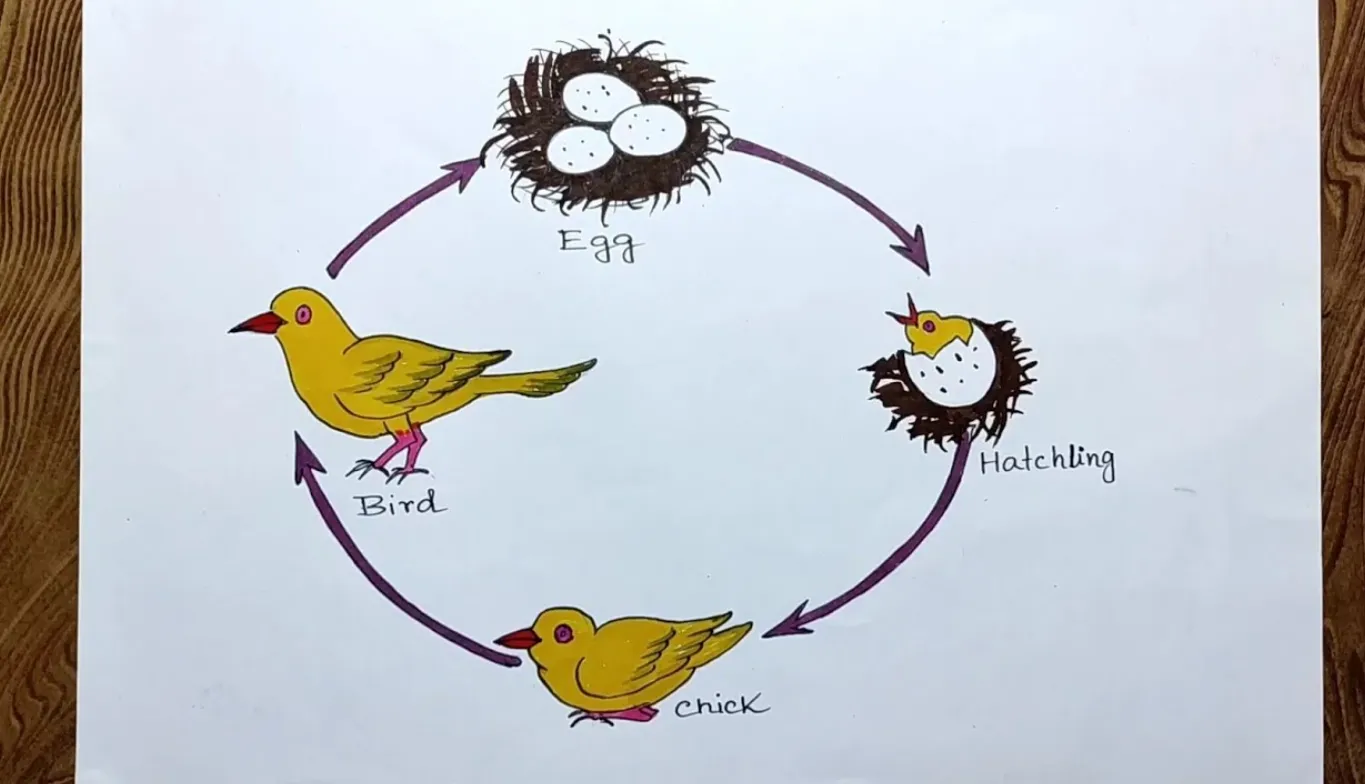
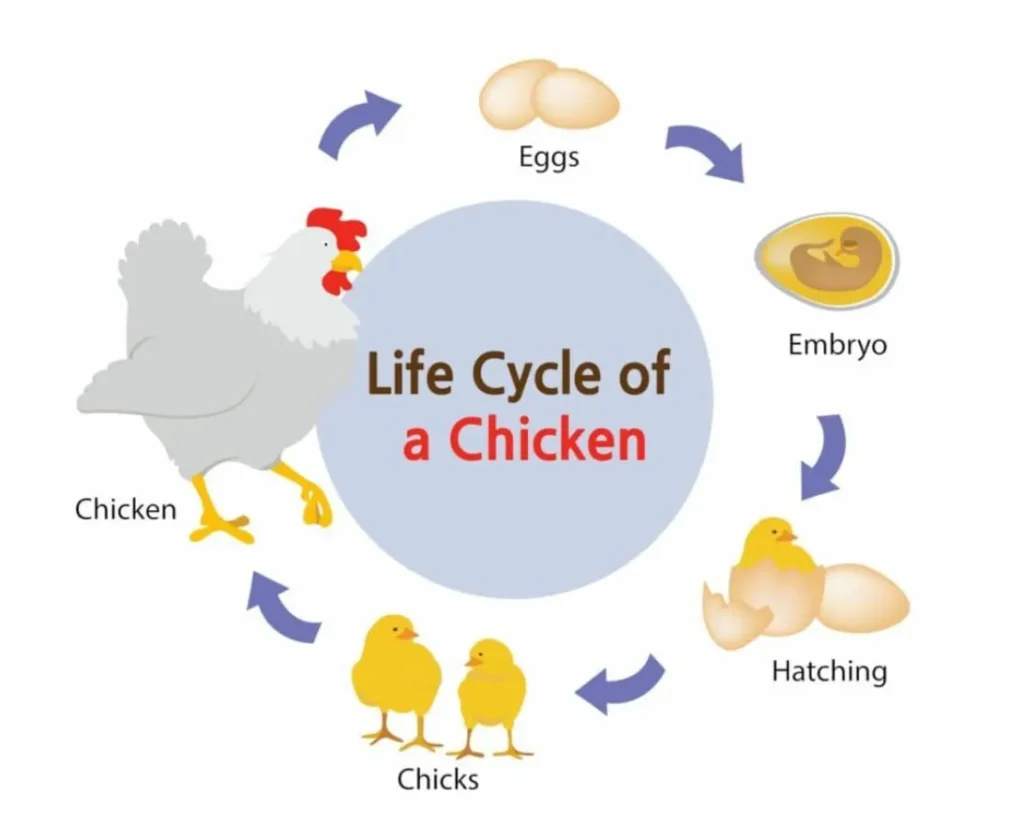
The life cycle of a bird is one of the most fascinating natural processes in the animal kingdom. From a tiny egg to a fully developed adult capable of flying, feeding, migrating, nesting, and reproducing, every stage shows how carefully nature supports survival.
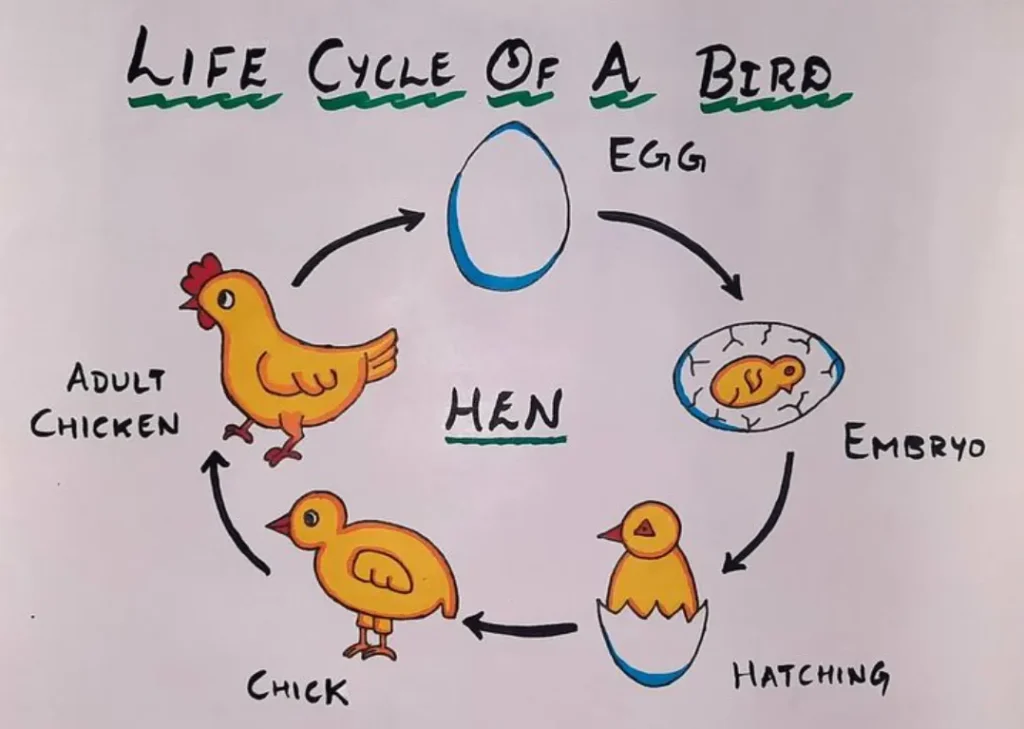
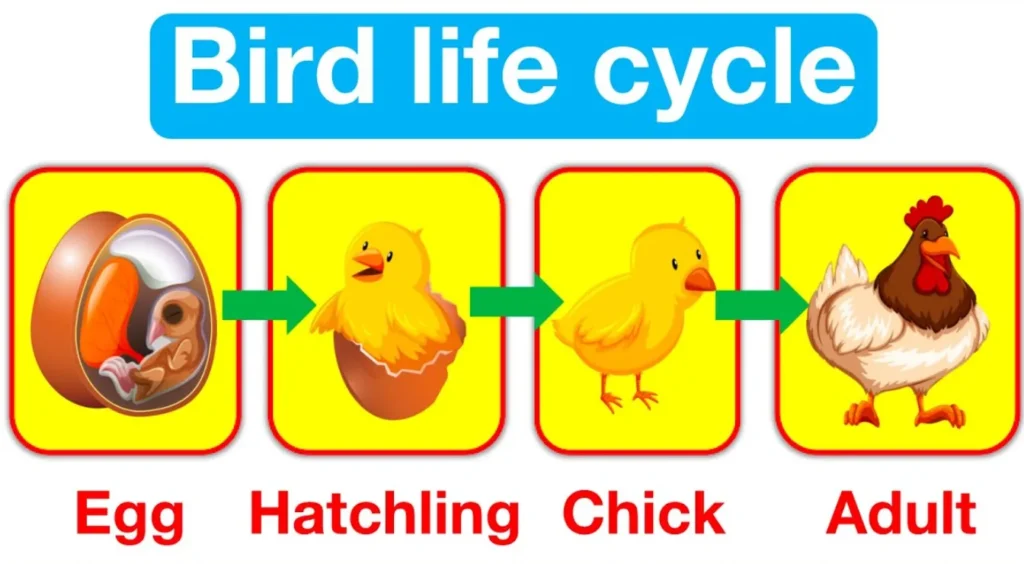
A bird begins life inside an egg laid by the mother. After incubation, the chick hatches and depends on its parents for warmth, food, and protection. Gradually, it grows feathers, learns to stand, hop, and fly, and finally becomes an adult bird ready to reproduce.
Birds are found in forests, wetlands, deserts, grasslands, mountains, cities, and coastal areas. Some birds, such as the osprey, are skilled hunters, while others help spread seeds, control insects, and maintain ecological balance. Understanding the life cycle of a bird helps us appreciate their role in nature and why protecting them is important for the future.
Quick Answers: Most Common Questions
Q: What are the main stages in the life cycle of a bird?
A: The main stages are egg, hatchling, nestling, fledgling, juvenile, and adult bird.
Q: How long does it take for a bird egg to hatch?
A: Most bird eggs hatch within 10 to 30 days, depending on the species, temperature, and nesting conditions.
Q: Why are birds important in nature?
A: Birds help with pollination, seed dispersal, pest control, scavenging, and maintaining a healthy ecosystem.
Quick Life Cycle Table
| Life Cycle Stage | Description | Main Features |
| Egg | The first stage of a bird’s life | Protected by a hard shell, needs warmth |
| Incubation | Parents keep the egg warm | An embryo develops inside the egg |
| Hatchling | Baby bird comes out of the egg | Weak, blind, or nearly blind in many species |
| Nestling | The chick grows inside the nest | Parents feed and protect it |
| Fledgling | The young bird starts leaving the nest | Learns to fly and balance |
| Juvenile | Independent young bird | Searches for food and avoids predators |
| Adult Bird | Fully grown stage | Can reproduce, migrate, and build nests |
| Reproduction | Adult birds produce the next generation | Courtship, mating, egg laying, and parenting |
The History of Their Scientific Naming
The scientific study of birds has a long and important history. Birds belong to the class Aves, a group of warm-blooded vertebrates with feathers, beaks, wings, and hard-shelled eggs.
The modern system of scientific naming is called binomial nomenclature. This system was developed by Carl Linnaeus, a Swedish naturalist, in the 18th century. In this system, every bird species receives a two-part Latin name: the genus name and the species name.
For example:
- The House Sparrow is scientifically known as Passer domesticus.
- The Common Crow is known as Corvus splendens in South Asia.
- The Osprey bird is known as Pandion haliaetus.
Scientific names are important because common names can vary from country to country. A bird may have different local names, but its scientific name remains the same worldwide.
This naming system helps scientists, students, birdwatchers, and conservationists identify birds accurately. It also helps organize birds by body structure, behavior, evolution, and genetic relationships.
Their Evolution And Their Origin
The origin of birds is closely linked to ancient reptiles, especially theropod dinosaurs. Modern scientific understanding suggests that birds evolved from small feathered dinosaurs millions of years ago.
One of the most famous ancient bird-like animals is Archaeopteryx. It lived about 150 million years ago and had both reptilian and avian features. It had feathers and wings like a bird, but also teeth, claws, and a long, bony tail like a reptile.
Over time, early bird ancestors developed lighter bones, stronger wings, better feathers, and improved breathing systems. These changes helped them fly more efficiently and survive in different environments.
The evolution of feathers was one of the most important steps. Feathers may have first helped with warmth, display, or protection. Later, they became essential for flight. Wings allowed birds to escape predators, travel long distances, find food, and reach safe nesting places.
After the extinction of many dinosaurs, birds continued to survive and diversify. Today, there are thousands of bird species worldwide. They live in oceans, forests, wetlands, cities, mountains, and deserts.
The life cycle of a bird reflects this long evolutionary success. Their eggs, nests, parental care, flight ability, and feeding behavior all developed through millions of years of adaptation. This is why birds remain one of the most successful animal groups on Earth.
Their main food and its collection process
Birds eat many types of food depending on their species, habitat, beak shape, and body size. Their food collection process is closely linked to their survival, migration, reproduction, and growth.
Some birds eat seeds and grains, while others feed on insects, fish, fruits, nectar, small mammals, or dead animals. The shape of a bird’s beak often shows what type of food it eats.
For example, a sparrow has a short, strong beak for seeds, while an osprey bird has sharp claws and a hooked beak for catching fish.
Main foods of birds
- Seeds and grains: Many small birds eat rice, wheat, grass seeds, and wild plant seeds.
- Fruits and berries: Fruit-eating birds help spread seeds through their droppings.
- Insects and worms: Birds such as swallows and robins naturally control insect populations.
- Fish: Water birds and raptors, such as the osprey, catch fish in rivers, lakes, and coastal waters.
- Nectar: Hummingbirds and sunbirds feed on nectar and help in pollination.
- Small animals: Some birds eat frogs, lizards, rodents, and small snakes.
- Carrion: Vultures eat dead animals and help clean the environment.
Food collection process
Birds use different methods to collect food. Some search on the ground, some dive into water, and some catch insects while flying. Many birds use their strong eyesight to detect food from a distance.
Parent birds collect food frequently for their chicks. During the nestling stage, baby birds need protein-rich foods, such as insects, to support rapid growth. This food supply is essential for bone, muscle, and feather development, as well as energy.
Their life cycle and ability to survive in nature
Egg Stage
The egg stage is the beginning of the life cycle of a bird. Female birds lay eggs in nests built on trees, cliffs, grasslands, buildings, or ground surfaces. The egg protects the developing embryo inside.
The eggshell allows air exchange while keeping the embryo safe. During this stage, warmth is very important. Parent birds sit on the eggs to maintain the correct temperature.
Hatchling Stage
After incubation, the baby bird breaks the shell using a small temporary structure called an egg tooth. The newly hatched bird is called a hatchling.
Many hatchlings are weak, featherless, and unable to see properly. They depend completely on their parents for food, warmth, and protection.
Nestling Stage
In the nestling stage, chicks grow quickly. Their feathers begin to develop, their eyes open, and they become more active inside the nest.
Parent birds feed them many times a day. They also remove waste from the nest to keep it clean and reduce the risk of disease.
Fledgling Stage
A fledgling is a young bird that has developed feathers and begins to leave the nest. At this stage, the bird practices flying, balancing, landing, and avoiding danger.
Even after leaving the nest, many fledglings still depend on their parents for food and guidance.
Adult Stage
When the bird becomes mature, it can find food, defend itself, migrate, build nests, and reproduce. Adult birds continue the cycle by finding mates and producing eggs.
Their survival depends on flight, camouflage, sharp senses, social behavior, migration, and habitat adaptation.
Their Reproductive Process and raising their children
The reproductive process of birds is highly organized and varies among species. However, most birds follow a common pattern that includes courtship, mating, nest building, egg laying, incubation, and chick care.
Main steps of bird reproduction
- Courtship display: Male birds often attract females through songs, dances, colorful feathers, or nest-building skills.
- Pair bonding: Some birds stay with one partner for a season, while others may form long-term pairs.
- Nest building: Birds build nests using twigs, grass, leaves, feathers, mud, or human-made materials.
- Mating: After successful courtship, mating occurs, and fertilized eggs develop within the female.
- Egg laying: The female lays one or more eggs, depending on the species.
- Incubation: One or both parents keep the eggs warm until they hatch.
- Feeding chicks: Parent birds bring food such as insects, seeds, fish, or soft fruits.
- Protection: Parents defend the nest from snakes, cats, larger birds, and other predators.
- Teaching survival: Young birds learn to fly, feed, call, and avoid danger from adults.
Raising chicks is one of the most demanding parts of the life cycle of a bird. Parent birds may work from early morning until evening to feed their babies.
In some species, both parents share responsibilities. In others, one parent does most of the care. This parental investment increases the survival chance of the young birds.
Important Things That You Need To Know
The word “bird” refers to a large group of feathered animals, but many related terms are often searched for different reasons. Understanding these terms helps readers explore bird biology, culture, fitness, and daily life more clearly.
Big Bird is not a real bird species. It is a famous fictional character, but it often piques children’s curiosity about real birds, feathers, beaks, eggs, and nests. This curiosity can be used to teach young learners about a bird’s natural life cycle.
The osprey bird is a real bird of prey known for catching fish. It has sharp talons, strong wings, and excellent eyesight. The osprey is a great example of how birds adapt their body structure for survival.
The phoenix is a mythical bird found in stories. It is believed to rise again from the ashes. Although it is not a real species, it symbolizes rebirth, renewal, and life cycles.
A bird feeder is a helpful tool for attracting birds to gardens or yards. It provides seeds or grains, especially during seasons when natural food is limited. However, feeders should be cleaned regularly to prevent disease.
The phrase bird dog exercise is related to fitness, not bird biology. It is a bodyweight exercise that improves balance, core strength, and posture. Similarly, a bird dog may also refer to a hunting dog trained to locate birds.
A bird drawing can help students observe a bird’s body parts, such as wings, beak, tail, claws, and feathers. Drawing birds is a useful learning activity for understanding their structure and movement.
The importance of them in this Ecosystem
Natural Pest Control
Birds play a powerful role in controlling insects and pests. Many birds eat mosquitoes, caterpillars, beetles, worms, grasshoppers, and crop-damaging insects.
This natural pest control helps farmers and reduces the need for harmful chemicals. Without birds, insect populations could increase quickly and damage crops, forests, and gardens.
Seed Dispersal
Fruit-eating birds help plants reproduce by spreading seeds. When birds eat fruits, the seeds pass through their digestive system and are dropped in new locations.
This process supports forest growth and plant diversity. Many trees and wild plants depend on birds to move their seeds.
Pollination Support
Some birds feed on nectar and transfer pollen from flower to flower. This helps plants produce fruits and seeds.
Nectar-feeding birds are especially important in tropical and subtropical ecosystems.
Cleaning the Environment
Scavenger birds such as vultures eat dead animals. This helps remove carcasses from the environment and reduces the spread of disease.
They act like natural cleaners and support environmental health.
Food Chain Balance
Birds are both predators and prey. They eat insects, fish, small animals, and seeds, while larger animals may eat birds or their eggs.
This balance keeps ecosystems stable and healthy.
What to do to protect them in nature and save the system for the future
Protecting birds means protecting forests, wetlands, rivers, grasslands, farms, and even urban green spaces. Since birds are part of food chains, plant growth, and the balance of the environment, saving them also protects the future of nature.
Here are important ways to protect birds:
- Protect natural habitats: Save forests, wetlands, mangroves, grasslands, and nesting areas from destruction.
- Reduce tree cutting: Trees provide nesting places, shelter, fruits, insects, and protection.
- Avoid harmful pesticides: Chemical pesticides kill insects that birds eat and may poison birds directly.
- Keep water sources clean: Rivers, ponds, lakes, and wetlands are essential for many bird species.
- Use bird feeders responsibly: Clean feeders regularly and provide safe food such as seeds or grains.
- Prevent plastic pollution: Birds can swallow plastic pieces or become trapped in plastic waste.
- Keep cats under control: Domestic cats can kill eggs, chicks, fledglings, and adult birds.
- Avoid disturbing nests: Do not touch eggs or chicks, and keep a distance from nesting areas.
- Support native plants: Native plants attract insects, fruits, and seeds that birds naturally eat.
- Reduce glass collisions: Use window stickers, screens, or curtains to prevent birds from hitting glass.
- Protect migratory routes: Many birds travel long distances and need safe resting places along the way.
- Teach children about birds: Awareness helps future generations respect and protect wildlife.
- Report injured birds: Contact local wildlife rescuers when a bird is injured or trapped.
- Reduce noise and light pollution: Bright lights and loud noise can disturb feeding, nesting, and migration.
Protecting birds is not only an act of kindness. It is also a necessary step to protect biodiversity, agriculture, forests, and human well-being.
Frequently Asked Questions (FAQs)
Q: What is the life cycle of a bird?
A: The life cycle of a bird includes the stages of egg, hatchling, nestling, fledgling, juvenile, and adult bird. Adult birds reproduce and begin the cycle again.
Q: How does a bird begin its life?
A: A bird begins life inside an egg. The embryo grows inside the egg during incubation. After full development, the chick breaks the shell and hatches.
Q: What is a baby bird called?
A: A baby bird may be called a hatchling, nestling, or fledgling, depending on its age and development stage.
Q: How long do birds stay in the nest?
A: Many small birds stay in the nest for about two to three weeks, but the time varies by species. Larger birds may remain dependent on parents for a longer period.
Q: What do birds eat during their life cycle?
A: Birds may eat seeds, fruits, insects, fish, nectar, worms, small animals, or carrion. Their diet depends on species and habitat.
Q: Why do birds lay eggs?
A: Birds lay eggs because their young develop outside the mother’s body. The egg provides protection, nutrition, and a safe space for embryo development.
Q: How do birds protect their babies?
A: Parent birds protect babies by building nests, keeping eggs warm, feeding chicks, warning them about danger, and defending the nest from predators.
Q: Why are birds important to humans?
A: Birds help humans by controlling pests, spreading seeds, pollinating plants, cleaning the environment, supporting agriculture, and adding beauty to nature.
Conclusion
The life cycle of a bird is a beautiful example of growth, survival, and renewal in nature. From the protected egg stage to the active adult stage, every part of a bird’s life is designed for adaptation and continuation.
Birds are more than flying animals. They are seed dispersers, pollinators, pest controllers, scavengers, and important members of the food chain. Their songs, colors, movements, and migration patterns also enrich human life and culture.
Learning about birds helps us understand the delicate balance of ecosystems. When birds disappear, forests, farms, insects, plants, and other animals are affected as well.
To protect birds, we must protect their habitats, reduce pollution, avoid harmful chemicals, and respect nesting places. By saving birds today, we help maintain a healthier and more balanced natural world for future generations.
Also Read: ladybeetle life cycle