The life cycle of an angiosperm is one of the most important natural processes on Earth because angiosperms are flowering plants that produce seeds inside fruits. From tiny grasses to large mango trees, from rice plants to roses, most plants we see every day are angiosperms. Their life cycle explains how a flowering plant begins as a seed, grows into a mature plant, produces flowers, forms seeds, and starts the next generation.
An angiosperm is different from many other plants because it has flowers, ovules enclosed inside an ovary, and seeds protected inside fruits. This protected reproductive system helps angiosperms survive in different environments, including forests, wetlands, grasslands, farms, deserts, and urban gardens. Angiosperms are the largest and most diverse group of flowering plants and represent the majority of living green plants on Earth.
Understanding the life cycle of an angiosperm is useful for students, gardeners, farmers, biology learners, and nature lovers. It also helps explain food production, pollination, biodiversity, and the balance of ecosystems.
Q: What is an angiosperm?
A: An angiosperm is a flowering plant that produces seeds enclosed inside a fruit. Examples include rice, wheat, mango, rose, sunflower, tomato, and apple.
Q: What are the main stages in the life cycle of an angiosperm?
A: The main stages are seed, germination, seedling, mature plant, flowering, pollination, fertilisation, fruit formation, and seed dispersal.
Q: Why are angiosperms important?
A: Angiosperms provide most of the world’s food, oxygen, fibres, medicines, timber, and habitats for animals, insects, birds, and humans.
Quick Life Cycle Table
| Life Cycle Stage | What Happens | Main Purpose |
| Seed | The plant embryo stays protected inside the seed coat. | Protects the baby plant until conditions are suitable. |
| Germination | The seed absorbs water and begins to grow. | Starts the new plant’s life. |
| Seedling Stage | Roots, shoots, and first leaves develop. | Helps the young plant collect water, minerals, and sunlight. |
| Vegetative Growth | The plant grows stems, leaves, and stronger roots. | Builds energy and structure for reproduction. |
| Flowering Stage | The mature plant produces flowers. | Prepares for sexual reproduction. |
| Pollination | Pollen moves from the male part to the female part of the flower. | Allows fertilisation to begin. |
| Fertilisation | Male and female gametes join inside the ovule. | Forms the embryo and seed. |
| Fruit Formation | The ovary develops into a fruit around the seed. | Protects seeds and helps seed dispersal. |
| Seed Dispersal | Wind, water, animals, humans, or gravity spread seeds. | Starts the next generation in new places. |
The History of Their Scientific Naming
The scientific naming of angiosperms comes from Greek roots. The word angiosperm is formed from angeion, meaning “vessel” or “container”, and sperma, meaning “seed”. Together, the term means enclosed seed, which perfectly describes the main feature of flowering plants.
Important points about the naming history:
- The name angiosperm refers to plants whose seeds are enclosed inside an ovary, which later becomes a fruit.
- In older botanical classifications, angiosperms were often grouped under the class Angiospermae.
- The term became widely used because it clearly separated flowering plants from gymnosperms, whose seeds are usually exposed on cones or similar structures.
- The scientific naming system helped botanists organise the massive diversity of flowering plants into families, genera, and species.
- Modern plant classification now uses DNA evidence, fossil records, flower structure, seed traits, and evolutionary relationships.
Today, the word angiosperm is used globally in botany, ecology, agriculture, plant taxonomy, and biology education.
Important Things That You Need To Know
Before learning the full life cycle of an angiosperm, it is helpful to understand a few related terms. These terms improve your understanding of plant biology and also answer common search questions.
What is an angiosperm? An angiosperm is a flowering plant that produces seeds inside fruits. This is the simple angiosperm definition. The flower is the reproductive structure, while the fruit protects and spreads the seeds.
The topic of angiosperms vs. gymnosperms is also important. Angiosperms have flowers and fruits, while gymnosperms usually produce seeds on cones. Pine, spruce, fir, and cycads are examples of gymnosperms. Mango, rice, wheat, rose, banana, and tomato are common examples of angiosperms.
The process of angiosperm reproduction is highly advanced. It includes flower production, pollen transfer, fertilisation, seed development, fruit formation, and seed dispersal. One special feature is double fertilisation, in which one sperm cell forms the embryo and another forms the endosperm, a food-storing tissue inside the seed.
Angiosperms are successful because their flowers attract pollinators, their fruits protect seeds, and their seeds can spread over long distances. Many angiosperms also adapt quickly to changing environments.
In simple words, angiosperms are the flowering plants that dominate most land ecosystems and support human life through food, oxygen, medicine, fibre, timber, and ecological balance.
Their Evolution And Their Origin
The origin of angiosperms is one of the most interesting topics in plant evolution. Flowering plants became especially successful during the age of dinosaurs, and today they dominate most land ecosystems. Fossil evidence suggests that early angiosperms appeared at least during the early Cretaceous period, although molecular studies often suggest that their ancestral line may be older.
The success of angiosperms came from several powerful adaptations. The first was the flower, which made reproduction more efficient by attracting insects, birds, bats, and other pollinators. The second was the fruit, which protected seeds and helped spread them through animals, water, wind, and gravity.
Another important evolutionary advantage was double fertilisation. This allowed flowering plants to produce food tissue for the embryo only after fertilisation. As a result, the plant used less energy.
Modern genetic research has also improved our understanding of angiosperm evolution. Large plant tree-of-life studies use genetic data from thousands of flowering plant species to understand how different angiosperm groups are related.
Over millions of years, angiosperms adapted to forests, grasslands, deserts, mountains, wetlands, and aquatic habitats. Their ability to reproduce efficiently, form partnerships with pollinators, and spread seeds widely made them one of the most successful plant groups on Earth.
Their main food and its collection process
Angiosperms do not eat food like animals. Instead, they make their own food through photosynthesis. This means they use sunlight, carbon dioxide, and water to produce glucose, a simple sugar that provides energy for growth, flowering, fruiting, and seed formation.
Main food and collection process:
- Sunlight collection: Leaves contain chlorophyll, a green pigment that captures sunlight. This sunlight provides the energy needed for photosynthesis.
- Water absorption: Roots absorb water from the soil. The water moves upward through the plant’s xylem tissue.
- Mineral collection: Roots also collect minerals such as nitrogen, phosphorus, potassium, magnesium, and calcium from the soil.
- Carbon dioxide intake: Tiny openings on leaves, called stomata, take in carbon dioxide from the air.
- Food production: In the leaves, sunlight, water, and carbon dioxide are converted into glucose and oxygen.
- Food transport: Glucose moves through the phloem tissue to different parts of the plant, including roots, stems, flowers, fruits, and seeds.
- Food storage: Some angiosperms store food in roots, stems, fruits, or seeds. Examples include carrot roots, potato stems, rice grains, wheat grains, and mango fruits.
This food-making ability supports not only the plant itself but also humans, animals, insects, birds, and microorganisms that depend on angiosperms for survival.
Their life cycle and ability to survive in nature
Seed Stage
The life cycle of an angiosperm begins with a seed. The seed contains an embryo, stored food, and a protective seed coat. This stage helps the young plant survive unfavourable conditions such as drought, cold, heat, or lack of light.
Germination Stage
When water, oxygen, and temperature are suitable, the seed begins to germinate. The root comes out first and grows downward into the soil. Then the shoot grows upward toward the light.
Growth and Flowering Stage
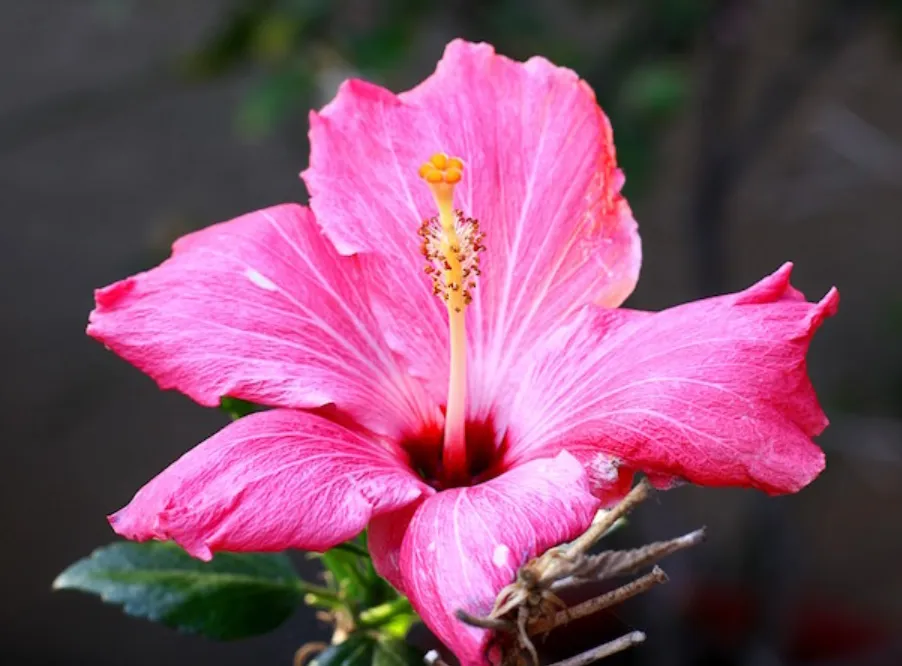
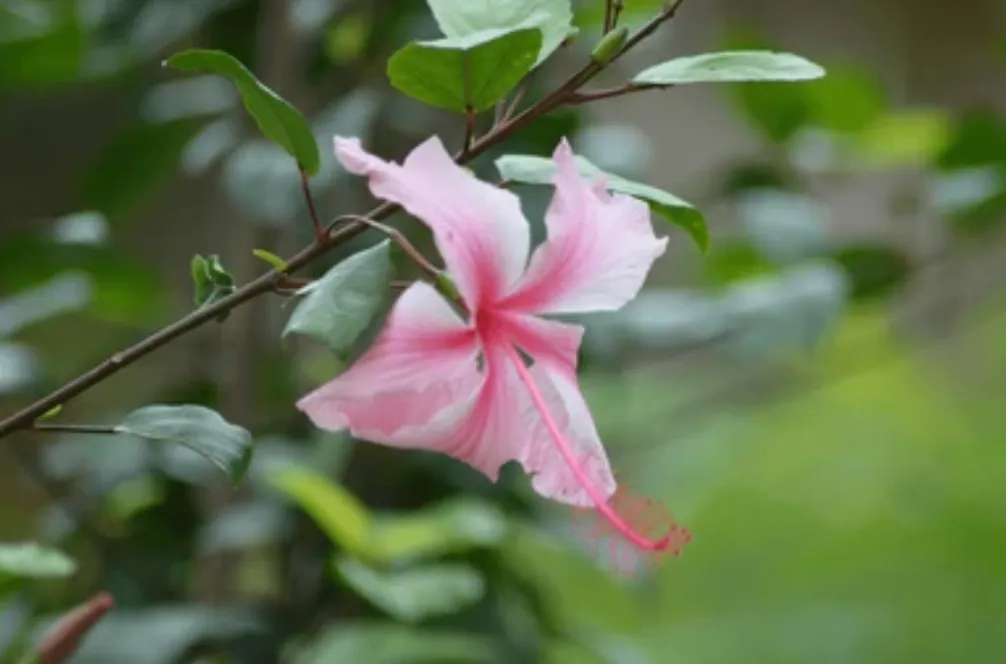
The seedling matures by producing roots, stems, and leaves. Once mature, it produces flowers. Flowers contain reproductive parts such as stamens, anthers, carpels, stigmas, styles, and ovaries.
Fertilisation and Fruit Stage
After pollination, fertilisation occurs inside the ovule. The ovule becomes the seed, and the ovary becomes the fruit. This fruit protects the seed and helps in dispersal.
Survival Ability
Angiosperms survive in nature because they can adapt to different climates, attract pollinators, form fruits, produce many seeds, and spread their offspring efficiently. Some survive as annual plants, while others live for many years as shrubs or trees.
Their Reproductive Process and raising their children
Angiosperms do not raise their offspring as animals do; instead, they protect and support their offspring through seeds, fruits, and stored food. Their reproductive process is highly organised and efficient.
Key points of angiosperm reproduction:
- Flower production: A mature angiosperm produces flowers, which are the main reproductive organs.
- Male reproductive part: The stamen produces pollen grains. Each pollen grain carries male reproductive cells.
- Female reproductive part: The carpel contains the stigma, style, ovary, and ovules. The ovules contain female reproductive cells.
- Pollination: Pollen is transferred from the anther to the stigma. This can happen through wind, water, insects, birds, bats, or human assistance.
- Pollen tube formation: After landing on the stigma, pollen grows a tube down through the style toward the ovule.
- Double fertilisation: One sperm cell fertilises the egg cell to form the embryo. Another sperm cell joins with other cells to form the endosperm, which nourishes the embryo.
- Seed formation: The fertilised ovule becomes a seed.
- Fruit formation: The ovary becomes a fruit that protects the seed.
- Seed dispersal: Seeds are spread to new places, where they can germinate and grow.
In this way, angiosperms “raise” the next generation by protecting young embryos within seeds and providing stored food for early growth.
The importance of them in this Ecosystem
Food Web Support
Angiosperms are the base of many food chains. They produce fruits, seeds, leaves, nectar, roots, and stems that feed insects, birds, mammals, reptiles, and humans. Crops such as rice, wheat, maize, potatoes, tomatoes, apples, and bananas are all angiosperms.
Oxygen Production
Through photosynthesis, angiosperms release oxygen into the air. This oxygen supports animals, humans, and many microorganisms.
Habitat Creation
Trees, shrubs, grasses, and flowering herbs create habitats for countless species. Forests, grasslands, wetlands, and gardens all depend heavily on angiosperms.
Pollinator Relationships
Many angiosperms have close relationships with bees, butterflies, moths, birds, and bats. Flowers provide nectar and pollen, while pollinators help plants reproduce.
Soil Protection
Roots hold soil together and reduce erosion. Leaf litter improves soil fertility by adding organic matter.
Climate Balance
Angiosperms absorb carbon dioxide and store carbon in their stems, roots, leaves, and soil. This helps regulate the climate and maintain ecological balance.
Human Benefits
Humans depend on angiosperms for food, medicine, clothing fibres, timber, oils, spices, perfumes, rubber, and ornamental beauty.
What to do to protect them in nature and save the system for the future
Protecting angiosperms means protecting food systems, biodiversity, pollinators, soil health, and future ecosystems. Flowering plants are deeply connected with human survival, so conservation is essential.
- Plant more native flowering plants in gardens, parks, roadsides, farms, and school areas.
- Avoid cutting trees unnecessarily, especially mature flowering trees that provide fruit, shade, oxygen, and habitat.
- Protect natural forests, grasslands, wetlands, and wildflower habitats.
- Reduce the use of harmful pesticides because they can kill bees, butterflies, and other pollinators.
- Support organic and eco-friendly farming practices.
- Save local seed varieties to protect genetic diversity.
- Grow pollinator-friendly plants, such as sunflowers, marigolds, basil, lavender, and mustard, as well as fruit trees.
- Stop the spread of invasive plant species that damage native ecosystems.
- Reduce air, water, and soil pollution.
- Protect rivers, wetlands, and ponds where many aquatic and semi-aquatic angiosperms grow.
- Teach students and communities about the importance of flowering plants.
- Support botanical gardens, seed banks, conservation projects, and local tree-planting programmes.
- Use water carefully because plants depend on clean water for growth and survival.
- Choose sustainable wood, paper, and plant-based products.
- Encourage urban green spaces that support flowering plants, birds, and insects, and promote healthier cities.
Frequently Asked Questions (FAQs)
Q: What is the life cycle of an angiosperm?
A: The life cycle of an angiosperm is the process by which a flowering plant grows from a seed, becomes a mature plant, produces flowers, forms seeds inside fruits, and spreads those seeds to create new plants.
Q: What is an angiosperm definition in simple words?
A: The simple angiosperm definition is: an angiosperm is a flowering plant that produces seeds enclosed inside fruits.
Q: What are common angiosperm examples?
A: Common angiosperm examples include rice, wheat, maize, mango, apple, banana, rose, sunflower, tomato, cotton, mustard, and water lily.
Q: What is the difference between angiosperms and gymnosperms?
A: In angiosperms vs gymnosperms, angiosperms produce flowers and fruits with enclosed seeds, while gymnosperms produce naked seeds, usually on cones. Mango and rose are angiosperms; pine and fir are gymnosperms.
Q: How does angiosperm reproduction happen?
A: Angiosperm reproduction happens through flowers. Pollen reaches the stigma, a pollen tube grows to the ovule, fertilisation occurs, and the ovule becomes a seed while the ovary becomes a fruit.
Q: Why are flowers important in the angiosperm life cycle?
A: Flowers are important because they contain the reproductive organs of angiosperms. They help attract pollinators and support fertilisation.
Q: Why do angiosperms produce fruits?
A: Angiosperms produce fruits to protect seeds and help spread them. Animals often eat fruits and carry seeds to new places.
Q: Why are angiosperms so successful in nature?
A: Angiosperms are successful because they have flowers for efficient pollination, fruits for seed protection, seeds for survival, and strong adaptability to many environments.
Conclusion
The life cycle of an angiosperm shows how flowering plants grow, reproduce, survive, and support life on Earth. From seed germination to flower formation, from pollination to fertilisation, and from fruit development to seed dispersal, each stage has a clear purpose. Angiosperms are not only beautiful plants; they are the foundation of food systems, ecosystems, agriculture, medicine, and biodiversity.
Understanding what an angiosperm is, the correct angiosperm definition, common angiosperm examples, and the difference between angiosperm vs gymnosperm helps us appreciate how advanced flowering plants are. Their reproductive system is one of nature’s most successful designs.
To protect the future, we must protect flowering plants, pollinators, soil, forests, wetlands, and natural habitats. When angiosperms survive, ecosystems become stronger, food security improves, and life on Earth remains balanced.
Also Read: life cycle of a cat