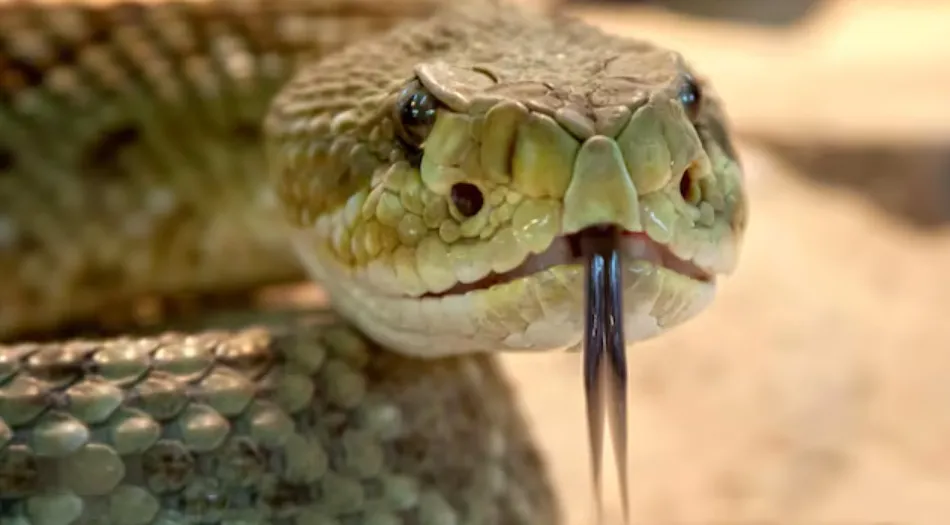
The life cycle of a Snake is one of the most fascinating processes in the animal kingdom. From tiny hatchlings emerging from eggs to fully grown predators dominating their environment, snakes undergo a remarkable journey of transformation and survival. Found across nearly every continent except Antarctica, snakes have adapted to diverse habitats, including forests, deserts, wetlands, and even urban environments.
Snakes belong to the reptile class and are cold-blooded (ectothermic), meaning they rely on external heat sources to regulate their body temperature. Their unique anatomy—elongated bodies, flexible jaws, and lack of limbs—makes them highly efficient hunters. Whether it’s a rat snake controlling rodent populations or a brightly colored coral snake warning predators with its venomous nature, each species plays a crucial role in nature.
In today’s digital age, snakes have also become popular in unexpected ways, such as the iconic snake game on Google, which introduced millions to the concepts of movement and growth in a simplified virtual form. However, real snakes are far more complex and essential to ecological balance.
Understanding the life cycle of a snake not only helps us appreciate their biological processes but also highlights their importance in maintaining ecosystems. This article explores their origin, evolution, reproduction, survival strategies, and their vital role in nature, all based on the most up-to-date 2026 insights.
Their Evolution And Their Origin
Snakes have a long and intriguing evolutionary history that dates back over 150 million years. Scientists believe that snakes evolved from lizard-like ancestors during the Late Jurassic or Early Cretaceous period. These early reptiles gradually lost their limbs as they adapted to burrowing or aquatic lifestyles.
One of the strongest pieces of evidence for snake evolution comes from fossil discoveries. Fossils such as Najash rionegrina show early snakes with small hind limbs, indicating that modern snakes evolved from four-limbed ancestors. Over millions of years, these limbs disappeared completely, giving rise to the sleek, limbless bodies we see today.
Evolution has allowed snakes to develop several key survival traits:
- Flexible jaws that enable them to swallow prey larger than their heads
- Highly sensitive tongues are used for detecting chemical signals in the environment
- Heat-sensing pits in some species for locating warm-blooded prey
Snakes diversified into thousands of species, each adapted to different environments. For example:
- The hognose snake evolved an upturned snout for digging in sandy soils
- The coral snake developed bright coloration as a warning signal (aposematism)
- The rat snake adapted to climbing and hunting in trees
Modern genetic studies (updated in 2026) suggest that snakes are closely related to monitor lizards and other squamates. Their success as a species is largely due to their adaptability and efficient hunting techniques.
Today, snakes are found in nearly every ecosystem, from tropical rainforests to arid deserts, proving that their evolutionary journey has been remarkably successful.

The History of Their Scientific Naming
The scientific naming of snakes follows the binomial nomenclature system introduced by Carl Linnaeus in the 18th Century. This system assigns each species a unique two-part Latin name, ensuring global consistency in identification.
Here are key points about the history of snake scientific naming:
- Linnaean System (18th Century):
- Carl Linnaeus classified snakes under the order Serpentes, laying the foundation for modern taxonomy.
- Early Classification Challenges:
- Initially, snakes were grouped by physical traits such as scales and body shape, which sometimes led to confusion.
- Development of Families:
- Scientists later classified snakes into families such as Colubridae (non-venomous snakes, like rat snakes) and Elapidae (venomous snakes, like coral snakes).
- Advancement Through DNA Analysis:
- In the late 20th and early 21st centuries, genetic studies revolutionized classification, correcting many earlier mistakes.
- Modern Taxonomy (2026):
- Today, scientists use molecular phylogenetics to classify snakes more accurately and identify evolutionary relationships between species.
- Standardization Across the World:
- Scientific names ensure that a snake species is recognized globally, regardless of local names or languages.
This evolving classification system helps researchers better understand snake diversity, behavior, and ecological roles.
Their life cycle and ability to survive in nature
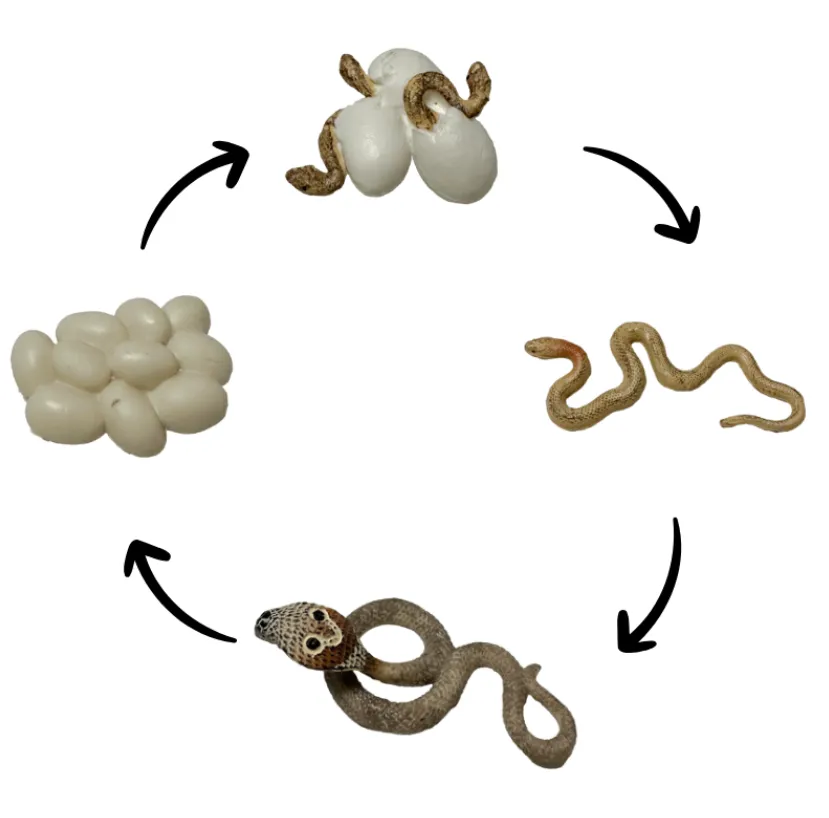
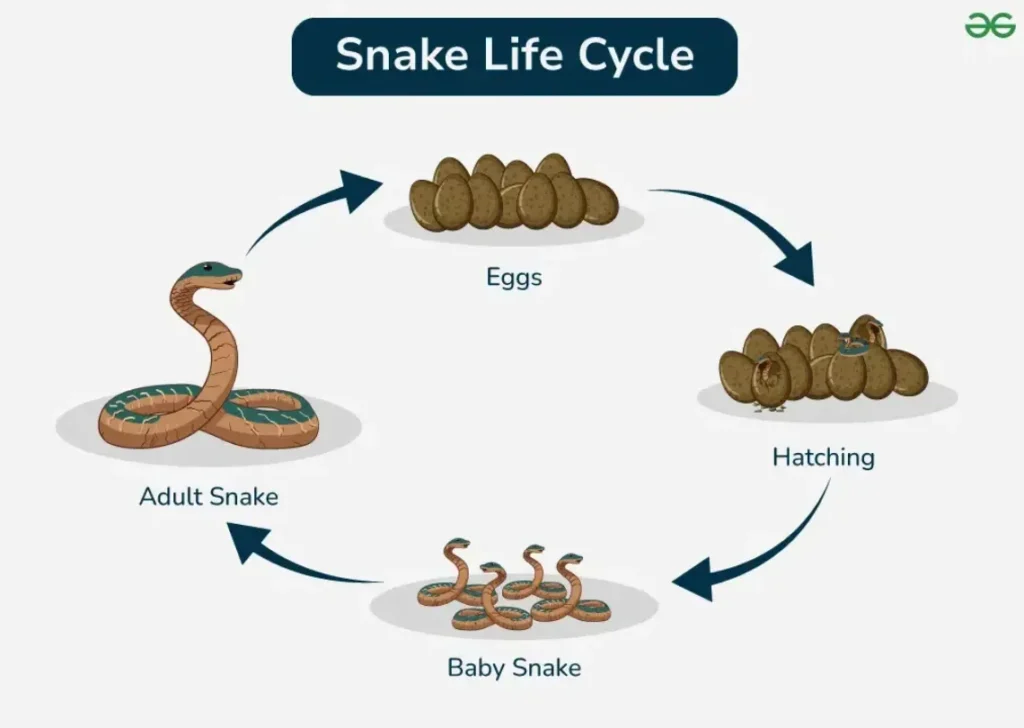
The life cycle of a snake consists of several distinct stages, each crucial for survival and growth.
- Egg Stage or Birth:
- Depending on the species, snakes either hatch from eggs (oviparous) or are born alive (viviparous).
- Hatchling Stage:
- Newly born snakes are independent from birth and must immediately find food and shelter.
- Juvenile Stage:
- Young snakes grow rapidly and shed their skin frequently (a process called ecdysis).
- Adult Stage:
- Mature snakes reproduce and continue to hunt efficiently.
Snakes have developed remarkable survival abilities:
- Camouflage:
- Their skin patterns help them blend into their surroundings and avoid predators.
- Venom and Constriction:
- Some species use venom, while others, like rat snakes, use constriction to subdue prey.
- Energy Efficiency:
- Snakes can survive long periods without food due to their slow metabolism.
- Shedding Skin:
- This process removes parasites and allows growth.
These adaptations enable snakes to thrive in diverse environments, from dense jungles to deserts.
Their Reproductive Process and raising their children
Snake reproduction is diverse and fascinating, varying widely among species.
- Mating Season:
- Most snakes mate during warmer months when environmental conditions are favorable.
- Courtship Behavior:
- Males may compete or perform rituals to attract females.
- Fertilization:
- Internal fertilization occurs through specialized reproductive organs.
- Egg Laying or Live Birth:
- Oviparous snakes lay eggs (e.g., many rat snakes)
- Viviparous snakes give birth to live young
- Incubation:
- Eggs are often left in warm environments, though some species guard them.
- Minimal Parental Care:
- Most snakes do not raise their young, except for a few species, such as pythons.
- Survival of the Fittest:
- Hatchlings must fend for themselves immediately after birth.
Despite limited parental involvement, snakes maintain stable populations due to high reproductive efficiency.
The importance of them in the ecosystem
Snakes play a vital role in maintaining ecological balance.
- Rodent Control:
- Species like rat snakes help control pests that damage crops and spread diseases.
- Food Chain Balance:
- Snakes act as both predators and prey, supporting biodiversity.
- Indicator Species:
- Their presence reflects a healthy ecosystem.
- Medical Research:
- Snake venom is used in developing medicines, including treatments for heart disease.
- Preventing Overpopulation:
- By controlling prey species, snakes prevent ecological imbalance.
Without snakes, ecosystems would face severe disruptions, including pest outbreaks and reduced biodiversity.
Important Things That You Need To Know
Snakes are widely discussed not only in biology but also in culture, gaming, and symbolism. Here are some important insights:
The snake Google game became a global phenomenon, symbolizing growth and survival—much like real snakes in nature. Players guide a snake to grow longer, reflecting how snakes grow through feeding and shedding.
The hognose snake is known for its dramatic defense behavior, including playing dead. This shows how snakes rely on strategy rather than brute strength.
The brightly colored coral snake uses warning colors to signal its venomous nature, illustrating evolutionary adaptation.
The rat snake is one of the most beneficial snakes for humans, especially in agricultural areas, where it reduces rodent populations.
Lastly, the term snake eyes is often used symbolically in games and culture, but in real life, snake vision varies widely, with some species having excellent night vision.
These examples highlight how snakes are deeply connected to science, culture, and everyday life.
What to do to protect them in nature and save the system for the future
Protecting snakes is essential for maintaining ecological balance. Here’s what can be done:
- Preserve Natural Habitats:
- Protect forests, wetlands, and grasslands where snakes live.
- Avoid Killing Snakes:
- Most snakes are harmless and beneficial.
- Educate Communities:
- Spread awareness about the importance of snakes.
- Support Conservation Programs:
- Participate in wildlife protection initiatives.
- Reduce Pollution:
- Chemicals and waste harm snake populations.
- Promote Sustainable Farming:
- Use eco-friendly methods to protect natural predators, such as snakes.
- Protect Endangered Species:
- Enforce laws against illegal wildlife trade.
- Encourage Research:
- Scientific studies help understand and conserve snake populations.
Taking these steps ensures that snakes continue to thrive and support ecosystems.
Frequently Asked Questions (FAQs)
1. What is the life cycle of a snake?
It includes egg/birth, hatchling, juvenile, and adult stages.
2. How long do snakes live?
Most snakes live between 10 and 25 years, depending on species.
3. Do all snakes lay eggs?
No, some snakes give birth to live young.
4. How do snakes grow?
They grow by shedding their skin periodically.
5. Are snakes important for humans?
Yes, they control pests and contribute to medical research.
6. What do snakes eat?
They eat rodents, insects, birds, and other small animals.
7. Are all snakes venomous?
No, most snakes are non-venomous.
8. How do snakes survive without food for long periods?
They have a slow metabolism that conserves energy.
Conclusion
The life cycle of a snake is a remarkable journey that reflects nature’s ability to adapt, survive, and evolve. From their ancient origins as lizard-like creatures to the diverse species we see today, snakes have proven to be among the most resilient animals on Earth.
Each stage of their life—from hatchling to adult—is carefully designed for survival. Their unique abilities, such as shedding their skin, efficient hunting techniques, and energy conservation, allow them to thrive even in the harshest environments. Whether it’s the adaptable rat snake or the striking coral snake, every species contributes to ecological balance.
Snakes are not just predators; they are essential components of ecosystems. They regulate prey populations, support biodiversity, and even contribute to medical advancements through venom research. Unfortunately, habitat destruction, pollution, and human fear continue to threaten their existence.
By understanding and respecting snakes, we can change negative perceptions and promote conservation efforts. Protecting snakes means protecting the delicate balance of nature itself.
As we move forward into 2026 and beyond, it is crucial to recognize that snakes are not enemies but allies in maintaining a healthy environment. Their survival is directly linked to the well-being of our planet, making their conservation a shared responsibility for future generations.
Also Read About: Praying-mantis-life-cycle