The bunny life cycle is a fascinating journey that highlights how quickly these gentle creatures grow and adapt in nature. From tiny, helpless newborns to agile and alert adults, bunnies (young rabbits) go through several well-defined stages that ensure their survival in both wild and domestic environments. Understanding this life cycle is essential for animal lovers, pet owners, and anyone interested in wildlife biology.
Bunnies are known for their rapid reproduction, soft appearance, and unique behaviors. Whether you’re observing a wild bunny in your garden or raising a pet rabbit, knowing their life stages helps you provide better care and appreciate their instincts.
Quick Answers (Most Common Questions)
1. How long is the bunny’s life cycle?
The bunny life cycle typically spans 8–12 years, but their growth from birth to adulthood happens within just a few months.
2. How fast do baby bunnies grow?
Baby bunnies grow very quickly, opening their eyes within 10 days and becoming independent in about 4–6 weeks.
3. How often do rabbits reproduce?
Rabbits can reproduce multiple times a year, with females capable of giving birth to several litters annually.
Quick Life Cycle Table
| Stage | Age Range | Key Characteristics |
| Newborn (Kit) | 0–2 weeks | Blind, hairless, fully dependent |
| Juvenile | 2–8 weeks | Eyes open, begin eating solid food |
| Young Rabbit | 2–6 months | Rapid growth, learning survival skills |
| Adult Rabbit | 6 months–6+ years | Fully mature, capable of reproduction |
| Senior Rabbit | 6+ years | Slower activity requires more care |

The History Of Their Scientific Naming
The scientific classification of rabbits has evolved as scientists gained a better understanding of their biology and genetic relationships.
- Rabbits belong to the family Leporidae, which also includes hares.
- The most common domestic rabbit is scientifically known as Oryctolagus cuniculus.
- Early naturalists often confused rabbits with rodents due to their teeth, but later studies placed them in a separate order called Lagomorpha.
- The name Oryctolagus comes from Greek, meaning “digging hare,” referring to their burrowing behavior.
- Over time, taxonomy has refined its classification based on DNA studies and evolutionary traits.
This scientific naming helps researchers distinguish between wild and domestic species and understand their evolutionary background more clearly.
Their Evolution And Their Origin
Rabbits have a long evolutionary history that dates back millions of years. Fossil evidence suggests that early rabbit-like animals appeared during the Paleogene period, around 50 million years ago.
These early ancestors gradually evolved into modern rabbits through natural selection. Their strong hind legs, sharp senses, and ability to reproduce quickly made them highly adaptable to different environments.
Rabbits are believed to have originated in Europe and parts of Africa. Over time, they spread across continents due to natural migration and human introduction. Today, they can be found in forests, grasslands, deserts, and even urban areas.
One of the most significant evolutionary traits of rabbits is their reproductive strategy. Unlike many animals, rabbits reproduce rapidly to compensate for high predation rates. This ensures that their population remains stable despite threats from predators.
Additionally, their digestive system evolved to process fibrous plant materials efficiently. Their ability to re-ingest partially digested food (a process called coprophagy) allows them to extract maximum nutrients.
Overall, the evolution of rabbits highlights their resilience and adaptability, making them one of the most successful small mammals on Earth.
Their Main Food and Its Collection Process
Rabbits are herbivores, meaning their diet consists entirely of plant-based foods. Their feeding habits play a crucial role in their survival and growth.
Main Food Sources
- Fresh grasses (primary diet in the wild)
- Leafy vegetables
- Herbs and weeds
- Bark and twigs
- Hay (essential for domestic rabbits)
Food Collection Process
- Rabbits forage mainly during dawn and dusk (crepuscular behavior).
- They use their sharp sense of smell to locate fresh vegetation.
- Their strong front teeth continuously grow, allowing them to chew tough plant materials.
- They graze in short bursts to stay alert for predators.
- Rabbits often return to the same feeding areas if they find reliable food sources.
Their digestive system is highly specialized. After consuming food, they produce soft pellets (cecotropes) that they re-eat to absorb additional nutrients. This unique process helps them survive even in low-nutrient environments.
Important Things That You Need To Know
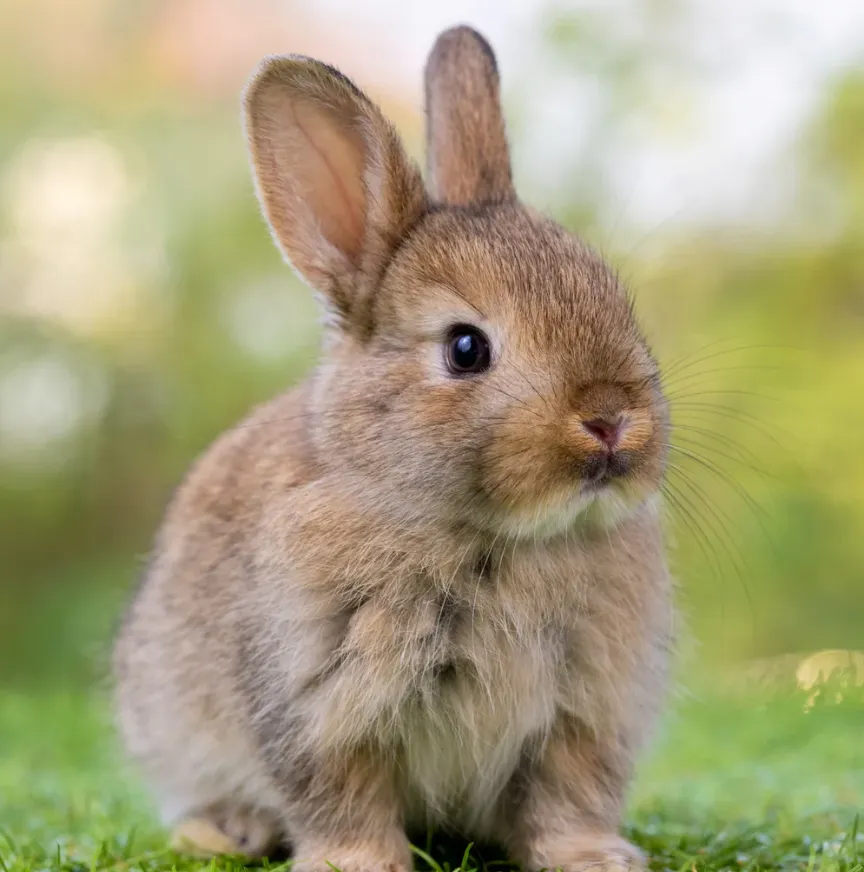
Understanding different types of “bunny” references helps avoid confusion and improves knowledge about related topics.
The word bunny is widely used, but it can refer to various things beyond actual rabbits. For example, a sea bunny is a type of sea slug known for its cute appearance, while a snow bunny often refers to people who enjoy snowy environments.
Similarly, terms like poor bunny and psycho bunny are used in popular culture, not biology. Even Bad Bunny Calvin Klein refers to a celebrity collaboration, not an animal.
However, when discussing real rabbits:
- The term bunny usually refers to young or small rabbits.
- Wild rabbits differ from domestic ones in behavior and diet.
- Understanding these distinctions helps in proper care and identification.
This clarity ensures accurate knowledge and avoids mixing unrelated topics with actual rabbit biology.
Their Life Cycle and Ability to Survive in Nature
Newborn Stage (Kits)
Baby rabbits are born blind, hairless, and completely dependent on their mother. They stay hidden in nests for protection.
Growth Stage
Within 10 days, their eyes open, and they begin exploring. By 3–4 weeks, they start eating solid food.
Juvenile Stage
Young rabbits learn survival skills such as running, hiding, and foraging. This stage is critical for independence.
Adult Stage
Adult rabbits are fully developed and capable of reproduction. They are alert and skilled at avoiding predators.
Survival Abilities
- Excellent hearing and vision
- Fast running speed (up to 40 mph)
- Camouflage fur
- Burrowing behavior for protection
These traits make rabbits highly adaptable and capable of surviving in diverse environments.
Their Reproductive Process and Raising Their Children
Rabbits are known for their high reproductive rate, which plays a vital role in their survival.
Reproductive Process
- Female rabbits (does) can become pregnant at 3–6 months.
- Gestation lasts about 28–31 days.
- A single litter can contain 4–12 baby bunnies.
- Females can have multiple litters each year.
Raising Their Young
- Mothers build nests using fur and grass.
- They nurse their babies once or twice a day to avoid attracting predators.
- Kits grow quickly and become independent within weeks.
- Mothers provide minimal direct care but ensure safety through hidden nesting.
This efficient reproductive strategy ensures population stability even in harsh conditions.
Importance of Them in this Ecosystem
Food Chain Contribution
Rabbits serve as prey for many predators such as foxes, hawks, and snakes.
Soil Health
Their burrowing aerates the soil, improving its quality.
Vegetation Control
Rabbits help control plant growth by grazing, maintaining ecological balance.
Seed Dispersal
They spread seeds through their droppings, aiding plant reproduction.
Overall, rabbits play a crucial role in maintaining ecosystem balance.
What to Do to Protect Them in Nature and Save the System for the Future
- Protect natural habitats from destruction
- Avoid using harmful pesticides
- Provide safe environments for wild rabbits
- Support wildlife conservation programs
- Educate others about the importance of rabbits
- Prevent overhunting and illegal trapping
- Plant native vegetation for food sources
- Keep domestic rabbits responsibly to avoid ecological imbalance
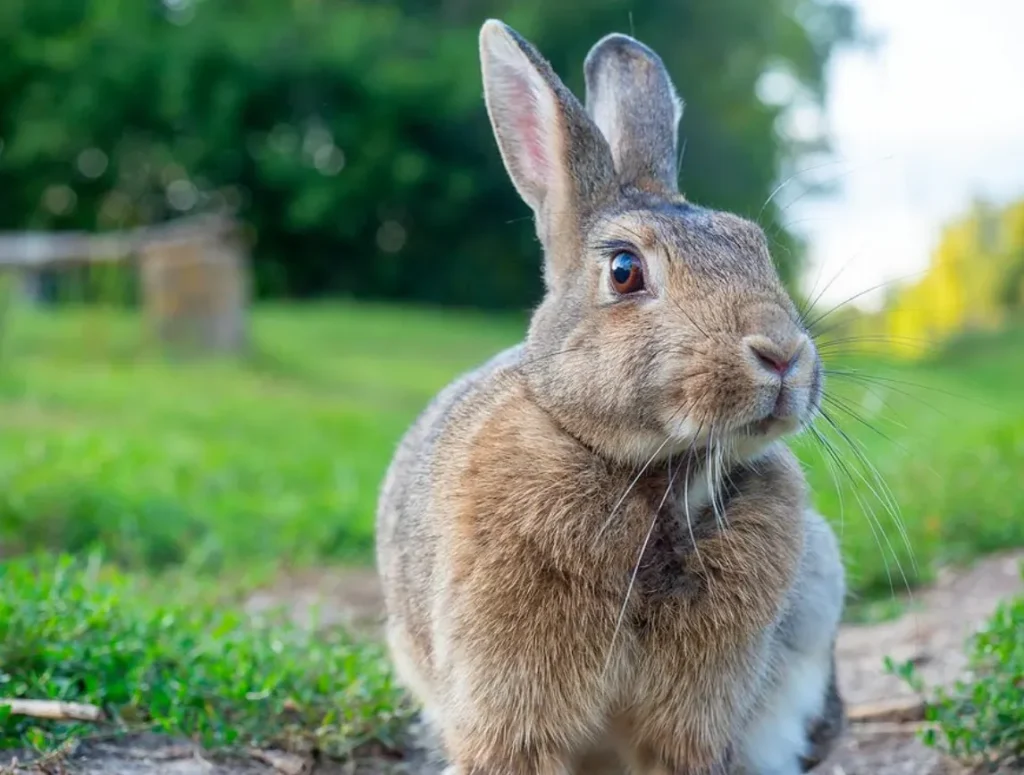
Frequently Asked Questions (FAQs)
1. What is the lifespan of a bunny?
Bunnies typically live 8–12 years, depending on care and environment.
2. How many babies can a rabbit have?
A rabbit can have 4–12 babies per litter.
3. When do baby rabbits open their eyes?
They open their eyes around 10 days after birth.
4. What do baby bunnies eat?
Initially, they drink mother’s milk, then transition to grass and vegetables.
5. How fast do rabbits reproduce?
Very fast—multiple litters per year.
6. Are rabbits nocturnal?
No, they are crepuscular (active at dawn and dusk).
7. Why do rabbits eat their own droppings?
To absorb additional nutrients through a process called coprophagy.
8. Can rabbits survive in cities?
Yes, they adapt well to urban environments if food and shelter are available.
Conclusion
The bunny life cycle is a remarkable example of nature’s efficiency and adaptability. From fragile newborn kits to swift and alert adults, rabbits undergo rapid development that ensures their survival in a world full of predators and environmental challenges.
Their ability to reproduce quickly, adapt to various habitats, and contribute to ecosystems makes them an essential part of biodiversity. Understanding their life cycle not only helps in caring for domestic rabbits but also highlights the importance of protecting their natural habitats.
By preserving their environment and spreading awareness, we can ensure that future generations continue to enjoy and learn from these gentle and fascinating creatures.
Also Read: toxoplasma gondii life cycle