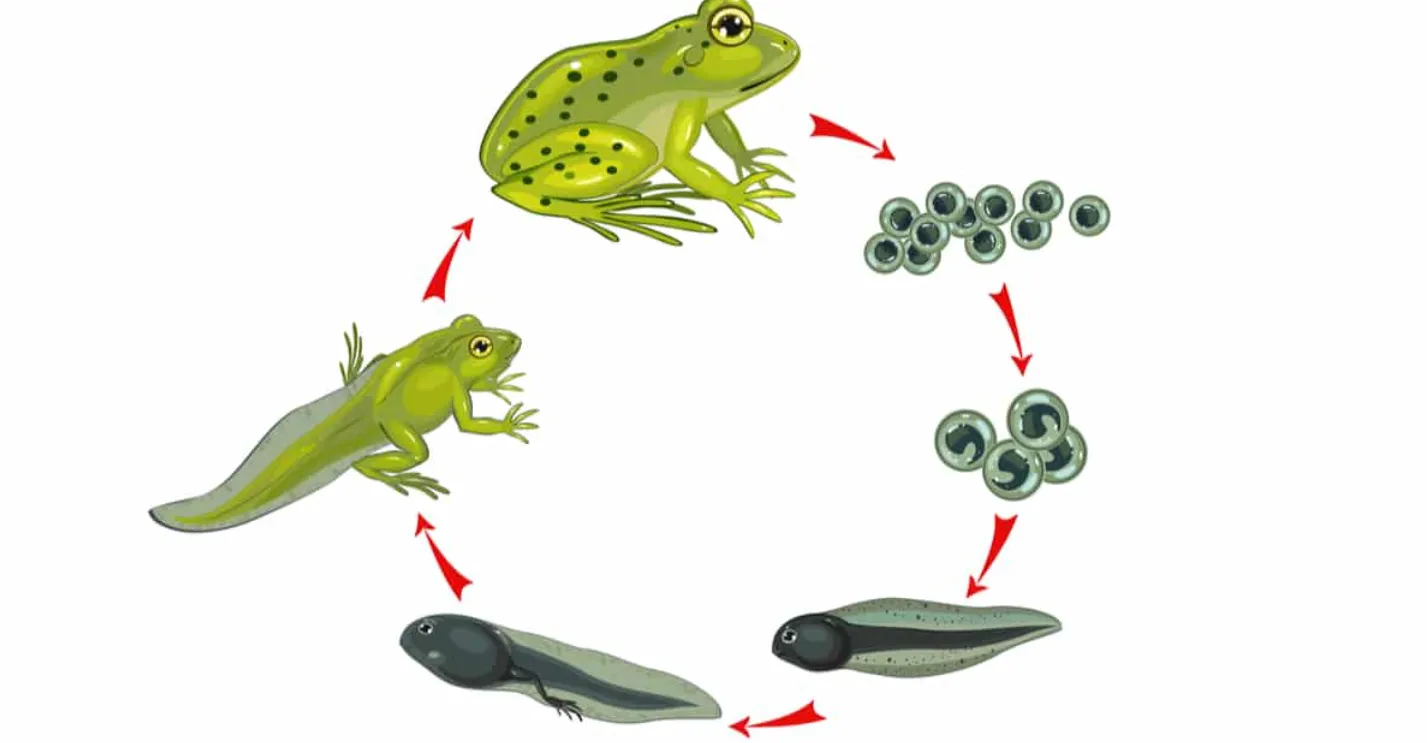
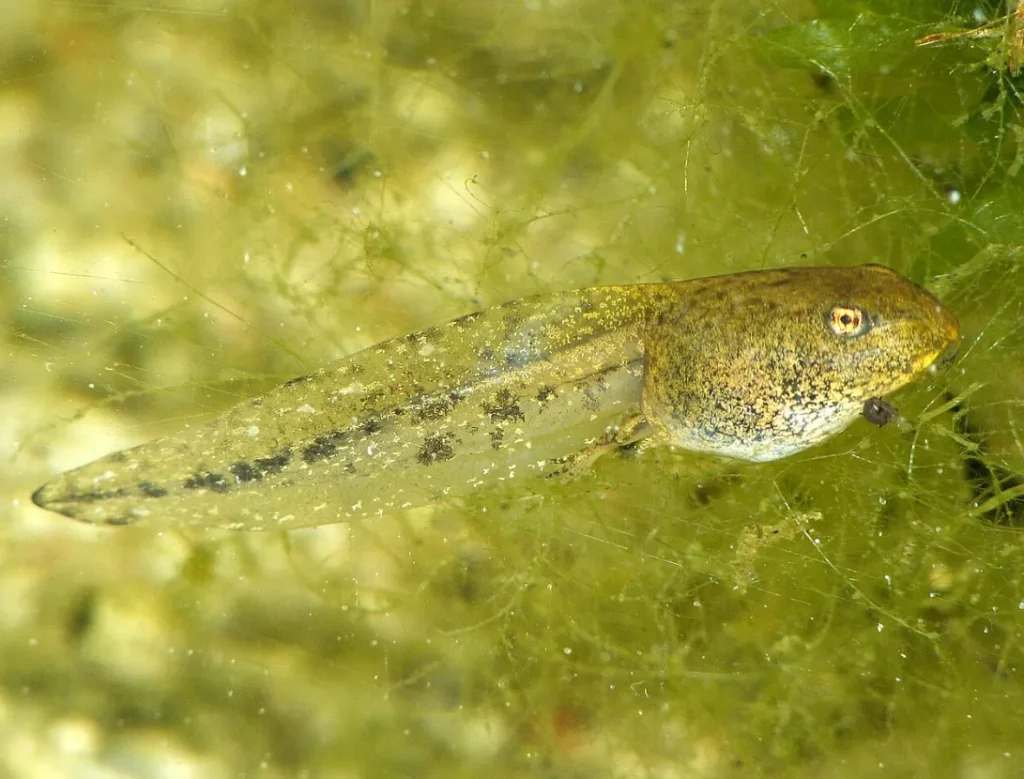
The tadpole life cycle is one of the most interesting natural changes in the animal world. A tadpole is the early larval stage of a frog or toad. It usually begins life in water after hatching from frog eggs. At first, a tadpole looks more like a tiny fish than a frog because it has a soft body, a long tail, and gills for breathing underwater. Britannica describes tadpoles as the aquatic larval stage of frogs and toads, usually with short oval bodies, broad tails, small mouths, and internal gills covered by an operculum.
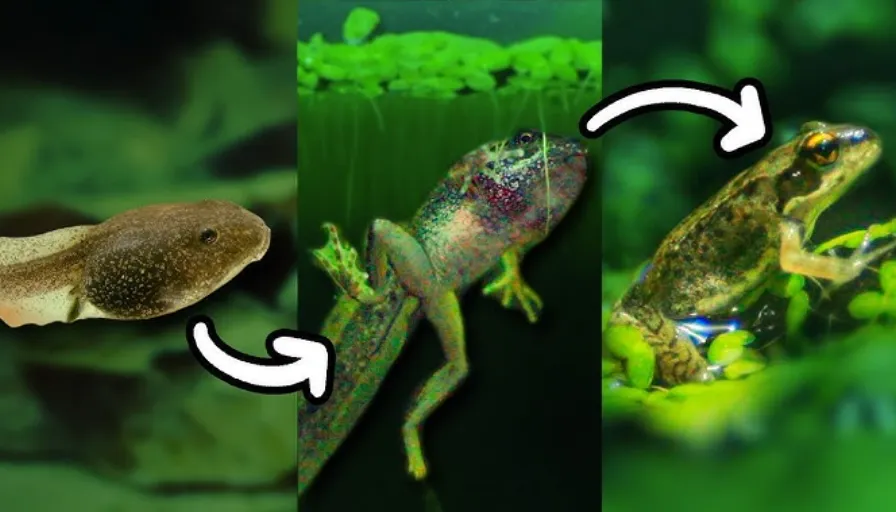
The change from tadpole to frog is called metamorphosis. During this process, the tadpole grows legs, develops lungs, changes its mouth shape, absorbs its tail, and slowly becomes a froglet. Later, the froglet grows into an adult frog and can reproduce.
The timing is not the same for all species. Some tadpoles complete development within weeks, while others may stay in the tadpole stage for months or even years. The American Museum of Natural History notes that the tadpole stage can last from days to years, depending on the species and weather conditions.
Quick Answers: Most Common Questions
Q: What is a tadpole?
A: A tadpole is the early stage of a frog or toad. It usually lives in water, breathes with gills, swims with a tail, and later changes into a frog through metamorphosis.
Q: How long does the tadpole’s life cycle take?
A: It depends on the frog species, water temperature, food, and environment. Many common frogs change from tadpole to froglet in a few weeks to a few months, while bullfrog tadpoles may take one to three years.
Q: What do tadpoles eat?
A: Most young tadpoles eat algae, soft plant matter, and tiny organic particles. As they grow, some species also eat small insects, dead plant material, or even other small aquatic organisms.
Quick Life Cycle Table
| Stage | What Happens | Main Habitat | Simple Time Range |
| Egg | Frogs lay jelly-like eggs in water or damp places | Pond, wetland, stream, leaf surface | A few days to weeks |
| Tadpole | Hatches with a tail and gills; eats and grows | Mostly water | Weeks, months, or years |
| Froglet | Grows legs, lungs develop, tail becomes smaller | Water edge and damp land | Several days to weeks |
| Adult Frog | A fully formed frog can live on land and water and reproduce | Wetlands, ponds, forests, gardens | Years, depending on species |
The History of Their Scientific Naming, Evolution, and Origin
Scientific Naming
The scientific group for frogs and toads is Anura. This name comes from Greek roots meaning “without tail.” It fits adult frogs because mature frogs do not keep the long tail they had as tadpoles. Britannica also explains that amphibians are animals linked with a “double life,” because many live part of their life in water and part on land.
Origin of the Word Tadpole
The word tadpole comes from Middle English. Merriam-Webster explains that it developed from words meaning “toad” and “head,” which makes sense because a young tadpole looks like a big head with a tail.
Evolution and Ancient History
The tadpole stage is very old. In 2024, scientists reported the oldest known tadpole fossil from Argentina, dating to about 161 million years ago. The fossil belonged to Notobatrachus degiustoi and showed that tadpole body design has stayed surprisingly stable since the Jurassic Period.
Origin of the Life Cycle
The tadpole life cycle likely helped frogs survive by dividing life into two useful stages. Tadpoles focus on feeding and growing in water. Adult frogs move better on land and can hunt insects. This split lifestyle enables many frogs to use both aquatic and terrestrial habitats.
Their Reproductive Process, Giving Birth, And Rising Their Children
Mating and Egg Laying
Frogs do not give birth like mammals. Most frogs reproduce by laying eggs. During breeding season, male frogs often call to attract females. When a female arrives, the male may hold her in a position called amplexus. This helps release sperm over the eggs as the female lays them.
Frog Eggs and Early Protection
Most tadpole eggs are soft, jelly-like, and laid in water. The jelly protects the developing embryos from drying out and provides some protection against minor threats. Some frogs lay eggs in ponds, while others place eggs on leaves, foam nests, wet soil, or tree holes.
Hatching Into Tadpoles
When the embryos are ready, they hatch into tadpoles. These young larvae usually stay in water and begin feeding. At this stage, they do not look like adult frogs. They have tails, gills, and small mouths designed for scraping algae or collecting soft food.
Raising Their Young
Most frogs do not raise their young after laying eggs. However, some frog species show strong parental care. Certain frogs guard eggs, carry tadpoles, or place them in safe water pockets. Still, for many common frogs, survival depends on water quality, hiding places, and enough natural food.
Survival Challenges
A large number of eggs and tadpoles do not survive. Fish, birds, snakes, insects, and even other frogs may eat them. This is why many frogs lay many eggs at once. Producing many eggs increases the chance that some tadpoles will survive and become adult frogs.
Stages of the Tadpole Life Cycle
Stage 1: Egg Stage
The egg stage begins when a female frog lays eggs in a safe, moist place. In many species, eggs are placed in ponds, wetlands, ditches, or slow-moving water. The eggs are usually covered in a jelly-like layer. This jelly helps protect them and keeps them moist.
Inside each egg, a tiny embryo begins to form. The embryo grows until it is ready to hatch. Hatching time depends on species, water temperature, oxygen levels, and safety. Warmer water may speed development, while colder water may slow it.
Stage 2: Tadpole Stage
The tadpole stage is the main growing stage. A newly hatched tadpole has a tail and breathes with gills. It spends most of its time swimming, hiding, and eating. Tadpoles often feed on algae, soft plant material, and tiny organic matter in the water.
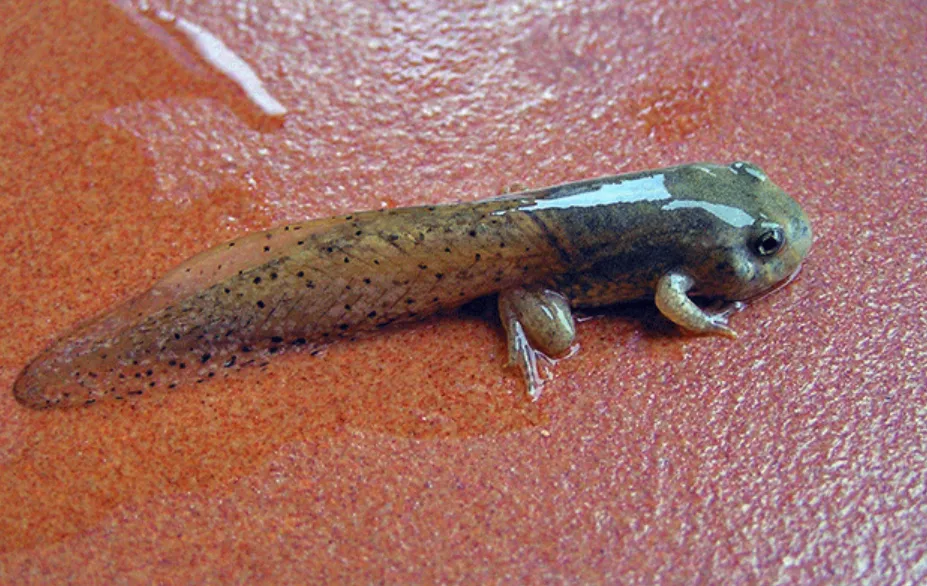
As the tadpole grows, its body becomes stronger. Lungs start to develop inside the body. Back legs usually appear first, followed by front legs. The mouth and digestive system also begin changing because the future frog will need to eat different food.
Stage 3: Froglet Stage
The froglet stage is the transition between the tadpole and the adult frog. At this point, the young frog has legs and lungs, but it may still have a small tail. The tail gradually shortens because the body uses it as a source of energy.
The froglet starts spending more time near the water surface or at the pond edge. It begins using its lungs more often and prepares for life outside water. This is a sensitive stage because the froglet must avoid both aquatic and land predators.
Stage 4: Adult Frog Stage
The final stage is the adult frog stage. The frog no longer has a tail. It has strong legs for jumping or swimming, lungs for breathing air, and skin that helps regulate moisture. Adult frogs usually eat insects, worms, spiders, and other small animals.
When mature, the adult frog can reproduce. It returns to water or damp breeding places, finds a mate, lays eggs, and starts the tadpole life cycle again.
Their main diet, food sources, and collection process are explained
The diet of a tadpole changes as it grows. In the early stage, many tadpoles are mostly herbivorous or detritus-feeding. This means they eat algae, soft plant material, and tiny broken-down organic matter in water.
Main Diet Sources
- Algae: Many tadpoles scrape algae from rocks, pond plants, and underwater surfaces.
- Soft plant matter: They may eat decaying leaves and tender aquatic plants.
- Detritus: This includes tiny dead plant and animal particles in pond mud or water.
- Microorganisms: Tadpoles may consume bacteria and microscopic life attached to organic matter.
- Animal matter: Older tadpoles of some species may eat insect larvae, dead insects, or smaller, weaker tadpoles.
Food Collection Process
Tadpoles do not hunt like adult frogs in the early stage. They usually graze, scrape, and filter food from their surroundings. Their mouthparts help them rasp algae from surfaces. Some tadpoles stay near the pond bottom, while others feed around floating plants.
As they move toward the froglet stage, their mouth, gut, and feeding behavior change. Adult frogs are mostly carnivorous, so the digestive system becomes shorter and better suited for animal prey. This diet shift is an important part of metamorphosis.
How Long Does A Tadpole’s Life Cycle Last
The tadpole life cycle does not have one fixed length. It depends on the species and the environment. Some tadpoles develop quickly because they live in temporary ponds that may dry out. Others grow slowly in larger, stable water bodies.
- Common development time varies widely: Many common frog tadpoles become froglets in several weeks to a few months. However, the American Museum of Natural History notes that the tadpole stage may last from days to years, depending on the species and weather conditions.
- Temperature matters: Warm water usually speeds up growth, while cold water slows it down. Tadpoles in cooler climates may need more time before they become froglets.
- Food supply affects growth: Tadpoles with enough algae and natural food usually grow faster. If food is limited, development may slow down.
- Water quality is important: Clean, oxygen-rich water supports healthy growth. Polluted water can damage eggs, tadpoles, and adult frogs.
- Predators affect survival: Fish, dragonfly larvae, birds, snakes, and larger frogs may eat tadpoles. Many tadpoles die before reaching adulthood.
- Bullfrog tadpoles develop slowly: Bullfrog tadpoles are famous for their long larval period. The North Carolina Wildlife Resources Commission states that American bullfrog tadpoles can take 1 to 3 years to develop into adults.
- The froglet stage is short but risky: once the legs develop and the tail shrinks, the young frog must move between water and land. This is a dangerous time because it faces predators in both habitats.
- Adult lifespan depends on species: Some small frogs live only a few years, while larger frogs may live longer. Bullfrogs, for example, can live for 7 to 10 years, according to the North Carolina Wildlife Resources Commission.
In simple words, a tadpole may stay a tadpole for weeks, months, or years. The exact time depends on species, temperature, water, food, and safety.
Tadpole Life Cycle Lifespan in the Wild vs. in Captivity
Lifespan in the Wild
In the wild, the tadpole life cycle is shaped by nature. Tadpoles must find food, avoid predators, survive weather changes, and live in safe water. Many do not reach adulthood because ponds may dry up or predators may eat them.
Wild tadpoles also face pollution, pesticides, disease, and habitat loss. Because amphibians have sensitive skin and aquatic eggs, changes in water quality can affect them quickly.
Lifespan in Captivity
In captivity, tadpoles may survive better if they have clean water, correct food, enough space, and a safe temperature. However, keeping wild tadpoles is not always recommended or legal in many places. It can also spread disease if they are moved between ponds.
Wildlife groups advise against moving frogspawn, tadpoles, or adult amphibians between wild ponds, as this may spread disease or invasive plants.
Main Difference
The wild provides tadpoles with a natural ecosystem, but it also poses many risks. Captivity can reduce predators, but poor care can harm them. For conservation, the best option is usually to protect natural ponds and wetlands instead of removing tadpoles from nature.
Important Things That You Need To Know
The keyword “tadpole life cycle” is closely linked to several search terms, but not all of them mean the same thing. Understanding these terms helps readers avoid confusion.
Tadpole is the main biological term. It means the early larval stage of frogs and toads. A tadpole usually lives in water, breathes with gills, and later changes into a frog.
Tadpole to frog describes the transformation process known as metamorphosis. This is the most important part of the life cycle because the animal changes from an aquatic larva into an air-breathing frog.
Tadpole eggs usually refer to frog eggs or frogspawn. These eggs are often jelly-like and laid in water or moist places. After development, they hatch into tadpoles.
Bullfrog tadpoles are a special case because they often take much longer to become adult frogs than many smaller frog species.
Some search terms are not part of amphibian biology. A tadpole galaxy is an astronomical term, not an animal term. Tadpole Pokémon usually refers to fictional Pokémon inspired by tadpoles or frogs, not real wildlife. The phrase tadpole porn is not a scientific or educational amphibious term and should be avoided in family-friendly nature content because it does not match the real topic.
So, when learning about the tadpole life cycle, focus on real biology: eggs, tadpoles, froglets, adult frogs, habitat, diet, and conservation.
Importance of the Tadpole Life Cycle in this Ecosystem
Natural Algae Control
Tadpoles help control algae growth in ponds and wetlands. Many species graze on algae and soft plant material. This keeps the water environment more balanced and prevents too much organic buildup.
Food for Other Animals
Tadpoles are an important food source for many animals. Fish, birds, snakes, turtles, aquatic insects, and even larger frogs may eat them. The American Museum of Natural History notes that tadpoles provide food for snakes, fish, birds, and other frogs.
Link Between Water and Land
The tadpole life cycle connects aquatic and land ecosystems. Tadpoles grow in water, while adult frogs often feed on land. This movement helps transfer energy between ponds, wetlands, forests, and grasslands.
Natural Pest Control
Adult frogs eat many insects. By surviving from tadpoles to frogs, they later help reduce insect populations. This can benefit gardens, farms, and natural habitats.
Environmental Health Indicator
Frogs and tadpoles are sensitive to pollution, disease, and climate change. Their presence often shows that a wetland is healthy. Their disappearance can be an early warning that the ecosystem is under stress.
What to do to protect them in nature and save the system for the future
Protect Natural Ponds and Wetlands
- Keep ponds, marshes, and wetlands clean.
- Avoid filling small seasonal ponds because many frogs use them for breeding.
- Leave native plants around pond edges for shade and shelter.
Reduce Chemical Pollution
- Avoid using strong pesticides, herbicides, and chemical fertilizers near water.
- Chemicals can wash into ponds and harm frog eggs, tadpoles, and adult frogs.
- Use natural gardening methods when possible.
Do Not Move Tadpoles Between Ponds
- Moving tadpoles may spread disease or invasive plants.
- Many wildlife groups recommend leaving frogspawn and tadpoles where they are found.
- If rescue is needed, contact local wildlife experts.
Create Frog-Friendly Gardens
- Add shallow water areas, native plants, logs, stones, and damp hiding places.
- Avoid keeping fish in every pond, as many eat tadpoles.
- Keep some areas wild instead of making everything too clean.
Support Amphibian Conservation
- Amphibians are under global pressure. A 2023 Nature study found that 40.7% of amphibian species are globally threatened, with climate change and habitat loss among the major drivers.
- Support local wetland protection, reduce plastic waste, and report illegal wildlife trade.
Fun & Interesting Facts About Tadpole Life Cycle
- Tadpoles look like fish at first, but they are not fish. They are young amphibians.
- Tadpoles breathe with gills early in life. Later, they develop lungs for breathing air.
- The tail does not simply fall off. During metamorphosis, the body absorbs the tail and uses it as a source of energy.
- Back legs usually appear before front legs. This is one of the clearest signs that a tadpole is changing into a froglet.
- Some tadpoles grow very slowly. A bullfrog tadpole may take one to three years to become an adult frog.
- Not all frogs have a free-swimming tadpole stage. Some tropical frogs hatch directly as tiny froglets.
- Tadpoles help clean ponds by eating algae and organic matter.
- Adult frogs can see very well. The American Museum of Natural History says frogs have excellent night vision and are sensitive to movement.
- The oldest known tadpole fossil is about 161 million years old, showing that tadpoles have been part of frog evolution since dinosaur times.
- Tadpoles are tiny but important. They support food webs, water health, and future frog populations.
Frequently Asked Questions FAQs
Q: What are the 4 stages of the tadpole life cycle?
A: The four main stages are egg, tadpole, froglet, and adult frog. These stages show how a frog begins in water and later becomes an adult amphibian.
Q: How does a tadpole become a frog?
A: A tadpole becomes a frog through metamorphosis. It grows legs, develops lungs, changes its mouth and digestive system, absorbs its tail, and becomes a froglet before reaching adulthood.
Q: What is the difference between tadpole eggs and frog eggs?
A: They usually mean the same thing in common language. Frog eggs or frogspawn hatch into tadpoles, so people sometimes call them tadpole eggs.
Q: How long does it take for a tadpole to turn into a frog?
A: Many tadpoles become froglets in weeks or months, but the timing depends on species and environment. Bullfrog tadpoles can take one to three years to transform into adults.
Q: Can I raise tadpoles at home?
A: It may be possible in some places, but it is better to check local wildlife rules first. Do not move wild tadpoles between ponds because this can spread disease or invasive plants.
Conclusion
The tadpole life cycle is a powerful example of natural transformation. A frog begins as a soft egg, hatches into a water-living tadpole, changes into a froglet, and finally becomes an adult frog. This journey is not only interesting but also important for the environment.
Tadpoles help clean ponds, feed many animals, and support the balance between water and land ecosystems. Adult frogs later help control insects and show the health of wetlands. However, frogs and tadpoles are sensitive to pollution, habitat loss, disease, and climate change.
Protecting their habitats is the best way to protect their future. Clean ponds, native plants, reduced chemical use, and careful conservation can help tadpoles survive. Understanding the tadpole life cycle also helps us see why small wetland animals matter so much to the ecosystem as a whole.
Also Read: red panda life cycle