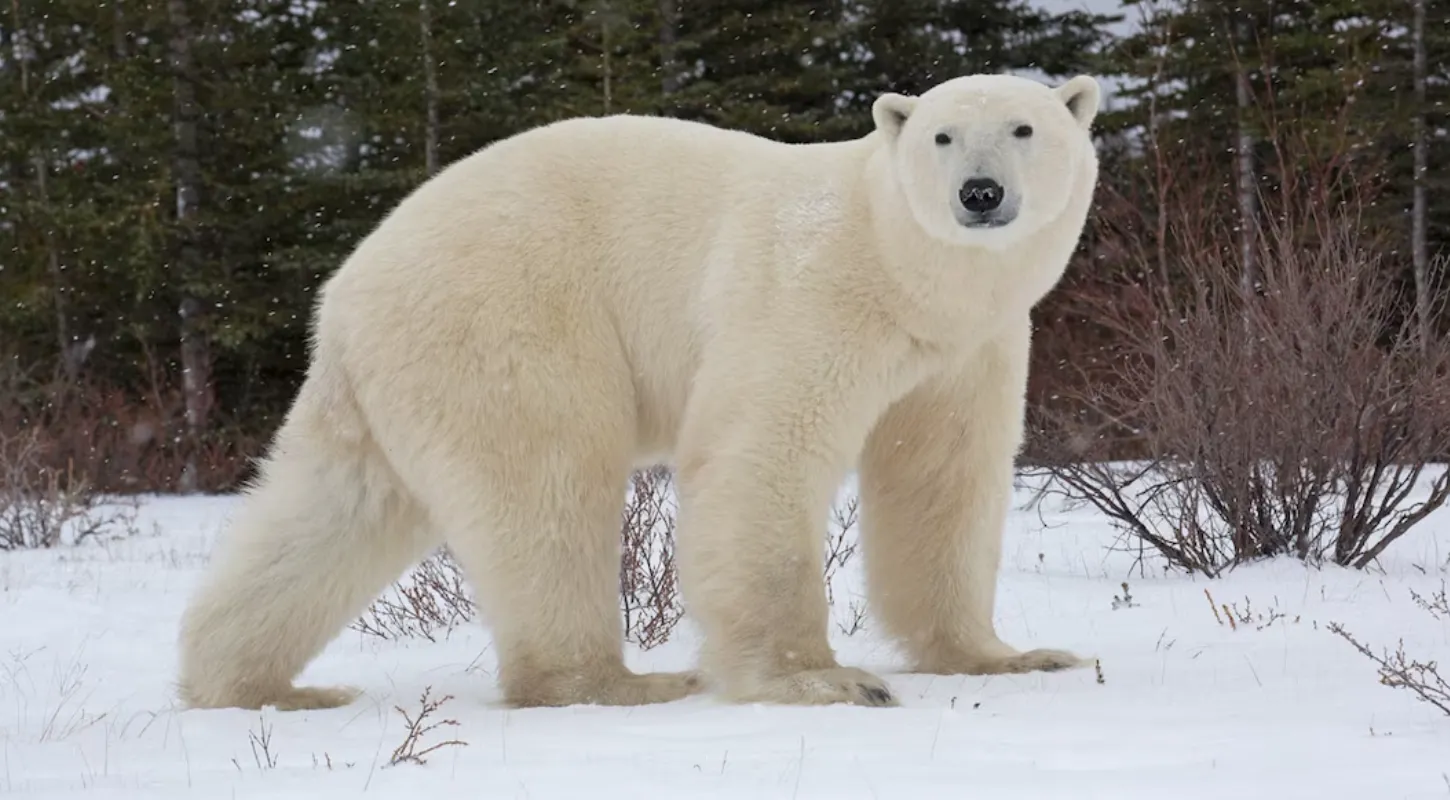
The polar bear’s life cycle is one of the most fascinating natural narratives on Earth. These majestic Arctic mammals—recognized for their striking white fur and powerful build—navigate one of the harshest environments on the planet. From tiny cubs hidden in dens to fully grown adults capable of swimming miles of icy waters, polar bears follow a life journey shaped by evolution, survival instincts, and an intricate reliance on sea ice.
In this article, you will uncover detailed, up-to-date information about every stage of a polar bear’s life, their scientific history, evolutionary roots, feeding behavior, reproduction, ecological role, and the urgent conservation challenges they face. Whether you are a student, animal lover, or nature enthusiast, this guide brings together deep, fact‑based insight designed for easy reading and improved SEO discovery.
3 Quick Answers About Polar Bear Life Cycle
Q: What is the average lifespan of a polar bear in the wild?
A: In the wild, polar bears typically live between 15 and 18 years, though some individuals can reach their early 30s.
Q: When are polar bear cubs born?
A: Polar bear cubs are usually born in late December to January inside snow dens, where the mother gives birth and nurses them.
Q: Do polar bears hibernate?
A: Unlike many mammals, adult polar bears do not enter full hibernation, but pregnant females do den and hibernate during winter while raising newborn cubs.
Quick Life Cycle Table
| Stage | Age / Condition | Key Activities |
| Birth | Newborn cubs (~0‑2 months) | Born blind and tiny, inside the mother’s den |
| Cub Stage | 2–24 months | Nursing & learning survival skills |
| Juvenile | 2–5 years | Independent hunting, learning territory |
| Adulthood | 5–15+ years | Full size, reproductive age |
| Senior | 15+ years | Slower metabolism, survival challenges |
The History of Their Scientific Naming
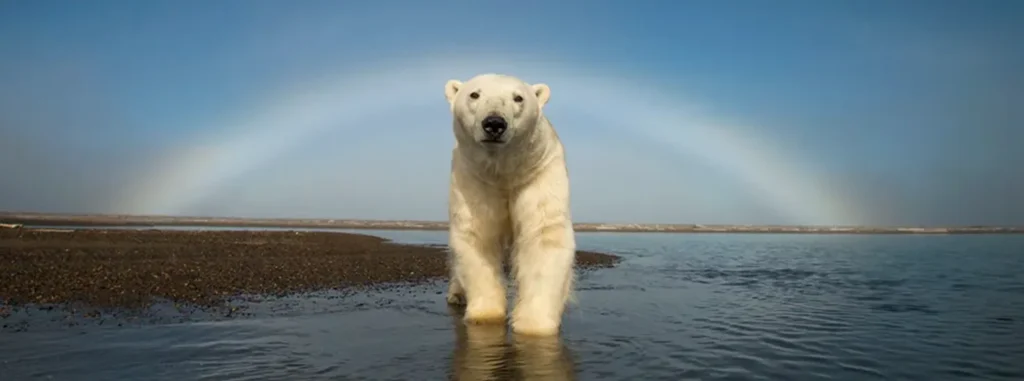
The polar bear bears an interesting scientific name: Ursus maritimus. This Latin term translates roughly to “sea bear,” reflecting its intimate relationship with the sea and sea ice.
Scientists first identified and named this species in the 18th century, when naturalists were classifying animals based on physical traits. The name Ursus places the polar bear in the same genus as other bears, such as brown and black bears; maritimus highlights its Arctic sea-ice habitat.
Important points about their scientific naming:
- The polar bear was officially classified by Pieter Boddaert in 1785.
- Its classification remained debated for decades because of its similar appearance to other bears.
- Genetic studies later confirmed polar bears as distinct but closely related to brown bears.
Over time, scientific naming has become vital in understanding the bear’s evolution, ecology, and conservation needs.
Their Evolution and Their Origin
The evolutionary origin of the polar bear is a story of extreme adaptation. Although physically distinctive today, polar bears share a close evolutionary ancestor with the brown bear (Ursus arctos). Genetic evidence suggests the two species diverged around 400,000 to 500,000 years ago, possibly earlier.
As Ice Age glaciers expanded, ancestral brown bears began to move northward into colder regions. Over generations, those populations adapted more and more to life on the sea ice. Their white fur (for camouflage), exceptional swimming ability, enlarged front paws, and insulated bodies all developed as survival traits in the frozen Arctic.
Key aspects of their evolution:
- Polar bears developed specialized fat‑rich diets focused on seals, unlike most brown bears.
- Their fur and skin adaptations increased insulation against temperatures often far below freezing.
- They evolved a more elongated body shape and larger size to store energy and swim long distances.
This evolutionary trend demonstrates how environmental pressures can shape anatomy, behavior, and lifestyle. Unlike many species that became extinct during glacial and interglacial cycles, polar bears thrived by exploiting a unique ecological niche—predation on marine mammals through sea‑ice platforms.
Their Main Food and Its Collection Process
Polar bears are among the most specialized carnivores. Their main food source is seals, especially ringed seals and bearded seals. These animals provide the high‑fat content necessary for polar bears to thrive in freezing Arctic conditions.
Polar Bear Diet
- Seals: Primary prey due to high-calorie and fat content.
- Walruses and Whale Carcasses: Opportunistic source when available.
- Birds and Eggs: Supplemental food, especially for juveniles.
Food Collection Process
- Stalking at Seal Breathing Holes
- Polar bears use their acute sense of smell to locate breathing holes in sea ice where seals surface. They patiently wait, sometimes for hours, and strike when a seal appears.
- Ice Edge Hunting
- Bears patrol the edges of sea ice where seals haul out to rest. Using stealth, they approach before launching a quick attack.
- Swimming and Diving
- Polar bears are excellent swimmers and can pursue seals underwater. Their large front paws help propel them through miles of icy ocean.
- Scavenging
- When available, they feed on dead whales or other marine mammals that have died after storms or from natural causes.
Polar bears require high‑fat meals to fuel their metabolism, especially because obtaining prey is physically demanding and energy‑intensive.
Their Life Cycle and Ability to Survive in Nature
Life Stages of Polar Bears
1. Birth and Den Life
Polar bears are born in snow dens built by pregnant females. Inside, cubs remain protected while they grow rapidly.
2. Emergence and Learning
Once outside the den (usually around two months old), cubs follow their mother to learn hunting, swimming, and navigation skills.
3. Juvenile Independence
After about two years, cubs separate from their mother and begin independent life, often struggling to find food while solidifying survival techniques.
4. Adult Life
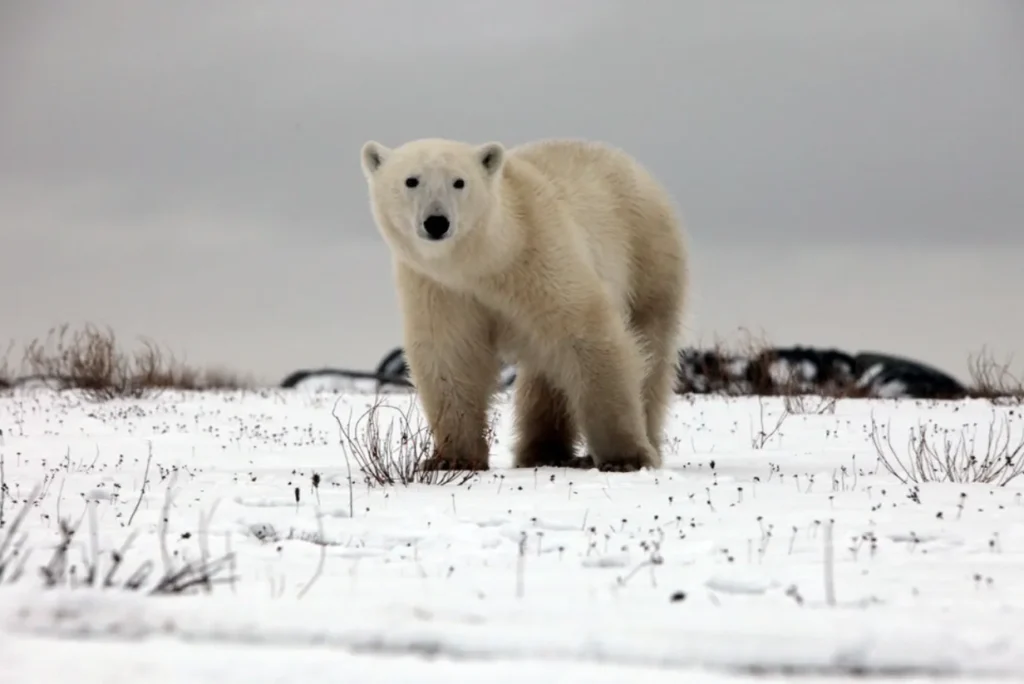
Adult polar bears roam sea ice, hunt for seals, and may travel vast distances to find food or mates. By age five, most are sexually mature.
Survival Abilities in Harsh Arctic Conditions
Polar bears possess extraordinary survival mechanisms:
- Dense Fur & Fat Layers: Insulation from temperatures as low as –40°F.
- Large Paws: Provide balance on thin ice and strength for swimming.
- Keen Smell: Detect prey nearly a mile away or buried under snow.
- Swimming Endurance: Capable of swimming over 60 miles without rest.
Their life cycle is tightly linked to sea ice conditions. A loss of ice directly threatens their ability to hunt and survive.
Their Reproductive Process and Raising Their Children
Polar bear reproduction is unique and tailored to Arctic life.
Mating System
- Timing: Mating typically takes place from April to June.
- Delayed Implantation: After mating, the fertilized egg does not immediately implant; this delay ensures birth aligns with winter denning.
Pregnancy and Denning
- Pregnant females prepare dens in the fall.
- Cubs are born from December to January, usually in litters of 1–3 (often 2).
Caring for Cubs
- Cubs are born blind and tiny, weighing less than 1 kg.
- They nurse on rich milk, gaining strength and fat rapidly.
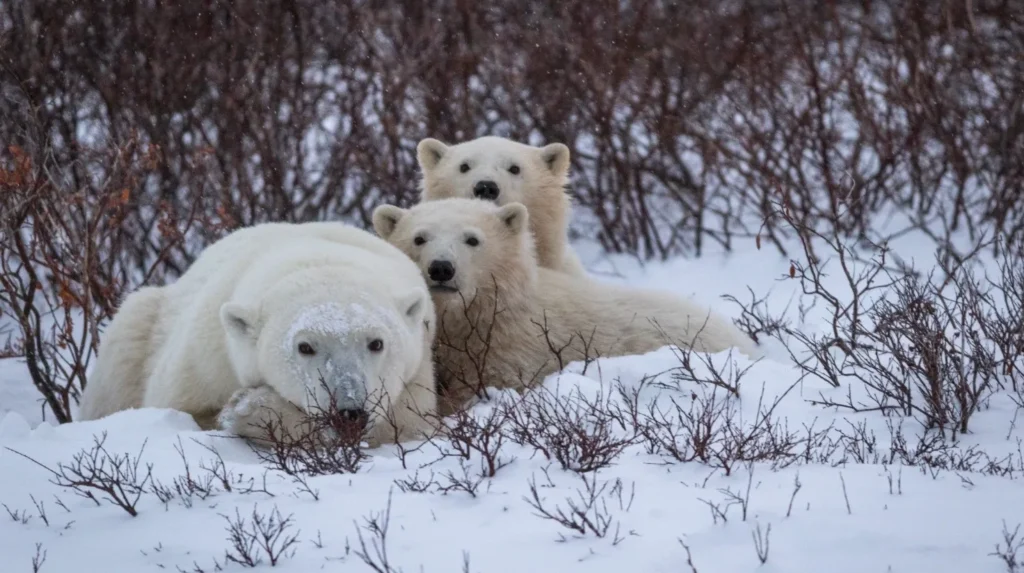
- The mother protects and teaches them for about two years.
Separation and Maturity
- After two years, cubs become independent.
- Male polar bears do not participate in raising cubs.
The survival of young polar bears heavily depends on the mother’s hunting ability and ice conditions.
Importance of Polar Bears in the Ecosystem
Ecological Role of Polar Bears
1. Apex Predators:
Polar bears sit at the top of the food chain in the Arctic. Their hunting regulates seal populations and prevents overpopulation of prey species.
2. Nutrient Distribution:
When polar bears eat seals, the remains often become food for scavengers such as Arctic foxes and birds, dispersing nutrients throughout the ecosystem.
3. Indicator Species:
Polar bears reflect the health of the Arctic environment. Declines in their population signal broader ecosystem disruptions, such as sea ice loss.
Impact on Biodiversity
Polar bears help create balance:
- Control seal numbers.
- Support scavenger species.
- Influence prey behavior and migration.
Their presence helps sustain a functioning Arctic marine system shaped by predator‑prey dynamics.
Important Things That You Need to Know (LSI Insights)
This section covers key facts related to polar bears, including polar bear drawing, polar bear size, baby polar bear, polar bear vs grizzly bear, and polar bear weight—all crucial LSI keywords often searched together.
Facts You Should Know About Polar Bears
- Polar Bear Size: Adult males can reach lengths of 7 to 10 feet and shoulder heights exceeding 4 feet. Females are smaller but still powerful predators.
- Polar Bear Weight: Adult males typically weigh 900–1,600 pounds, while females weigh 330–650 pounds, depending on food availability.
- Baby Polar Bear Growth: Cubs are born extremely small but can grow to weigh over 100 pounds by age two, thanks to high‑fat diets and maternal care.
- Polar Bear vs Grizzly Bear: Although closely related genetically, polar bears are mainly marine hunters on sea ice, while grizzly bears are land‑based omnivores. They occasionally interbreed where their ranges meet.
- Polar Bear Drawing Tips: Artists often highlight their thick fur, black skin beneath the white coat, large paws, and rounded ears to achieve realistic depictions.
Understanding these aspects deepens understanding of how polar bears live, grow, and interact with their environment.
What to Do to Protect Them in Nature and Save the System for the Future
Polar bears face unprecedented threats from climate change and habitat loss. Here are important actions that help protect them and sustain the Arctic system:
- Reduce Carbon Emissions: Cut greenhouse gases to slow Arctic warming and preserve sea ice.
- Protect Habitat: Support policies that designate protected marine zones in critical polar bear regions.
- Responsible Consumption: Choose sustainable products to reduce carbon footprint.
- Support Conservation Groups: Donate or volunteer to organizations protecting Arctic wildlife.
- Educate Others: Raise awareness about polar bear threats and climate change solutions.
These actions, when taken globally and individually, help conserve not only polar bears but the entire Arctic ecosystem.
Frequently Asked Questions (FAQs)
Q: What is the average size of a polar bear?
A: Adult males can grow up to 10 feet long and weigh over 1,500 pounds, while females are smaller.
Q: Do polar bears hibernate like other bears?
A: No. Most adult polar bears remain active year‑round. Only pregnant females enter dens for a form of hibernation.
Q: How many cubs does a polar bear usually have?
A: A polar bear typically gives birth to 1–3 cubs, with two being the most common.
Q: Can polar bears swim long distances?
A: Yes. They are excellent swimmers and can travel over 60 miles across open water.
Q: What do polar bears eat besides seals?
A: They may eat walrus, whale carcasses, birds, and eggs when seals are scarce.
Q: Are polar bears endangered?
A: They are considered vulnerable due to shrinking sea ice from climate change.
Q: How long do polar bears live in the wild?
A: On average, about 15–18 years, though some may reach their early 30s.
Q: How can human activity affect polar bears?
A: Pollution, fossil fuel extraction, and global warming disrupt their habitat and access to prey.
Conclusion
The polar bear’s life cycle reflects a remarkable journey of adaptation, survival, and environmental dependence. From vulnerable cubs born in snow dens to apex predators navigating an icy realm, polar bears thrive through remarkable physical and behavioral traits. Their existence is closely tied to sea ice—an element under severe threat due to climate change.
With rising global temperatures, polar bears face habitat loss, reduced hunting opportunities, and declining populations. Understanding their life cycle, feeding strategies, reproductive behaviors, and ecological importance highlights why they deserve urgent conservation attention. Protecting polar bears means safeguarding the Arctic ecosystem as a whole and advocating for sustainable practices that slow climate change.
As we learn more about these incredible creatures and their world, we also gain insight into the fragile state of nature itself—and our role in preserving it.
Also Read: life cycle of a pumpkin