The mantis life cycle intrigues nature lovers, scientists, and gardeners alike because of its unique stages and survival strategies. Mantises, including the well‑known praying mantis, undergo distinctive developmental phases that contribute to their role as efficient predators in ecosystems. Understanding how they grow, feed, and reproduce not only satisfies curiosity but also sheds light on why these insects are vital to pest control and biodiversity.
Here are three quick answers to the most common questions about mantises:
Q: How long is the mantis’ life cycle?
A: The mantis life cycle typically ranges from several months to a year, depending on species, environment, and climate.
Q: Do mantises bite humans?
A: Mantises rarely bite humans. While they can pinch if threatened, they are not venomous and generally avoid human contact.
Q: What do mantises eat?
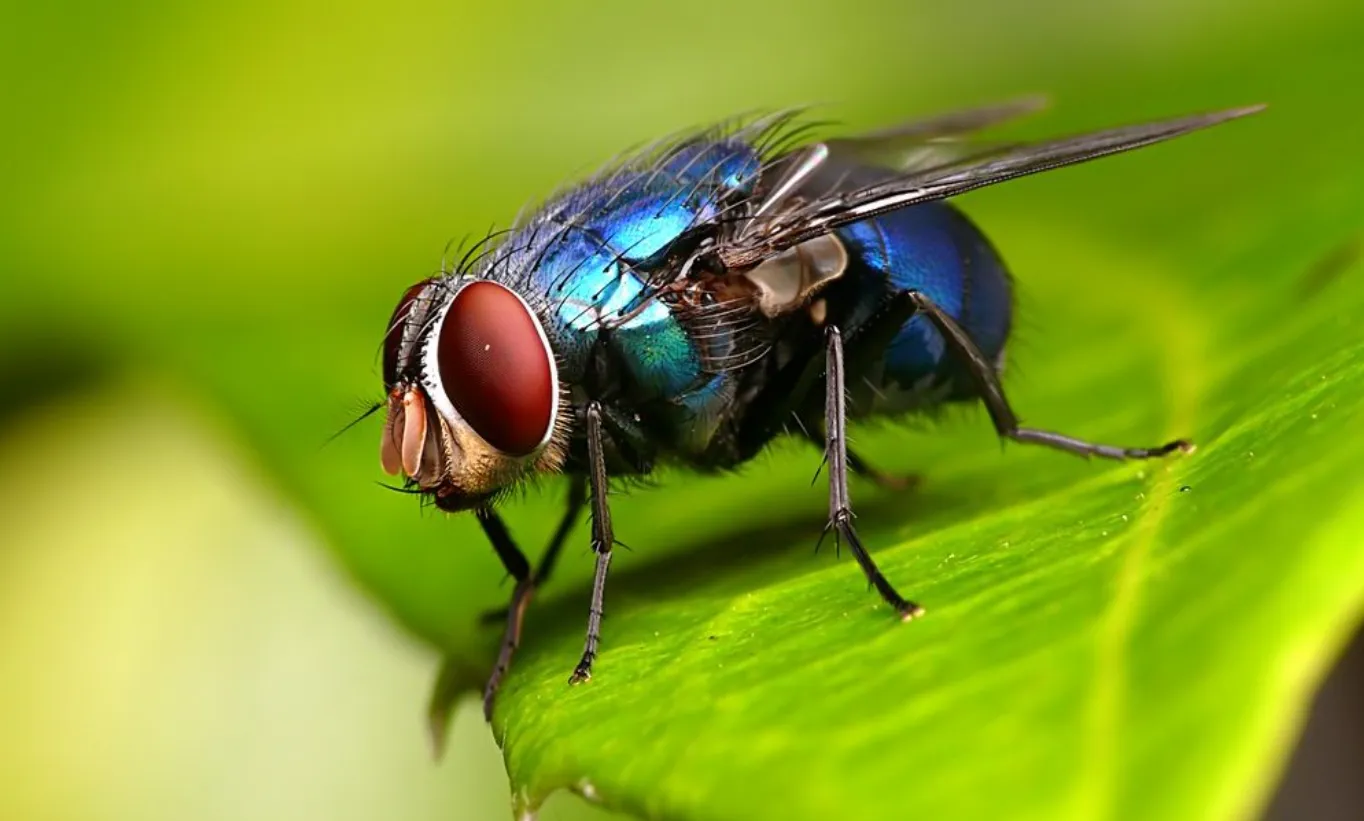
A: Mantises are carnivorous and feed on insects such as flies, crickets, and even small vertebrates in rare cases. Their powerful forelegs help them catch prey.
In this comprehensive guide, we’ll explore each aspect of the mantis life cycle, their scientific history, evolutionary origins, feeding habits, reproduction, ecological importance, and how we can protect them for future generations.
Quick Life Cycle Table
| Stage | Duration | Key Features |
| Egg Stage (ootheca) | Weeks to Months | Egg mass protects developing embryos |
| Nymph Stage | 1–3 Months | Tiny mantises emerge resembling miniature adults |
| Molting Phases | Several | Shedding the exoskeleton to grow larger |
| Adult Stage | 3–6 Months | Fully mature, capable of mating and reproduction |
The History of Their Scientific Naming
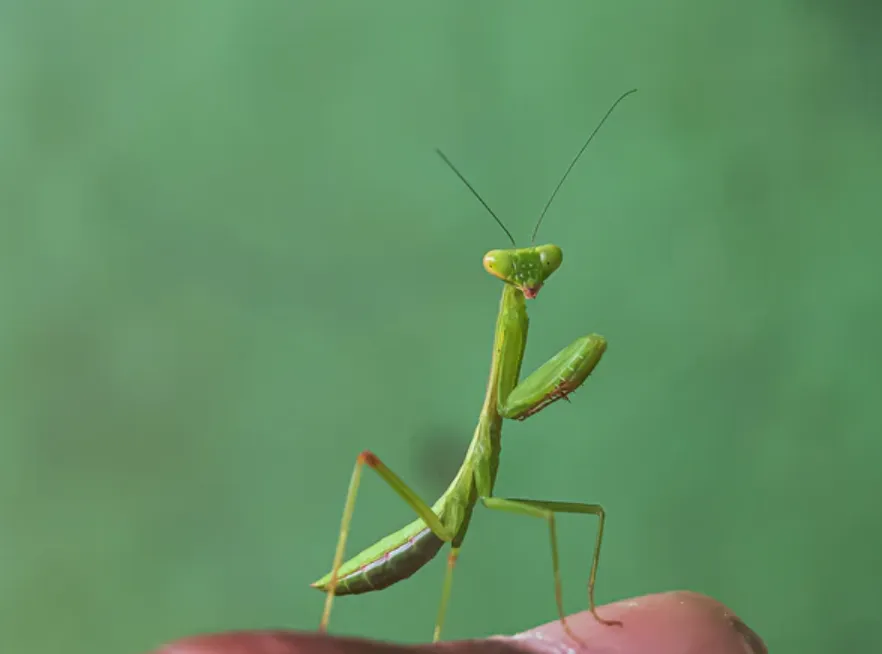
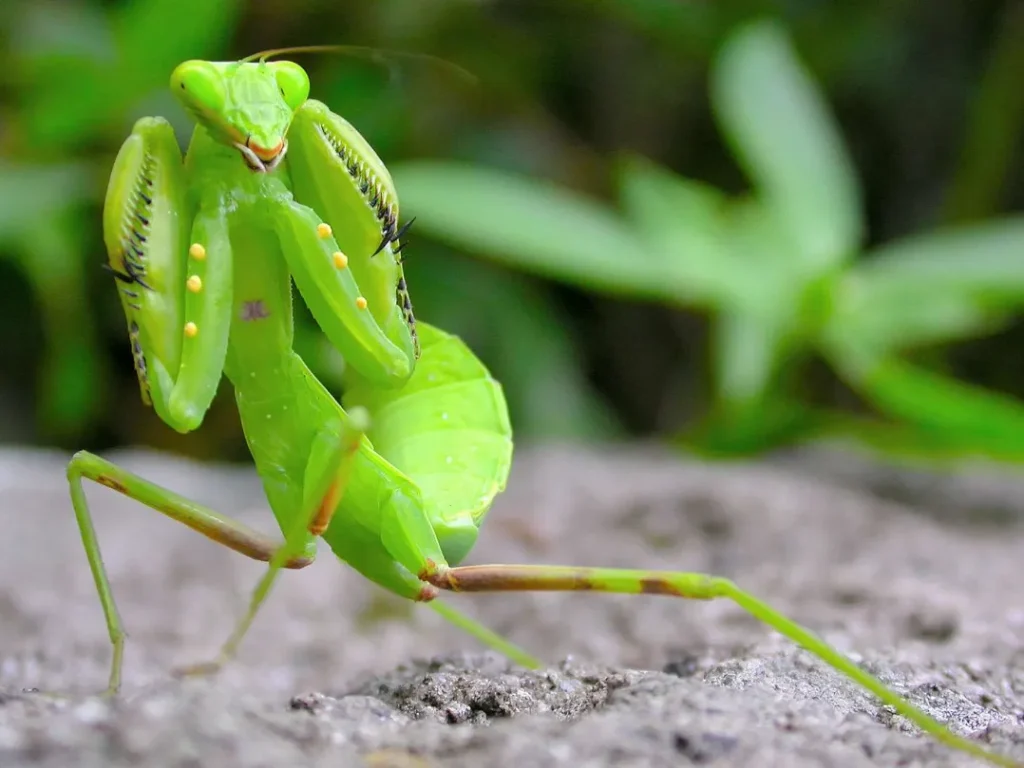
The name “mantis” derives from the Greek word mantis, meaning “prophet” or “seer“—a reference to the insect’s posture, as though it were “praying.” The term praying mantis came into common use during the 18th century because of the insect’s distinctive, folded forelegs that resemble hands clasped in prayer.
In taxonomy, mantises belong to the order Mantodea, which includes more than 2,400 known species globally. Scientists first classified mantises in the late 1700s, as entomology was developing as a scientific discipline.
Points in Naming History:
- Carl Linnaeus included the earliest mantis species in his early classification system.
- Further, entomologists refined mantis taxonomy as more species were discovered across different continents.
- Common names like orchid mantis or leaf mantis reflect physical traits used to attract prey or to camouflage.
- Over time, mantises have been placed in various families under Mantodea as understanding of their anatomy improved.
The evolution of mantis naming mirrors the growth of scientific knowledge, blending morphology, behavior, and ecological role into modern classification.
Their Evolution and Their Origin
The evolution of mantises dates back around 135 million years, placing their origin in the mid‑Cretaceous period. Fossils indicate that ancestral mantises shared similarities with modern mantises but had primitive wing structures. Today’s Mantodea order has been shaped by adaptation to diverse environments, from tropical rainforests to deserts.
Mantises evolved specialized predatory adaptations that set them apart:
- Raptorial forelegs with spines evolved to grasp and hold struggling prey securely.
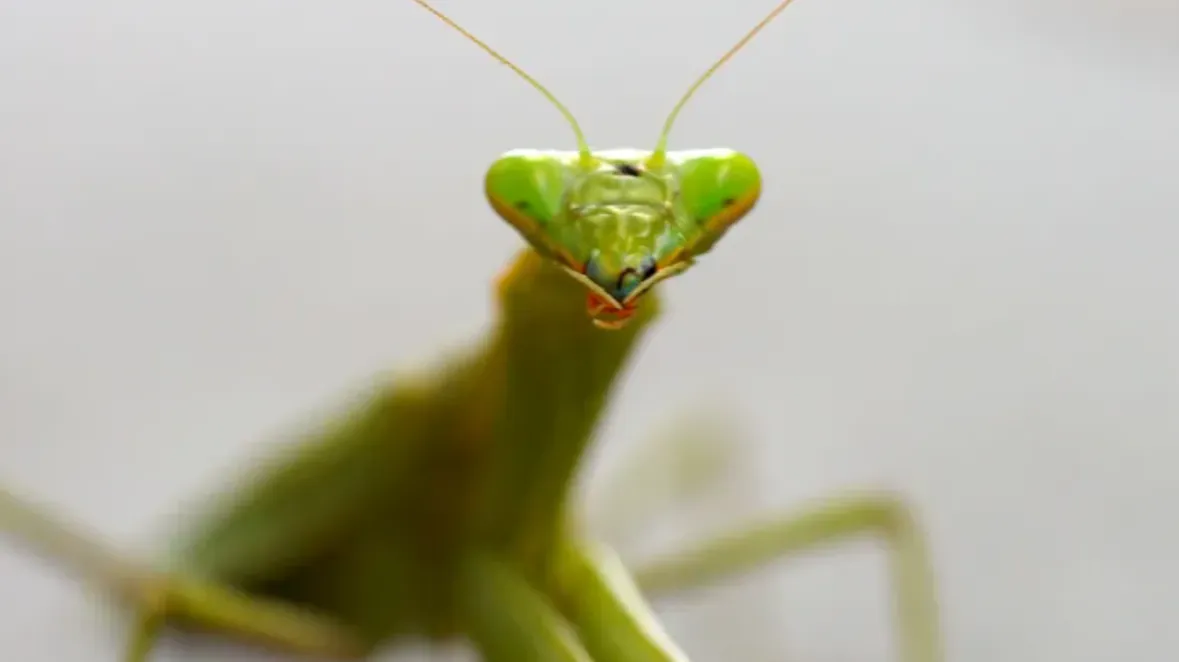
- Triangular heads with large eyes give mantises exceptional vision for tracking movement.
- Camouflage patterns have developed in many species, such as the orchid mantis, which mimics flowers to ambush prey.
Origin and Migration:
Scientists believe mantises originated in ancient tropical regions with high insect diversity, providing abundant food sources. Over millions of years, they migrated and adapted to temperate and even arid ecosystems.
Survival Advantages Shaped by Evolution:
- Ability to remain motionless for long periods, waiting for prey.
- Rapid strike resolution when capturing food.
- Diverse camouflage strategies—green for foliage, brown for bark, or flower‑like forms (e.g., orchid mantis).
Today, mantises occupy ecological niches on every continent except Antarctica.
Their Main Food and Its Collection Process
Mantises are carnivorous predators. Their diet primarily consists of live insects, but larger species may target small amphibians, reptiles, or even birds in rare cases. Their hunting process is precise, fast, and highly evolved.
Main Food Sources
- Flies, mosquitoes, moths
- Beetles, crickets, grasshoppers
- Spiders and caterpillars
- Small vertebrates (in some large species)
Food Collection Process
- Detection:
- Mantises rely on excellent binocular vision. Their large compound eyes detect movement up to 60 feet away.
- Stalking:
- Mantises remain nearly motionless to avoid detection. They use slow, calculated movements to close the distance.
- Capture:
- Once within range, mantises strike in a fraction of a second with their spiked front legs, gripping the prey.
- Consumption:
- Mantises begin eating while the prey is still alive, often starting with the head to immobilize it.
- Adaptive Hunting:
- Some species, like the orchid mantis, use mimicry to attract pollinators within reach.
Mantises play a crucial role as natural pest control agents due to their broad prey range.
Their Life Cycle and Ability to Survive in Nature
Egg to Adult: Stages of Survival
The mantis life cycle contains multiple stages, each with survival challenges and adaptations that increase resilience in nature.
Egg Stage
The female mantis secretes a foamy substance that hardens into the ootheca, a protective structure. This structure shields eggs during extreme weather and predation. In temperate zones, oothecae overwinter on twigs or stems.
Nymph Stage
Once hatched, nymphs resemble adults but lack wings and reproductive organs. They molt multiple times to grow. During this stage, camouflage and quick movement help them evade predators.
Molting and Growth
Mantises undergo ecdysis (molting), shedding their exoskeletons to grow in size. This process happens several times until adulthood. Each molt is a vulnerable period that requires safe cover.
Adult Adaptations
Adults have fully developed wings (in most species) and heightened sensory abilities. Their survival depends on:
- Efficient hunting skills
- Ability to blend into surroundings
- Rapid response to stimuli
Despite their predatory nature, mantises must avoid birds, bats, and larger insects that prey on them.
Their Reproductive Process and Raising Their Children
Mantises exhibit complex reproductive behavior:
Mating Rituals
- Males approach carefully to avoid being eaten, as sexual cannibalism occurs in some species.
- Some mantises mate multiple times during adulthood.
Egg Production
- Females produce one or more egg masses (oothecae) after mating.
- Each ootheca can contain dozens to hundreds of eggs.
Parental Investment
Unlike mammals or birds, mantises do not care for their young after laying eggs. Their parental role ends once the ootheca is deposited on secure vegetation.
Survival of Offspring
- Nymphs emerge fully capable of hunting small prey.
- They often disperse quickly to reduce competition and predation.
The reproductive phase is critical to the sustainability of the mantis population and ecological balance.
Importance of Them in This Ecosystem
Role in Nature’s Balance
Natural Pest Control
Mantises consume a wide range of insects that can damage crops and gardens. Their predatory habits help control pest populations without the use of chemical pesticides.
Biodiversity Support
As both predator and prey, mantises fit into various food webs:
- They keep populations of harmful insects in check.
- Birds and reptiles rely on mantises as a food source.
Indicator Species
Healthy mantis populations indicate robust ecosystems with balanced insect diversity.
Cultural and Scientific Value
Humans have studied mantises for insights into predation, vision, and camouflage. Their unique appearance also inspires art, symbolism, and mythology worldwide.
Important Things That You Need to Know
This section addresses key LSI keywords, including mantis, orchid mantis, mantis shrimp punch, praying mantis eggs, praying mantis meaning, and do praying mantis bite.
Mantis vs. Mantish Shrimp
Though both are called “mantis,” the mantis shrimp is unrelated to the mantis. The mantis shrimp is a marine crustacean known for its powerful punch capable of cracking shells. This powerful strike is a distinctive trait separate from mantises on land.
Orchid Mantis – A Master of Deception
The orchid mantis is famous for mimicking flowers. Its pink-and-white body lures pollinators, enhancing its ability to hunt without moving.
Praying Mantis Eggs
Praying mantis eggs are encased in foamy oothecae. These hard casings protect during winter and hatch once conditions are favorable.
Do Praying Mantis Bite?
While mantises can bite if handled roughly, they do not possess venom or aggression toward humans.
Praying Mantis Meaning
Many cultures view the praying mantis as a symbol of patience, mindfulness, and stillness because of its serene stance.
What to Do to Protect Them in Nature and Save the System for the Future
- Preserve Natural Habitat: Protect meadows, gardens, and forests where mantises thrive.
- Avoid Pesticides: Use natural pest control to prevent harm to mantises and other insects.
- Plant Native Flora: Provide cover and food sources for both mantises and their prey.
- Educate Communities: Raise awareness about mantises’ ecological role.
- Support Conservation: Participate in or donate to insect habitat protection programs.
Frequently Asked Questions (FAQs)
Q: What is the life cycle of a mantis?
A: The mantis life cycle includes egg (ootheca), nymph, multiple molting stages, and adult.
Q: How long do mantises live?
A: Mantises usually live 6–12 months, depending on species and environment.
Q: Do mantises bite humans?
A: Rarely. They may pinch, but they are not harmful to people.
Q: Can mantises fly?
A: Most adult mantises can fly, especially males, but not all species.
Q: What do mantises eat?
A: They eat insects like flies, grasshoppers, and crickets.
Q: Are mantises beneficial for gardens?
A: Yes, they help control pests naturally.
Q: What is an ootheca?
A: An ootheca is a protective egg case produced by a female mantis.
Q: Why are mantises called praying mantises?
A: Their forelegs fold in a way that looks like they are praying, inspiring the name.
Conclusion
The mantis life cycle is a fascinating journey from egg to adult, revealing remarkable adaptations that support survival, predation, and reproduction. Mantises have evolved to become efficient hunters and vital contributors to ecosystem balance.
By understanding their life stages, feeding techniques, reproductive strategies, and ecological importance, we gain insight into why these insects deserve protection and appreciation. Through conservation efforts and informed practices, we can ensure that mantises continue playing their essential role in the environment for generations to come.
Also Read: life of butterfly cycle