The life cycle of a cockroach is one of the most fascinating yet concerning biological processes in the insect world. Cockroaches are among the oldest living creatures on Earth, surviving for over 300 million years. Their resilience, rapid reproduction, and adaptability make them both a subject of scientific interest and a common household pest.
Understanding how Cockroaches grow—from eggs to fully mature adults—can help homeowners, researchers, and pest control experts better manage infestations and appreciate their ecological role.
Cockroaches such as the German cockroach and American cockroach are especially notorious for their rapid breeding cycles. A single female can produce hundreds of offspring in her lifetime, making early intervention crucial for effective cockroach control.
Quick Answers (Most Common Questions)
1. How long is the life cycle of a cockroach?
The life cycle typically lasts between 3 months and 2 years, depending on the species and environmental conditions.
2. How fast do cockroaches reproduce?
Cockroaches reproduce extremely quickly. A single female can produce up to 300–400 baby cockroach offspring in her lifetime.
3. What are the stages of a cockroach’s life cycle?
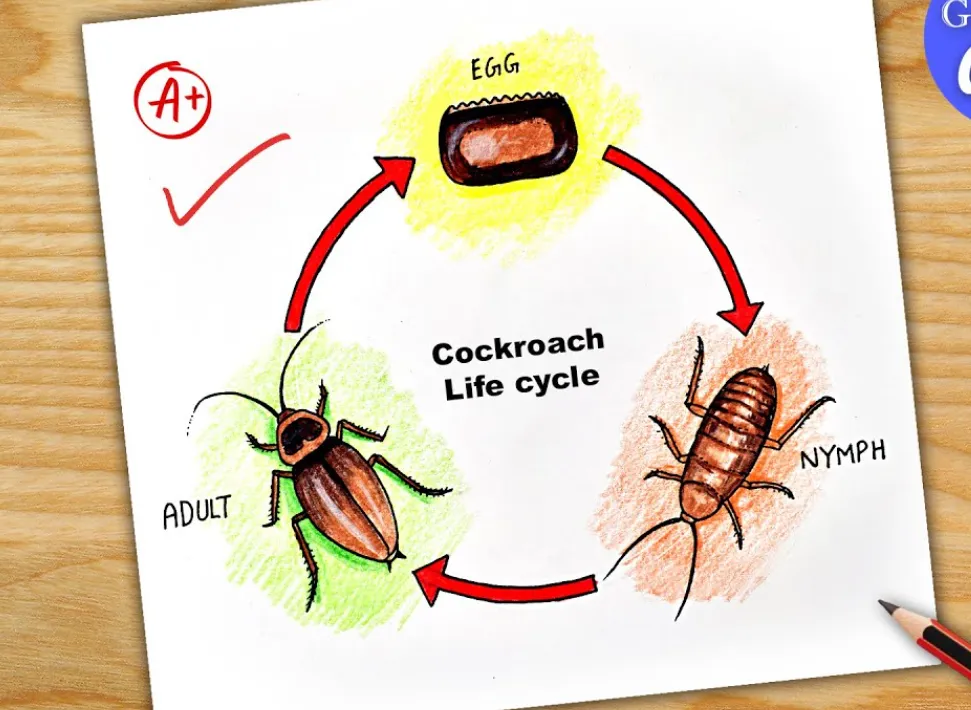
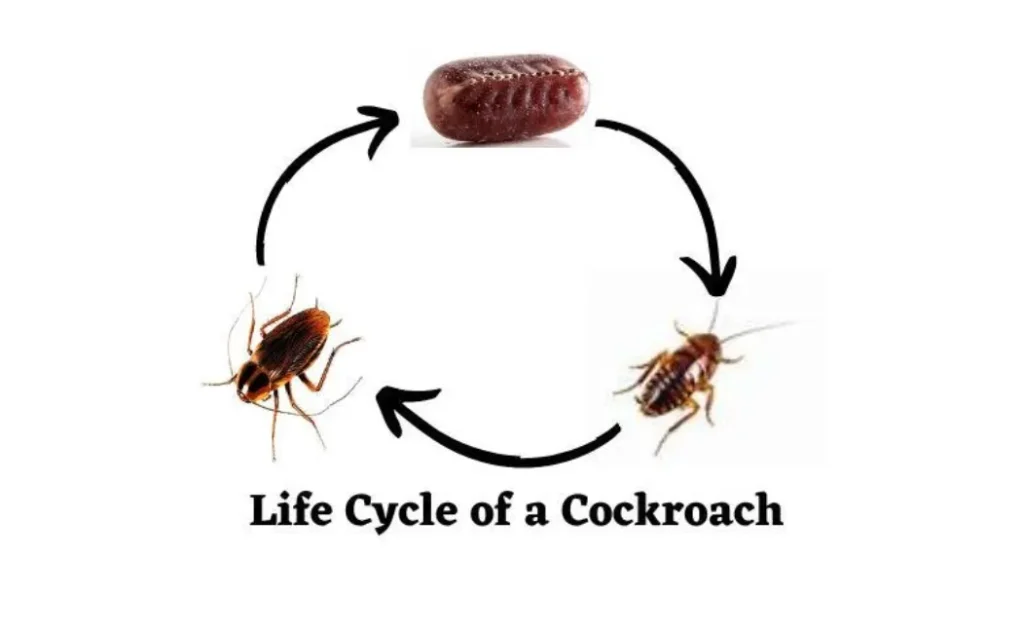
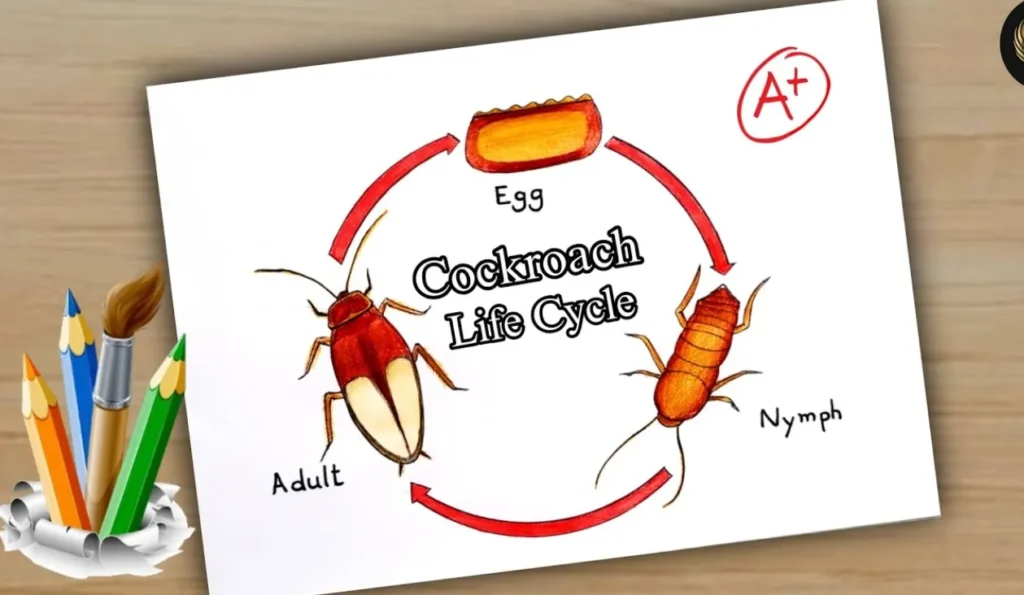
The life cycle has three stages: egg (ootheca), nymph, and adult.
Quick Life Cycle Table
| Stage | Description | Duration (Approx.) |
| Egg (Ootheca) | Egg case containing multiple embryos | 1–2 months |
| Nymph | Immature cockroach (resembles a small adult) | 1–12 months |
| Adult | Fully developed, capable of reproduction | 6–24 months |
The History Of Their Scientific Naming
The scientific classification of cockroaches has evolved over centuries as researchers gained a deeper understanding of insect taxonomy.
- Cockroaches belong to the order Blattodea, which also includes termites.
- The term “Blattodea” originates from the Greek word blatta, meaning “an insect that shuns light.”
- Early scientists categorised cockroaches based on their flattened bodies and nocturnal behaviour.
- The German cockroach (Blattella germanica) was first described in the 18th century and is among the most studied species due to its household presence.
- The American cockroach (Periplaneta americana), despite its name, is believed to have originated in Africa and spread globally through trade routes.
- Modern classification uses genetic studies to understand relationships among species better.
- Cockroaches are now recognised as closely related to termites, sharing similar gut bacteria and social behaviours.
This scientific evolution has helped researchers better understand cockroach adaptability and survival mechanisms.
Their Evolution And Their Origin
Cockroaches are among the most ancient insects, with fossil evidence dating back over 300 million years to the Carboniferous period. This makes them older than dinosaurs, highlighting their incredible evolutionary success.
Initially, prehistoric cockroaches were larger and had different wing structures compared to modern species. Over time, they adapted to changing climates, developing traits that allowed them to survive mass extinctions.
Their origin is believed to trace back to tropical regions where warm, humid environments supported their growth. As continents shifted and ecosystems evolved, cockroaches spread across the globe.
One of the key evolutionary advantages of cockroaches is their omnivorous diet. This flexibility allows them to consume almost anything—from organic waste to food scraps—ensuring survival even in harsh conditions.
Additionally, cockroaches developed:
- Strong exoskeletons for protection
- Rapid reproductive cycles
- Resistance to environmental stress
- Advanced sensory systems (antennae)
Their ability to adapt to urban environments has made species like the German cockroach dominant in human habitats. Meanwhile, the American cockroach thrives in sewers and damp areas.
This long evolutionary journey explains why cockroaches remain one of the most resilient species on Earth today.
Their Main Food and Its Collection Process
Cockroaches are opportunistic feeders, meaning they eat almost anything available to them. Their diet plays a crucial role in their survival and rapid population growth.
Main Food Sources
- Decaying organic matter
- Food scraps and leftovers
- Paper, glue, and cardboard
- Dead insects
- Human food (sugar, grease, starch)
- Even cockroach poop in extreme conditions
Food Collection Process
- Nocturnal Activity: Cockroaches search for food at night to avoid predators.
- Use of Antennae: They rely heavily on their antennae to detect food sources.
- Chemical Signals: Cockroaches leave scent trails to guide others to food.
- Scavenging Behaviour: They explore kitchens, garbage bins, and drains.
- Group Feeding: Once food is found, others quickly join through pheromone signals.
Their ability to consume diverse materials makes them difficult to eliminate. This also contributes to their role as decomposers in ecosystems.
Their Life Cycle and Ability to Survive in Nature
Egg Stage (Ootheca)
The female cockroach produces an egg case, or ootheca, that contains multiple eggs. Depending on the species, one case may hold 10–50 eggs.
Nymph Stage
After hatching, baby cockroach nymphs emerge. They resemble adults but lack wings. Nymphs moult several times as they grow.
Adult Stage
Fully grown cockroaches develop wings (in most species) and reproductive organs. They can now produce offspring and continue the cycle.
Survival Abilities
- Can live weeks without food
- Can survive days without a head
- Thrive in extreme environments
- Resistant to many pesticides
These traits make cockroaches one of the hardest pests to control in both natural and urban environments.
Important Things That You Need To Know
Cockroaches are more than just pests—they are complex organisms with unique biological traits. Here are key insights related to important LSI keywords.
The cockroach is a highly adaptable insect found worldwide. Among the most common species is the German cockroach, known for its rapid reproduction and preference for indoor environments such as kitchens and bathrooms.
Another major species is the American cockroach, which is larger and often found in basements, sewers, and drains. Both species are notorious for spreading bacteria and contaminating food sources.
A baby cockroach (nymph) is small, wingless, and often mistaken for a different species. However, they grow quickly and contribute significantly to infestations.
One major concern is cockroach poop, which appears as small black droppings. These droppings can trigger allergies and asthma, especially in children.
Effective cockroach control requires a combination of sanitation, sealing entry points, and using targeted treatments. Understanding their life cycle is essential to breaking the reproductive cycle.
By recognising these factors, individuals can better manage infestations and maintain healthier living environments.
Their Reproductive Process and Raising Their Children
Cockroaches reproduce rapidly, making them one of the most persistent pests.
Reproductive Process
- The female produces an ootheca (egg case)
- Each ootheca contains multiple eggs
- Some species carry eggs until hatching
- Others deposit them in hidden areas
Raising Their Young
- Minimal parental care
- Nymphs are independent after hatching
- They rely on instinct to find food and shelter
- Rapid growth through moulting stages
Key Characteristics
- High survival rate of offspring
- Continuous reproduction cycle
- The population can grow exponentially
This efficient reproductive system is why infestations can quickly get out of control.
Importance of Them in this Ecosystem
Decomposition Role
Cockroaches help break down organic matter, recycling nutrients back into the soil.
Food Chain Contribution
They serve as food for birds, reptiles, and small mammals.
Soil Health
Their activity improves soil fertility by decomposing waste materials.
Microbial Balance
Cockroaches host bacteria that aid in digestion and nutrient cycling.
Although cockroaches are pests in homes, they play an essential ecological role in maintaining the balance of the environment.
What to do to protect them in nature and save the system for the future
While controlling cockroaches indoors is important, protecting their role in nature is equally vital.
- Avoid excessive pesticide use in natural environments
- Maintain ecological balance by preserving habitats
- Use eco-friendly pest control methods
- Educate people about their ecological importance
- Promote waste management to reduce harmful exposure
- Support biodiversity conservation efforts
- Encourage scientific research on beneficial roles
- Avoid destroying natural ecosystems unnecessarily
Balancing control and conservation ensures a sustainable future.
Frequently Asked Questions (FAQs)
1. What are the stages of a cockroach’s life cycle?
Egg, nymph, and adult.
2. How many eggs does a cockroach lay?
Up to 50 eggs per ootheca, depending on species.
3. How long do cockroaches live?
Between 3 months and 2 years.
4. Where do cockroaches lay eggs?
In hidden, warm, and moist areas.
5. Are baby cockroaches dangerous?
Yes, they can spread bacteria and contaminate food.
6. What attracts cockroaches?
Food, moisture, and warmth.
7. How can I identify cockroach infestation?
Look for droppings, odour, and shed skins.
8. What is the best cockroach control method?
Integrated pest management, including sanitation and targeted treatments.
Conclusion
The life cycle of a cockroach is a remarkable example of survival, adaptability, and rapid reproduction. From egg to nymph to adult, each stage plays a critical role in ensuring the species’ continuity.
While cockroaches are often viewed as pests due to their association with unsanitary conditions, they also serve important ecological functions such as decomposition and nutrient recycling.
Understanding their biology, behaviour, and life cycle is essential not only for effective cockroach control but also for appreciating their place in the ecosystem. By combining knowledge with responsible action, we can manage infestations while preserving ecological balance.
Ultimately, cockroaches remind us of nature’s resilience—and the importance of coexistence, even with the most misunderstood creatures.
Also Read: life cycle of a spider